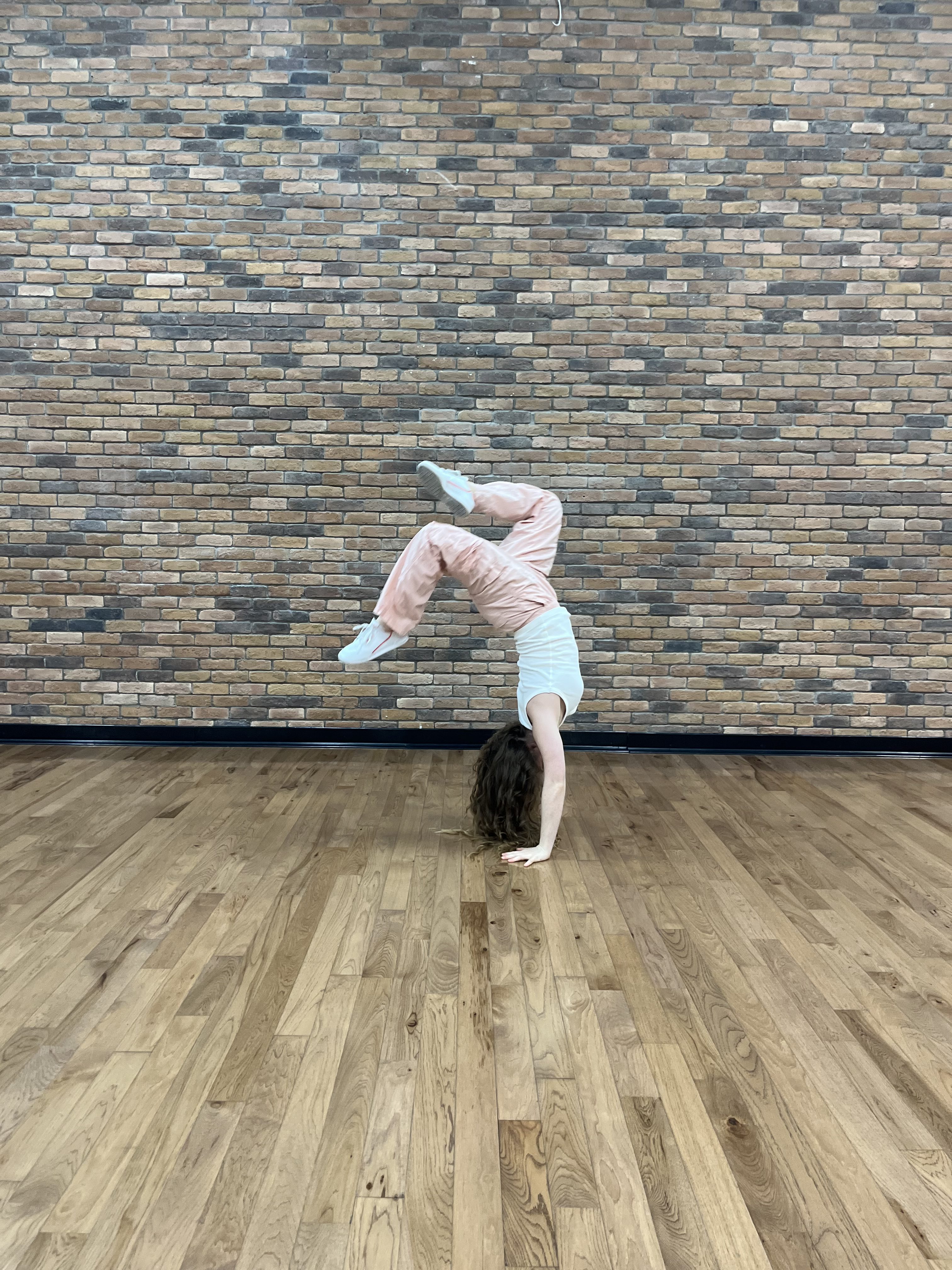
Scorpion freeze Jacklyn Dougherty
What Is This Dance Move Called?
The Scorpion Handstand Explained
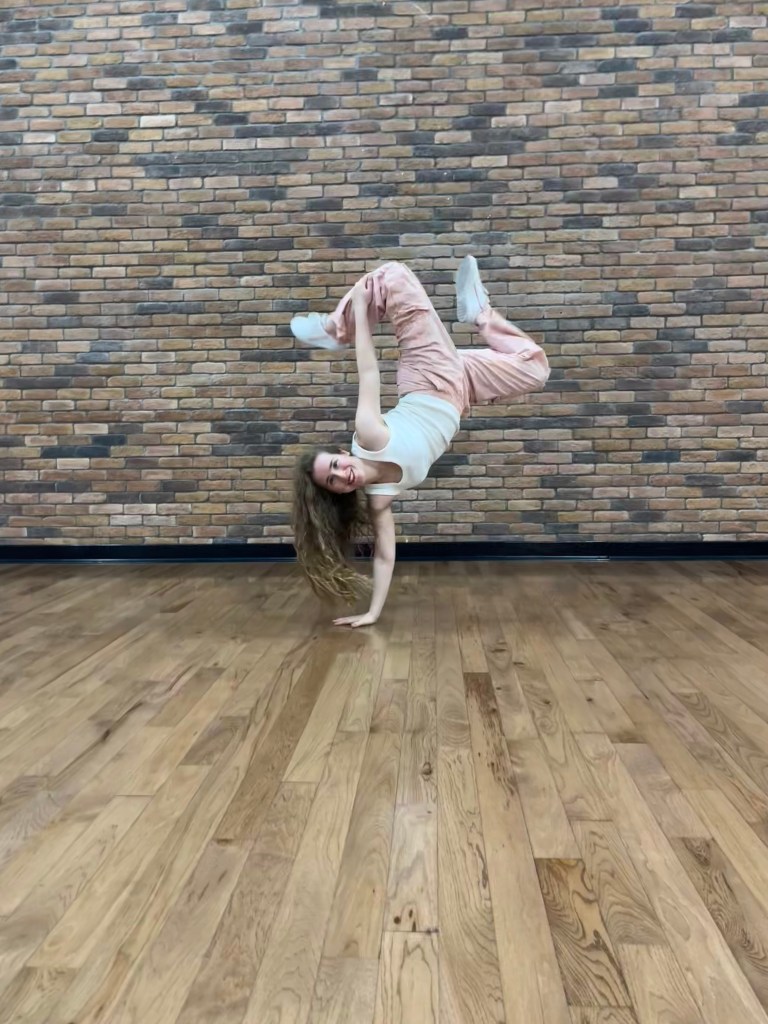
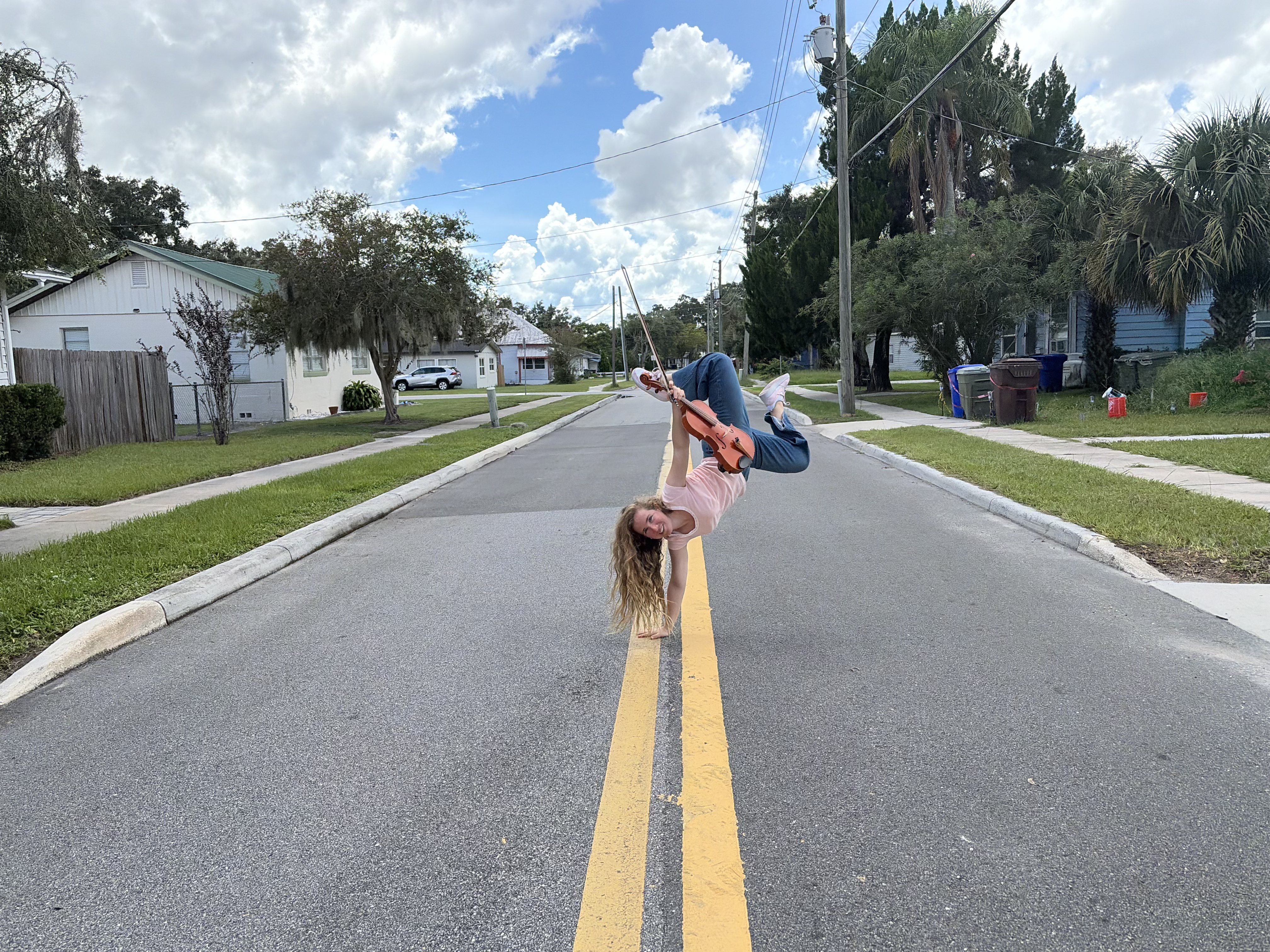
This striking inverted position is known as a scorpion handstand. It’s a move that instantly captures attention because it combines strength, flexibility, and control in a single shape. While it may look fluid and expressive, the scorpion handstand is technically demanding and requires a high level of body awareness.
What Is a Scorpion Handstand?
A scorpion handstand is a two-hand handstand variation where the dancer deeply arches the back and bends the legs forward toward the head, creating a curved, “tail-like” shape—similar to a scorpion poised to strike.
Key characteristics include:
- Both hands planted firmly on the floor
- A strong shoulder and upper-back arch
- Bent knees drawing the feet toward the head
- Controlled balance without head support
The defining feature is the deep spinal extension, which transforms a standard handstand into a sculptural, expressive pose.
Other Names You Might Hear
Depending on the style or community, this move may also be called:
- Scorpion (shortened dance term)
- Scorpion freeze (hip-hop and breaking)
- Back-arched handstand (descriptive term)
- Scorpion pose (related yoga variation, though often done on forearms)
While names may vary, the scorpion handstand remains recognizable by its dramatic curve and controlled inversion.
Style Contexts Where It Appears
Dance & Contemporary
In contemporary and fusion choreography, the scorpion handstand is used to express fluidity, openness, and vulnerability. The arched shape contrasts beautifully with sharp or grounded movement.
Hip-Hop & Breaking
In breaking, the scorpion handstand can function as a freeze, hitting a musical accent and showcasing flexibility alongside power.
Acrobatics & Gymnastics
In acro and gymnastics training, it’s considered a flexibility-driven handstand variation that strengthens the shoulders, spine, and core.
Yoga
The shape closely resembles Scorpion Pose (Vṛścikāsana), though yoga practitioners often perform it on forearms rather than hands.
Why Dancers Train This Move
Dancers work toward the scorpion handstand because it:
- Builds spinal and shoulder mobility
- Strengthens balance in inverted positions
- Develops control through extreme ranges of motion
- Adds dramatic visual impact to choreography
It also helps dancers become more comfortable transitioning between strength-based and flexibility-based movement.
Training Considerations
Because of the deep backbend involved, proper preparation is essential. Dancers typically train:
- Two-hand handstands with clean alignment
- Back and shoulder flexibility drills
- Core engagement to protect the lower back
- Gradual arch development rather than forcing the shape
Warm-ups and mindful progression are key to preventing injury.
Final Thoughts
The scorpion handstand is a powerful example of how dance blends athleticism with artistry. It’s bold, expressive, and technically challenging—making it a favorite for performers who want to push their physical boundaries while creating a memorable visual moment.
Whether used as a freeze, a transition, or a featured pose, the scorpion handstand embodies strength, flexibility, and fearless movement.
Much Love
Jacklyn Dougherty