Developing Foundational Principles
1) Principles of Classical Ballet
The principles of classical ballet form the backbone of all dance training. These principles include alignment, balance, turnout, posture, and coordination. Understanding these fundamentals allows students to execute movements safely and gracefully.
Beginners who learn classical ballet principles develop discipline, focus, and awareness of body mechanics. These principles guide every step, from basic pliés to complex combinations, ensuring students build strong technique from the start.
Teachers emphasize classical ballet principles to create consistent, precise movement patterns. Incorporating these fundamentals into daily practice fosters long-term skill development, confidence, and an appreciation for ballet as an art form.
2) Classical Ballet Positions
Classical ballet positions are the foundation for all movements. The five basic foot positions—first through fifth—establish proper alignment, turnout, and stability. Arm positions complement the feet, promoting coordination and elegance.
Learning positions helps beginners understand balance and center control. Teachers demonstrate each position slowly, ensuring students can replicate alignment and posture accurately. Repetition solidifies muscle memory for future combinations.
Mastery of ballet positions also improves performance quality. Students develop grace, precision, and confidence when executing steps, and positions serve as a visual guide for teachers to correct technique and prevent injury.
3) Foundation of the Barre
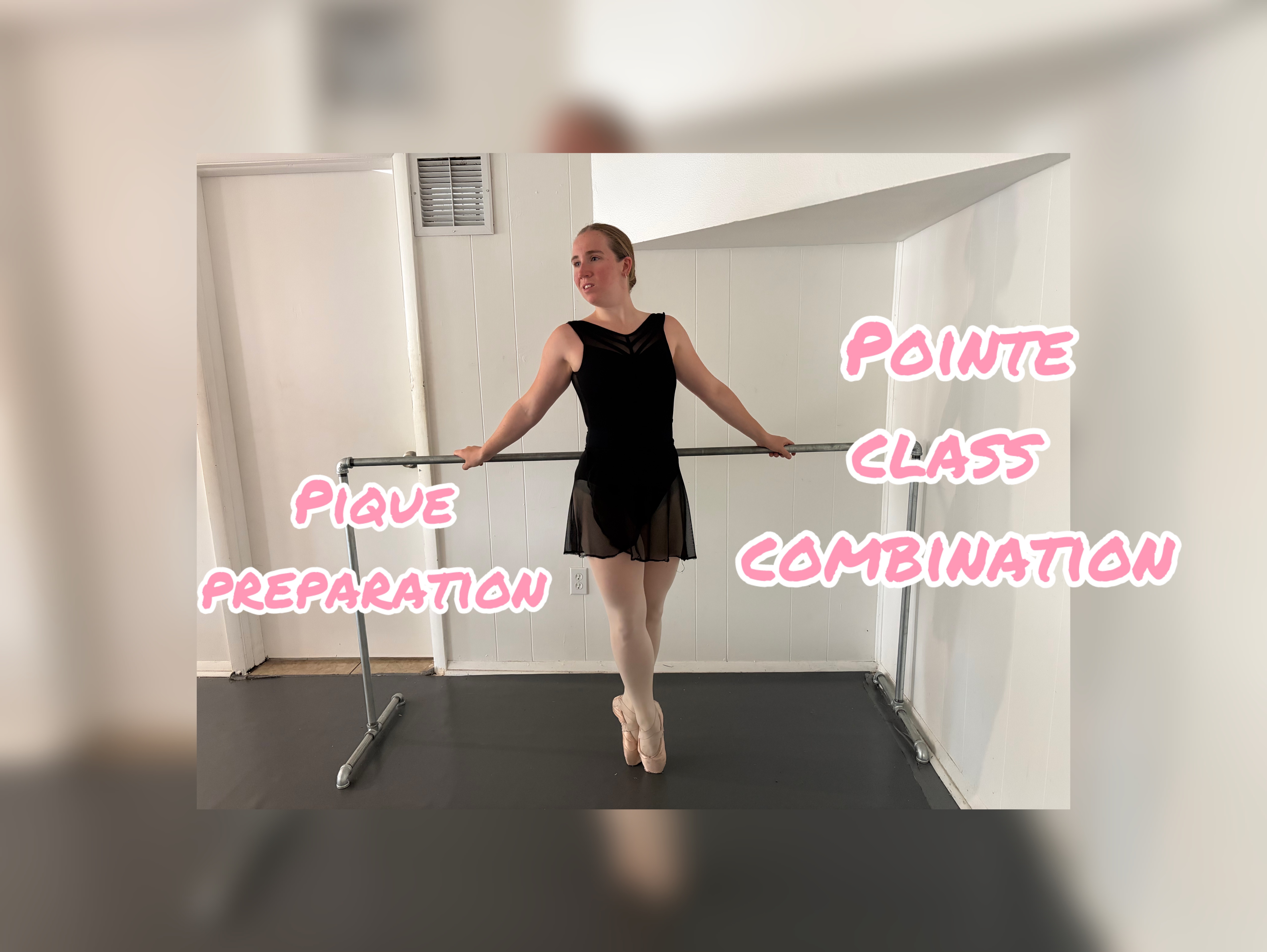
The barre is an essential tool in classical ballet training. It provides support for beginners as they learn alignment, strength, and coordination. Barre exercises prepare the body for more complex center work.
Exercises like pliés, tendus, and dégagés build leg strength, turnout, and foot articulation. Consistent barre practice develops balance, control, and fluidity, forming a solid foundation for advanced movements.
Teachers use the barre to teach proper technique safely. Instructors emphasize posture, alignment, and musicality, ensuring students develop strong habits that translate directly into center work and performance.
4) Foundations in the Center
Center work challenges students to perform movements without the support of the barre. It builds balance, spatial awareness, and coordination. Beginners transition from barre exercises to the center gradually to ensure proper technique.
Center foundations include steps like adagio, pirouettes, and small jumps. These exercises enhance core strength, control, and timing, while helping students develop confidence performing independently.
Teachers guide students through center work with careful observation. Feedback focuses on alignment, balance, and precision, reinforcing the principles learned at the barre and creating a strong technical base for all ballet movements.
5) Principles and Rules in the Center
Principles in the center build upon foundational barre work. Proper posture, turnout, core engagement, and coordination are essential for safe and elegant movements. Students must maintain focus and control while executing steps.
Rules in the center include maintaining alignment, avoiding overextension, and practicing spatial awareness. Teachers reinforce these rules consistently to ensure safe progression and prevent injuries in more advanced combinations.
By applying classical ballet principles and rules in the center, students develop precision, grace, and artistry. These core skills provide the foundation for performance quality and long-term growth in ballet.
6) Summary
Developing foundational principles in ballet ensures students build strength, balance, and technique. Classical ballet principles, positions, and barre exercises create a strong base for center work and performance.
Applying principles and rules consistently in the center reinforces alignment, control, and artistry. Students gain confidence and mastery of fundamental movements, setting the stage for advanced training.
Teachers who emphasize classical foundations cultivate disciplined, skilled, and expressive dancers. For more resources on teaching classical ballet and foundational techniques, visit Jacklyn Dougherty.
Much Love