Preparing to Teach Beginning Ballet Classes
To learn ballet please visit Jacklyn Dougherty main page.
1) The Art of Teaching Ballet
Teaching ballet is both an art and a science. It requires patience, creativity, and deep knowledge of classical technique. A ballet teacher must inspire students while guiding them through precise movements and postures, creating an environment where learning is both structured and enjoyable.
The art of teaching ballet also involves reading students’ needs. Each beginner may progress at a different pace, so teachers must adapt instruction to accommodate varying skill levels. Encouragement and constructive feedback help build confidence and foster a love for dance.
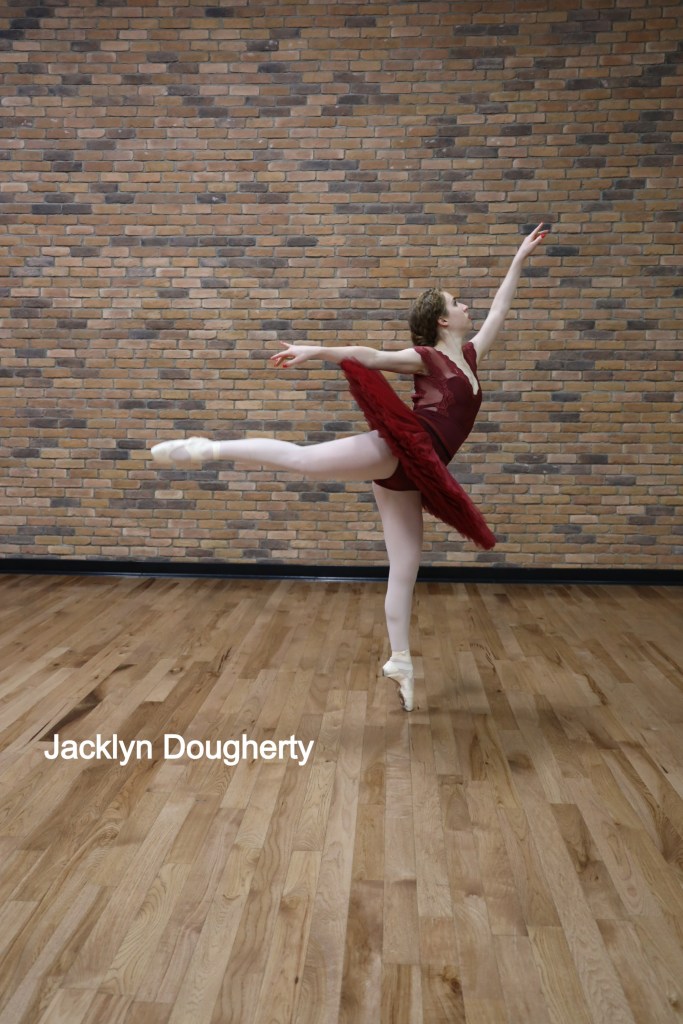
Additionally, teaching ballet is about modeling excellence. Teachers demonstrate proper alignment, graceful movement, and musicality, setting the standard for students. By embodying the art, teachers inspire students to perform with precision, elegance, and expression.
2) Benefits of Studying Ballet
Studying ballet provides physical, mental, and emotional benefits for beginners. Ballet develops strength, flexibility, and balance, while also improving posture and coordination. Students learn to move with grace and control, enhancing overall physical awareness.
Mentally, ballet encourages discipline and focus. Students practice routines repeatedly, which strengthens memory, concentration, and attention to detail. Learning sequences also develops pattern recognition and problem-solving skills that extend beyond the dance studio.
Emotionally, ballet fosters creativity and self-expression. Beginning students gain confidence as they master new movements, and the collaborative environment promotes social skills, teamwork, and a sense of accomplishment. The holistic benefits make ballet an ideal activity for all ages.
3) Format of the Ballet Class
A structured ballet class typically follows a consistent format. Classes often begin with a warm-up to prepare the body for movement, followed by barre exercises to develop strength, technique, and alignment. Center work and combinations then allow students to apply these skills in space.
The class format also includes progressions appropriate for beginners. Teachers introduce simple movements first, gradually combining steps into sequences. Structured timing ensures that students practice technique, rhythm, and performance skills during each session.
Flexibility in the format is important. Teachers may adjust exercises to meet class needs, ensuring students remain engaged while covering essential technical elements. A well-planned class format promotes efficiency, consistency, and learning success.
4) Teaching Strategies for the Beginning Ballet Class
Effective teaching strategies involve clear instruction, demonstration, and repetition. Beginners benefit from step-by-step guidance, visual modeling, and repeated practice to build confidence and muscle memory.
Positive reinforcement is key. Encouragement motivates students to try challenging movements, while constructive corrections ensure safe and proper execution. Using age-appropriate language and pacing lessons carefully helps students stay focused.
Interactive strategies also enhance learning. Teachers can incorporate games, partner work, or music-based activities to keep beginners engaged while reinforcing basic ballet concepts. This approach balances discipline with creativity.
5) Presentational Methods
Presentational methods in ballet teaching help students grasp technique visually and conceptually. Demonstrating movements slowly and breaking them into manageable parts allows beginners to mimic and understand each step.
Incorporating multimedia, such as videos or slides, can reinforce key concepts. Visual examples of professional dancers or previous student performances inspire learners and provide concrete models of proper form.
Teachers should also use verbal descriptions alongside demonstrations. Clear, descriptive language paired with motion helps students connect visual and cognitive learning, ensuring movements are internalized effectively.
6) Using Cues Effectively
Cues are essential tools for guiding beginning ballet students. Verbal cues like “lengthen your spine” or “point your toes” provide clear, concise instructions that students can immediately act upon.
Non-verbal cues, such as gestures, eye contact, or physical demonstration, reinforce verbal instructions and help maintain student attention. Combining multiple cue types addresses different learning styles within the class.
Effective cueing also includes timing and repetition. Repeating cues consistently ensures students understand expectations and can respond correctly, building muscle memory and reinforcing proper technique.
7) Providing a Variety of Images
Using a variety of visual images supports learning in beginning ballet classes. Images of body positions, alignment, and movement pathways help students conceptualize proper technique.
Visual aids can include posters, diagrams, or projected images of dancers performing specific movements. These references help beginners visualize goals, especially for complex steps or sequences.
Teachers can also encourage students to create mental images during practice. Visualizing movements in their minds enhances focus, memory, and overall comprehension of ballet technique.
8) Building a Visual Memory
Visual memory plays a crucial role in learning ballet. Students remember sequences more effectively when they can recall images of movements, positions, and spatial patterns.
Repetition of exercises paired with observation strengthens visual memory. Teachers can use mirrors and demonstrations to reinforce correct placement and transitions, helping students internalize movements.
Developing visual memory also supports choreography retention. Beginners who can visualize steps are more confident performing combinations, enabling smoother execution and improved performance quality.
9) Teaching and the Learning Process
Teaching ballet requires understanding the learning process. Beginners learn best through repetition, feedback, and gradual progression from simple to complex movements.
Assessment and reflection are important. Teachers observe students, provide corrections, and adjust instruction to meet evolving needs. This ongoing cycle ensures that learners stay challenged while mastering foundational skills.
The learning process in ballet is holistic. Cognitive, physical, and emotional elements work together, and effective teaching integrates these components, fostering technical proficiency, confidence, and artistic expression.
10) Summary
Preparing to teach beginning ballet classes involves planning, creativity, and a deep understanding of both technique and pedagogy. Teachers must combine structured formats, effective cues, and visual aids to maximize learning.
By focusing on the art of teaching, understanding student benefits, and applying proven strategies, instructors create engaging and effective beginner classes. Visual memory, repetition, and positive reinforcement are critical to student success.
For more resources and guidance on teaching ballet, including detailed lesson plans and strategies, visit Jacklyn Dougherty.
Much Love Jacklyn Dougherty and Dr. Joni Dougherty Ed.D