Violin
G String
Where is G Note in First Position on Violin
Where is A Note in First Position on Violin
Where is B Note in First Position on Violin
Where is C Note in First Position on Violin
Where is D Note in First Position on Violin
D String
Where is D Note in First Position on Violin
Where is E Note in First Position on Violin
Where is F Note in First Position on Violin
Where is G Note in First Position on Violin
Where is A Note in First Position on Violin
A String
Where is A Note in First Position on Violin
Where is B Note in First Position on Violin
Where is C Note in First Position on Violin
Where is D Note in First Position on Violin
Where is E Note in First Position on Violin
E String
Where is E Note in First Position on Violin
Where is F Note in First Position on Violin
Where is G Note in First Position on Violin
Where is A Note in First Position on Violin
Where is B Note in First Position on Violin
Learning All Notes in First Position on the Violin
Photo & Video Guide with Jacklyn Dougherty
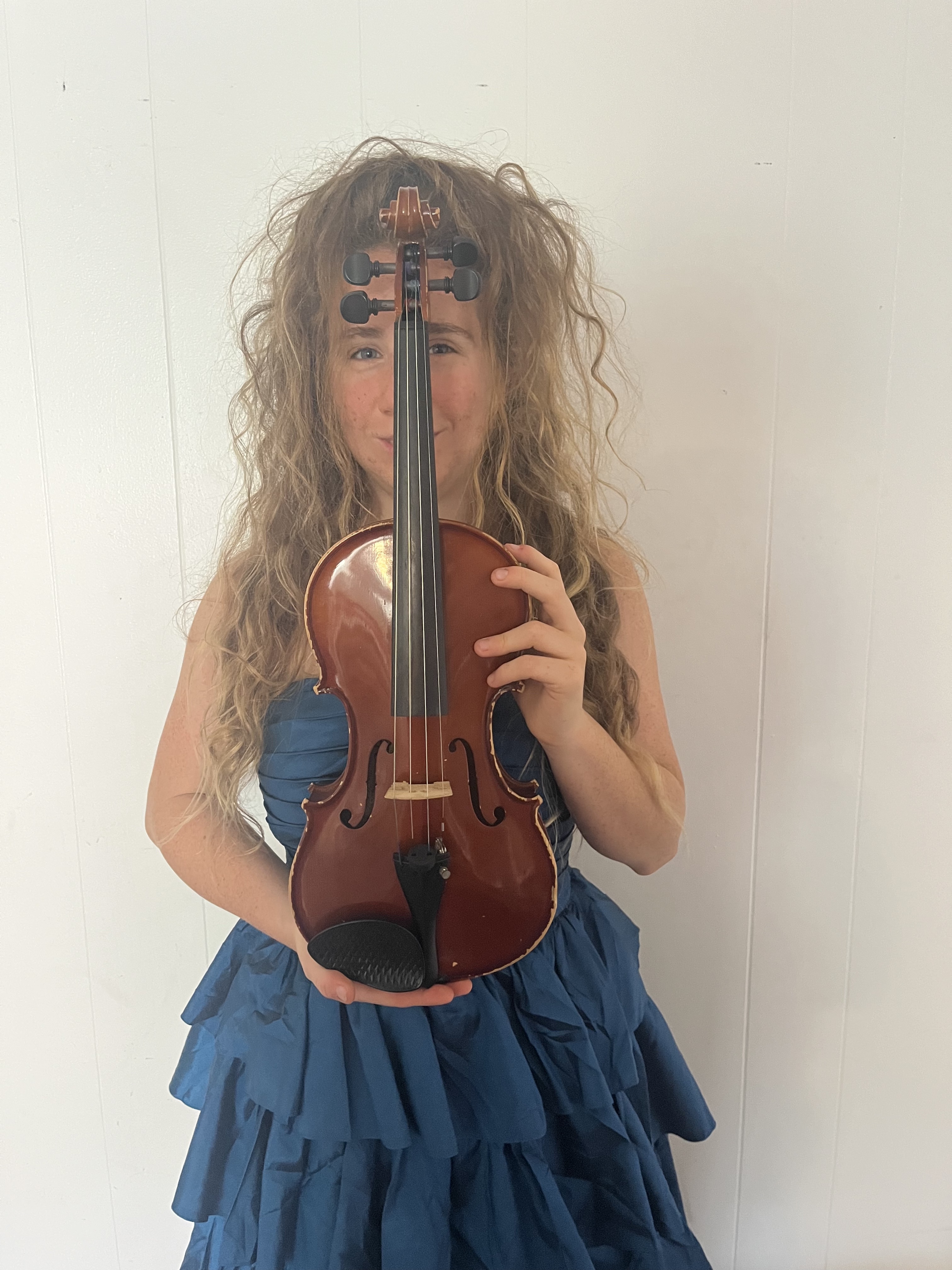
Learning first position on the violin is one of the most important steps for every beginner. It’s where all violinists start building their technique, confidence, and accuracy. In this guide, you’ll find simple explanations, photos, and videos you can add to make learning clear for all ages. With Jacklyn Dougherty’s step-by-step teaching, students can quickly master every note on every string.
What Is First Position?
First position is the starting hand placement on the violin where your fingers stay closest to the scroll. In this position, each finger plays one specific set of notes on each string. Because so much beginner music is written in first position, learning these notes sets you up for success and makes reading sheet music easier.
Notes on Each String in First Position
Below is a breakdown you can match with your photos and videos:
G String (Lowest String)
- G – Open string
- A – 1st finger
- B – 2nd finger
- C – 3rd finger
- D – 4th finger
This string teaches students to keep fingers curved and relaxed as they reach for that beautiful 4th-finger D.
D String
- D – Open string
- E – 1st finger
- F♯ – 2nd finger
- G – 3rd finger
- A – 4th finger
This string is often the easiest for beginners, making it great for early scales and simple melodies.
A String
- A – Open string
- B – 1st finger
- C♯ – 2nd finger
- D – 3rd finger
- E – 4th finger
A-string notes appear frequently in early pieces and help build strong intonation habits.
E String (Highest String)
- E – Open string
- F♯ – 1st finger
- G♯ – 2nd finger
- A – 3rd finger
- B – 4th finger
These notes help students practice light bow control and a gentle left-hand touch.
Using Photos and Videos to Teach First Position
Your page can guide students of all ages by pairing each note with:
- A photo showing correct finger placement
- A video demonstration by Jacklyn Dougherty
- A short description of the sound and pitch
- Practice tips like finger taps, slow bows, and finger patterns
These visuals make it easier for beginners to memorize the finger layout, understand intonation, and build good technique from the start.
Why First Position Matters
First position is the foundation for:
- Reading violin music
- Playing scales and pieces
- Developing finger strength
- Learning correct posture and hand shape
- Preparing for second, third, and higher positions
When students feel comfortable here, they can explore the whole fingerboard with confidence.
Learn First Position with Jacklyn Dougherty
Jacklyn Dougherty’s teaching style makes each note simple, clear, and enjoyable. Through her videos and demonstrations, students learn proper placement, bow control, and ear training. Adding her photos and clips to your blog helps learners stay motivated and excited to practice.
Click the links above to find the answers to all your violin questions on Jacklyn Dougherty
Much Love
Jacklyn Dougherty