Tuck Handstand
Jacklyn Dougherty
How to Do a Tuck Handstand (and Why It’s a Game-Changer)
If you’re working toward a full handstand, the tuck handstand is one of the most valuable skills you can learn along the way. It builds strength, balance, and body awareness without requiring the flexibility or confidence of a straight handstand. Whether you’re training for gymnastics, yoga, dance, or just personal fitness, this variation helps you develop control upside down.
What Is a Tuck Handstand?
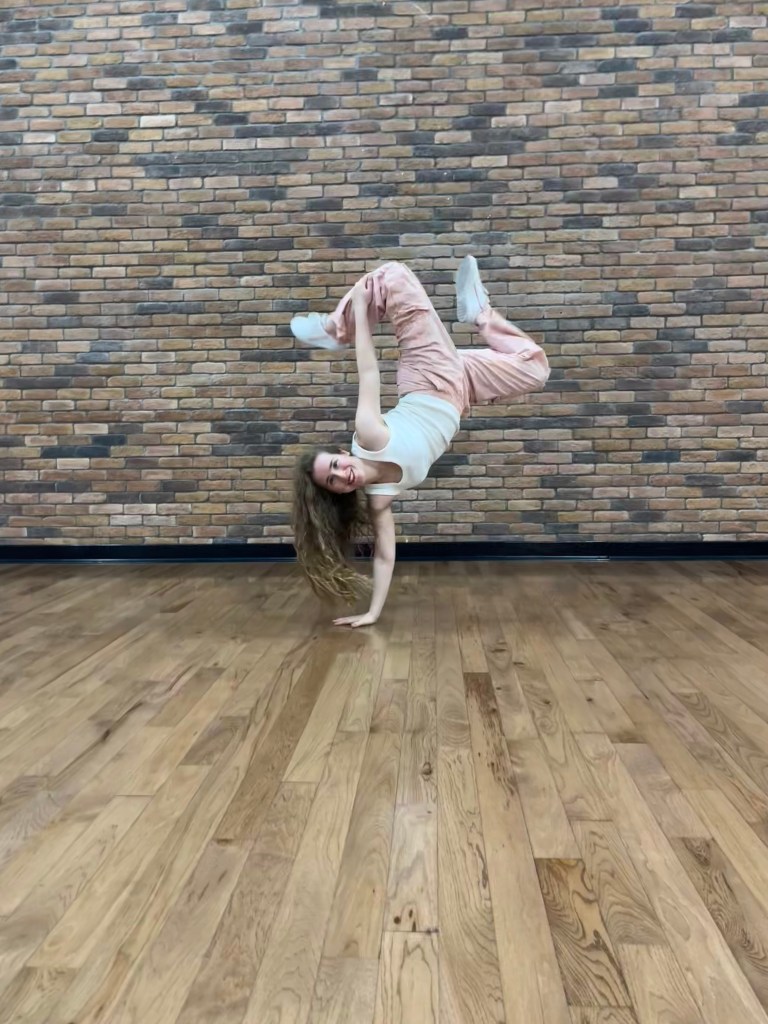
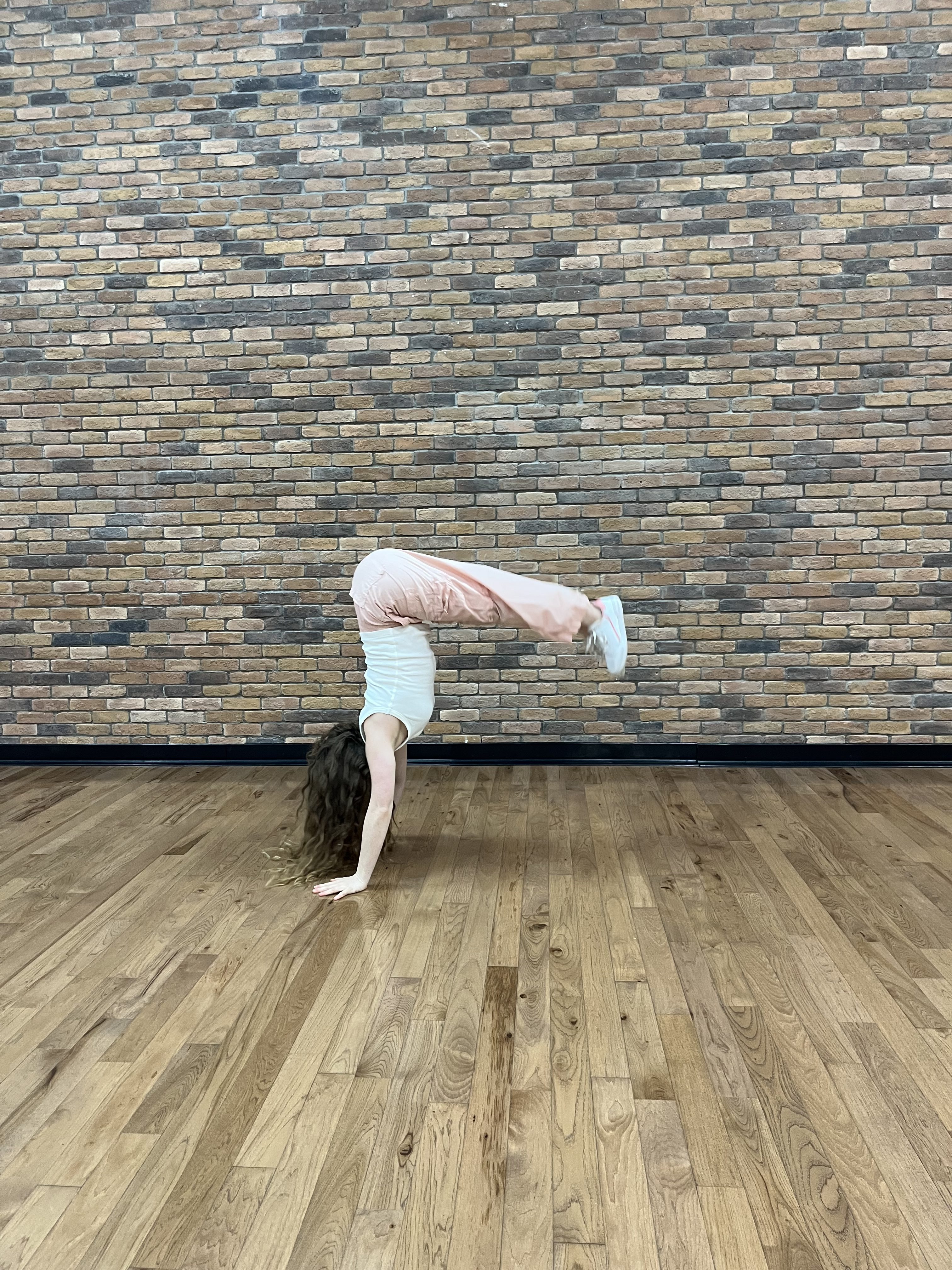
A tuck handstand is a handstand variation where your knees are pulled tightly into your chest while you balance on your hands. Your arms stay straight, your shoulders are stacked over your wrists, and your core stays fully engaged. Because your center of gravity is lower than in a straight handstand, it’s easier to balance and correct.
Why Practice a Tuck Handstand?
The tuck handstand is more than a beginner move—it’s a foundation skill.
Benefits include:
- Stronger shoulders and arms
- Improved core control
- Better balance and proprioception
- Safer progress toward freestanding handstands
- Easier transitions into presses and shapes
Many advanced handstand skills actually pass through a tuck position, so mastering it early pays off later.
How to Do a Tuck Handstand
Follow these steps to safely and effectively get upside down:
- Start in a low squat with your feet flat on the floor.
- Place your hands shoulder-width apart, fingers spread wide.
- Lean forward, shifting your shoulders past your wrists.
- Press firmly through your palms and lift your feet off the floor.
- Pull your knees tightly toward your chest, rounding your back slightly.
- Keep your arms straight and push tall through your shoulders.
- Hold the balance, breathing steadily.
Form Tips for Better Balance
- Lock your elbows—bent arms make balancing harder
- Keep your core engaged as if you’re holding a hollow body
- Look slightly forward, not straight down
- Keep knees close to your chest to stay compact
- Point your toes for cleaner lines (optional but recommended)
Common Mistakes to Avoid
- Letting elbows bend
- Dropping into your shoulders instead of pushing up
- Arching your back
- Letting knees drift away from the chest
- Kicking up too hard instead of leaning and pressing
Beginner Modifications
If you’re just starting out, try these progressions:
- Practice near a wall for confidence
- Hold a frog stand to build arm strength
- Use yoga blocks under your feet to learn weight transfer
- Practice short holds (3–5 seconds) and gradually increase time
Final Thoughts
The tuck handstand teaches patience, control, and body awareness—skills that transfer into every handstand variation. Don’t rush it. The stronger and more stable your tuck becomes, the easier your straight handstand will feel when you get there.
Consistency matters more than height. Show up, lean forward, press down, and trust the process.
Much Love
Jacklyn Dougherty