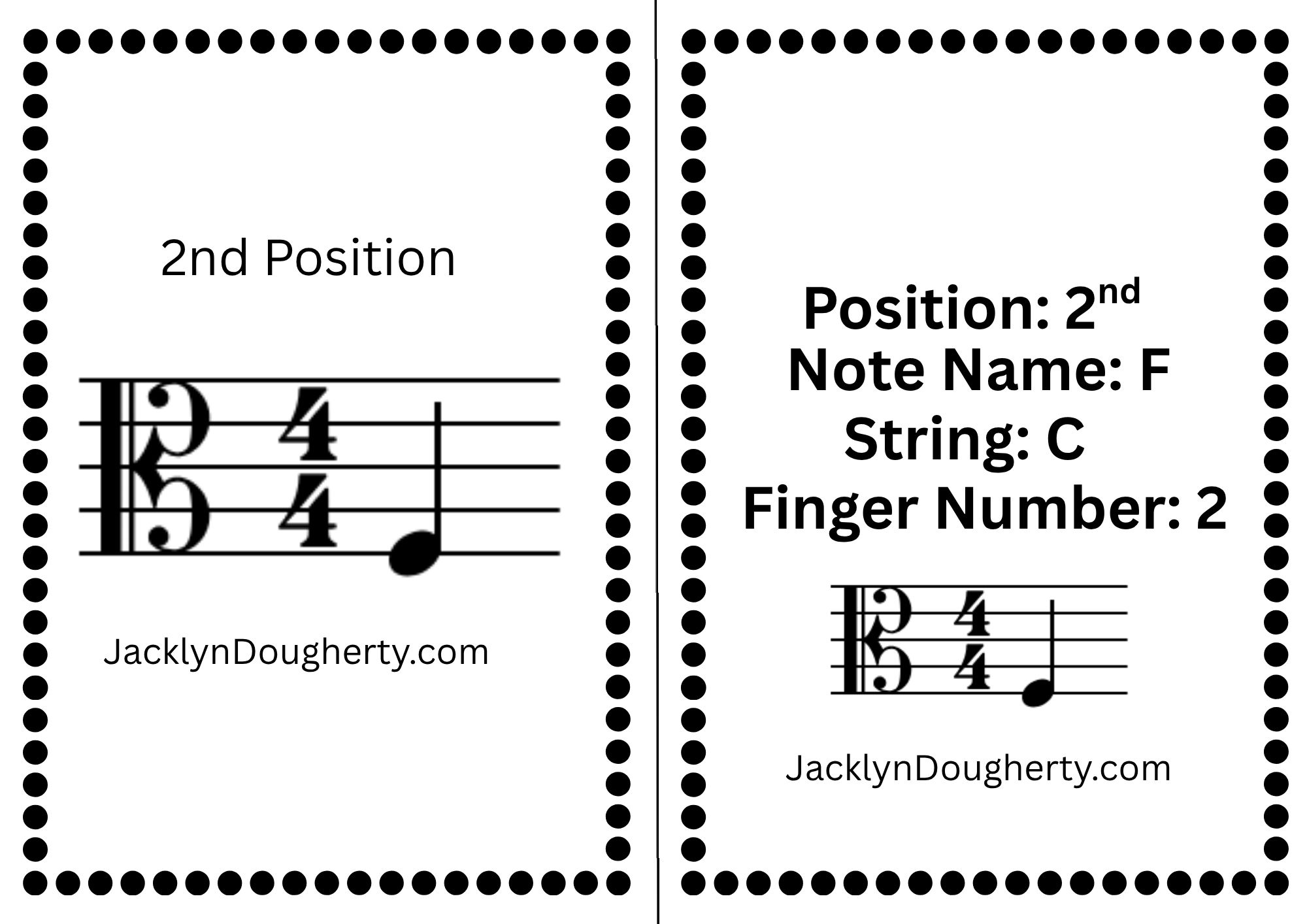
Where Is F Note in First Position on the Violin? (E-1, 1st Finger on the E String)
Learning the notes in first position is one of the most important early steps for every violin student, whether you’re just beginning, returning after a break, or teaching young learners. One of the foundational notes on the violin is the F natural on the E string, labeled as E-1, meaning the 1st finger placed on the E string. This single note helps develop accurate finger placement, strengthens intonation, and forms the basis for many simple melodies. In this blog, we’ll explore exactly where the F note is located, how to place the finger correctly, why it matters, and how Jacklyn Dougherty teaches it in a clear and encouraging way.
Understanding the E String and First Position
The violin has four strings: G, D, A, and E, with E being the highest in pitch. When played open—without any fingers—it produces the note E. In first position, the left-hand fingers stay close to the nut, and each finger creates the next pitch in a sequence.
To find F on the E string, we place the 1st finger (index finger) on the E string. This raises the pitch from E to F natural, only a half step higher. Because F natural is so close to the open E string, students often need extra guidance with finger spacing to make sure the note is in tune. This is why teachers like Jacklyn Dougherty emphasize slow, careful practice and ear training.
Correct Finger Placement for F Natural
The key to getting a clear, in-tune F natural is proper finger placement. Start with your hand relaxed, wrist straight, and fingers curved naturally over the fingerboard. Slide your 1st finger onto the E string just above the nut—close enough to create a half-step but not so close that it mutes or flattens the note. Beginners often benefit from using finger tapes or visual markers at first, gradually developing muscle memory through repetition.
When you press your finger down, aim for the center of the fingertip. Keep the knuckles lifted and avoid collapsing the finger joint, which can cause squeaky or weak tone. Jacklyn Dougherty encourages students to check their sound by comparing the F with familiar patterns, such as the first notes of simple tunes, helping to reinforce pitch recognition.
Why Learning F Natural Matters
The F natural on the E string may seem like a small detail, but it plays a significant role in early violin study. This note appears frequently in beginner music, scale patterns, and simple songs. It also helps train the ear to hear half steps, one of the most important skills for intonation.
Mastering this note early builds good habits and confidence. When students understand exactly where F natural is and how it feels under the finger, it becomes easier to progress to more complex melodies, scales, and techniques. Jacklyn Dougherty often demonstrates these steps in her violin videos, making it approachable for all ages to follow along.
Practice Tips for a Strong, In-Tune F
To build accuracy and consistency, try practicing these simple exercises:
- Play open E, then F natural, back and forth to hear the half-step difference.
- Hold the note and listen for a clear, ringing sound.
- Practice slowly with a tuner to reinforce correct placement.
- Use small repetitions each day to strengthen your finger’s muscle memory.
These habits help students develop the confidence needed to play smoothly and beautifully.
Much Love
Jacklyn Dougherty and Dr. Joni Dougherty Ed.D