Where is D Note in First Position on the Violin?
D is played on the A string with your 3rd finger in first position. Place your 3rd finger just above where your 2nd finger sits, creating a whole step between 2 and 3. This note is part of the D major scale and is an important pitch for beginners to learn.
Jacklyn Dougherty #violin
Where Is D Note in First Position on the Violin? A Beginner’s Guide
A-3 (3rd Finger on the A String)
By Jacklyn Dougherty
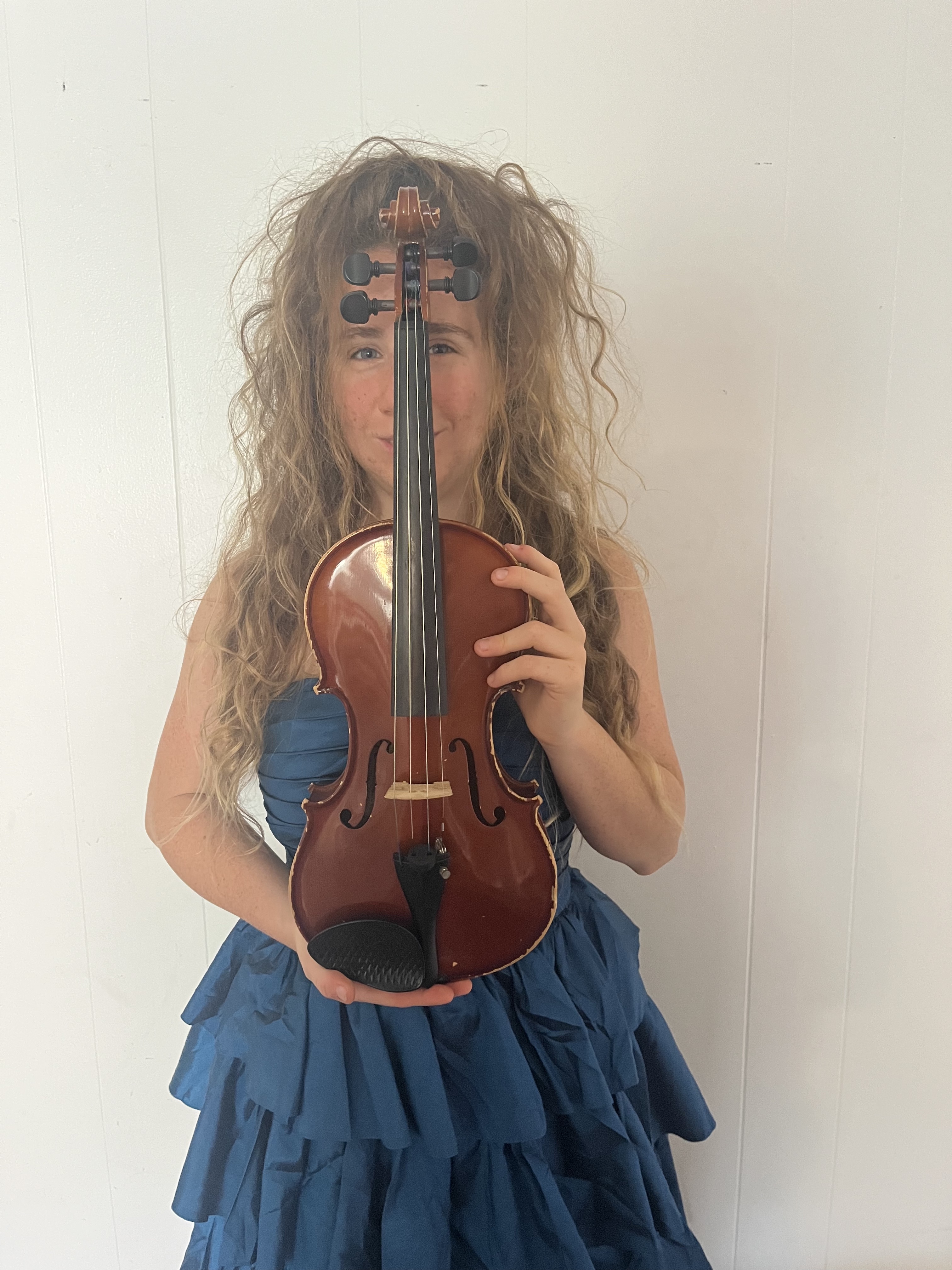
Learning the violin is an exciting journey filled with new sounds, new skills, and lots of discovery. One of the very first steps for any beginner is understanding where notes are located on the fingerboard in first position. Today, we’re focusing on one of the most important notes you’ll play early on: the D note on the A string, also known as A-3, because you place your 3rd finger on the A string to produce it.
Whether you’re a young beginner, an adult learner, or a parent helping a child practice at home, this guide will walk you through exactly where to find the D note, how to set your hand up correctly, and why this note matters in early violin playing.
Understanding First Position on the Violin
Most beginners start learning the violin in first position, the foundational hand placement from which all other positions build. In first position, your fingers stay close to the top end of the fingerboard near the nut. Each finger is assigned a specific spot that creates predictable musical intervals.
On the violin strings, the notes progress in steps, and the fingers form either half steps (close together) or whole steps (with a small space between them). Understanding these relationships helps you place your fingers accurately and develop good intonation from the beginning.
Finding the D Note: A-3
To play the D note on the A string, follow these steps:
1. Start With the Open A String
Your starting pitch is the open A string, the second highest string on the violin. Make sure your bow is placed halfway between the bridge and fingerboard for a clear tone.
2. Place Your 1st and 2nd Fingers
Before putting down your 3rd finger, you should already have good muscle memory for the 1st and 2nd fingers.
- 1st finger (B)
- 2nd finger (C♯)
These are whole steps apart, and your hand should feel relaxed and rounded.
3. Add Your 3rd Finger for the D Note
Now place your 3rd finger down on the A string. This finger lands just a little higher than the 2nd finger, with a full whole step between fingers 2 and 3. When placed correctly, the pitch you play will be D.
A great way to check your intonation is to compare this D with the open D string. Both notes should sound exactly the same. If they don’t match, slide your 3rd finger slightly until the pitches align.
Why the D Note Matters
The D note appears in many beginner pieces, scales, and exercises. It is part of:
- The D major scale
- Simple songs like “Twinkle, Twinkle Little Star”
- Many early Suzuki pieces
- Essential music theory building blocks
Mastering this note gives you confidence as you play melodies that move between strings and develop proper left-hand shape.
Tips for Better Intonation
1. Keep Your Fingers Curved
A rounded hand shape helps each finger land accurately on the string.
2. Drop Your Fingers From Above
Avoid sliding your finger forward along the string. Instead, lift and place your 3rd finger from above for cleaner intonation.
3. Listen for the Perfect Match
Play your fingered D and the open D string back-to-back. Your ear is your best tool for learning placement.
4. Mark Your Fingerboard if Needed
Beginners—especially young students—benefit from fingerboard tapes to guide placement until the notes become natural.
Build Confidence One Note at a Time
Finding the D note in first position on the violin is a small step that leads to big progress. As you continue to practice, your hand will grow more comfortable, your ear will become more accurate, and your musical confidence will bloom. Keep practicing slowly, listen carefully, and enjoy the process of learning each new note.
Thanks Jacklyn Dougherty and Dr. Joni Dougherty Ed.D