Tripod Headstand: Strength, Balance, and Creative Inversion
The Tripod Headstand is one of the most accessible yet expressive inversions in movement practice. Found in yoga, dance, gymnastics, and break culture, this pose blends upper-body strength, balance, and playfulness into a compact, powerful shape.
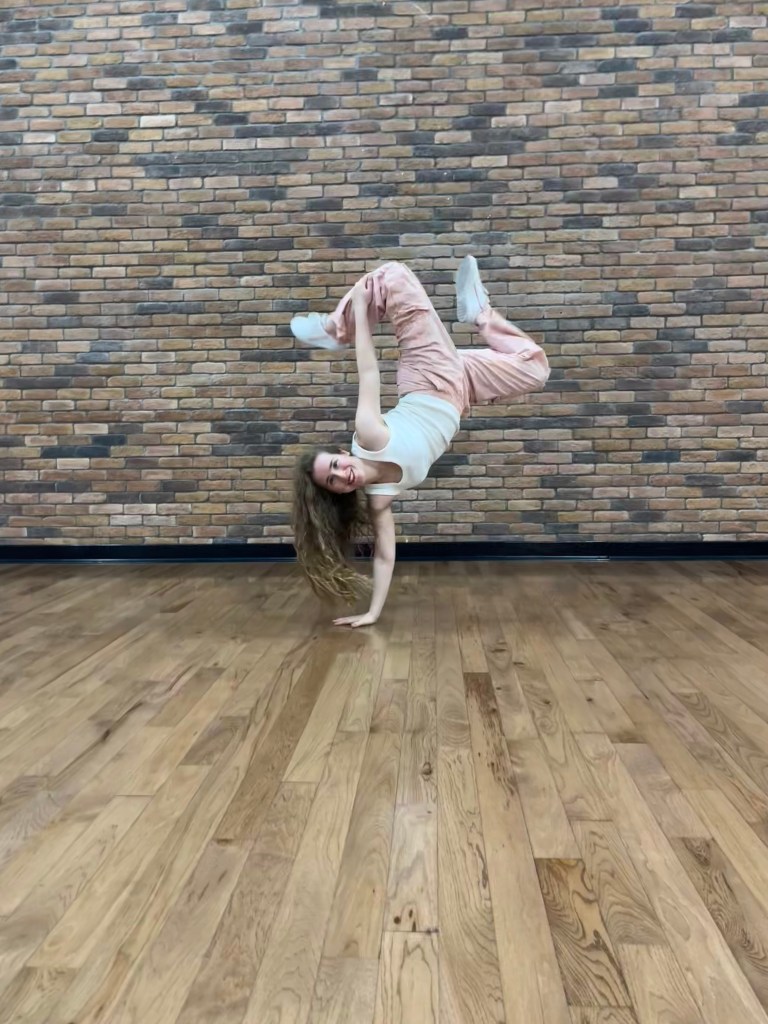
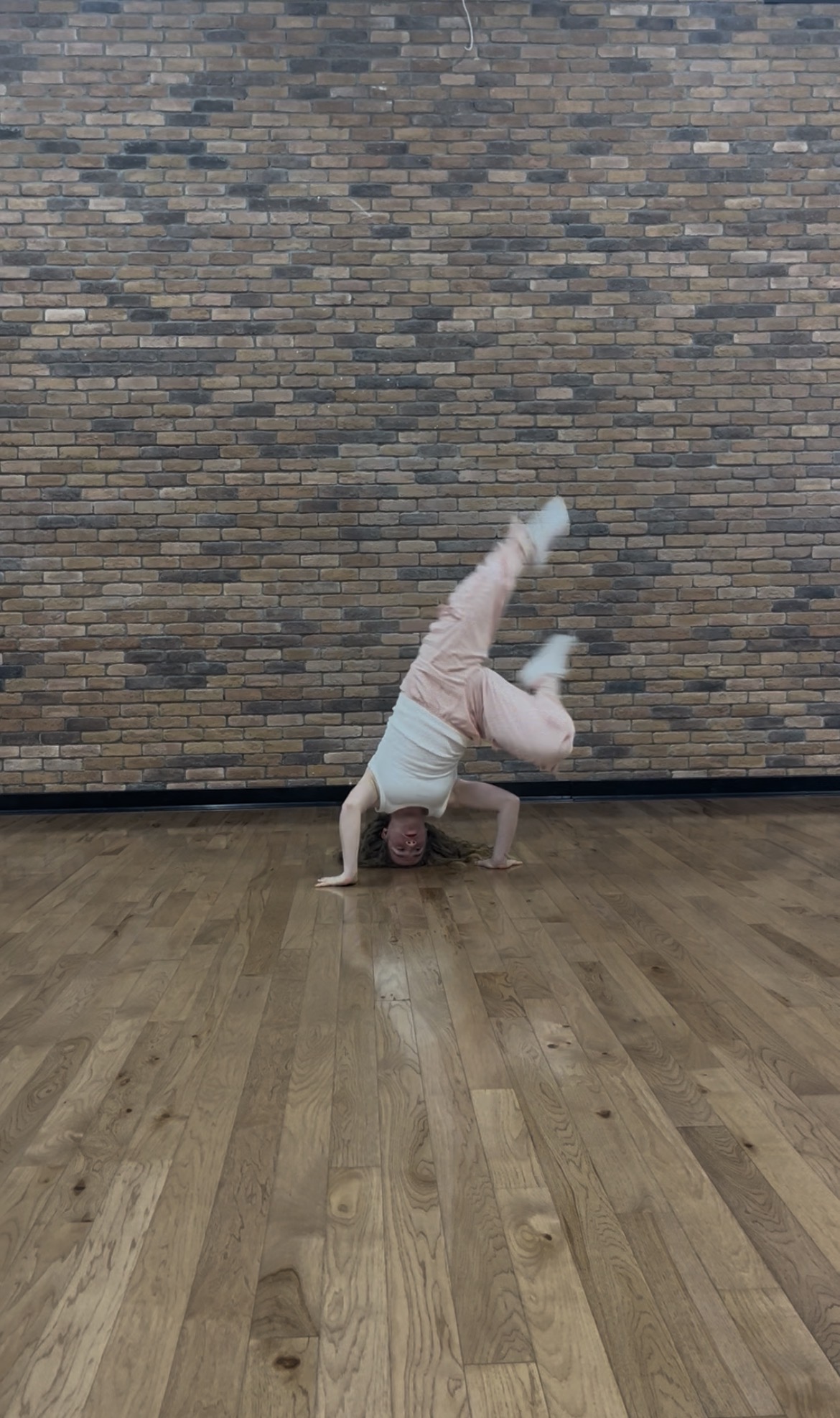
In the image above, the body is inverted with the crown of the head on the floor and both hands planted, creating a stable three-point base. The legs are free to bend, kick, or transition—turning a foundational inversion into a dynamic movement.
What Is a Tripod Headstand?
A Tripod Headstand (called Sirsasana II in yoga) is an inversion where:
- The head rests lightly on the ground
- The hands are placed shoulder-width apart
- The elbows bend, supporting much of the body weight
- The hips stack over the shoulders
Unlike a traditional headstand, the arms play a much larger role, making the pose more stable and easier to control, especially for beginners exploring inversions.
Why the Tripod Headstand Is So Popular
1. Strong but Accessible
Because the arms and shoulders share the load, the tripod headstand requires less neck compression than a straight headstand. This makes it a favorite entry point into upside-down work.
2. Builds Upper-Body Power
The pose strengthens:
- Shoulders
- Triceps
- Upper back
- Core
It’s essentially a controlled, inverted push-up hold.
3. Encourages Creative Movement
Once balanced, the legs are free. They can:
- Bend and tuck
- Scissor or kick
- Transition into freezes, rolls, or handstands
That’s why this shape shows up so often in dance and floorwork.
Yoga, Dance, and Beyond
- Yoga: Used as a preparatory inversion or a playful alternative to traditional headstand.
- Dance & Break: Known as a headstand freeze, often styled with leg variations or momentum.
- Movement Training: A bridge between static holds and dynamic inversions.
It’s a shared language across disciplines.
How to Practice Safely
- Place weight primarily through the hands, not the neck
- Keep the neck long, avoiding collapsing into the head
- Engage the core before lifting the legs
- Practice on a padded or non-slip surface
If there’s neck pain or pressure, come out immediately.
Progressions and Variations
Once comfortable, you can explore:
- Bent-leg or stag shapes
- Slow leg lifts and lowers
- Tripod → forearm stand transitions
- Freeze-style holds and controlled kicks
Each variation builds strength, balance, and body awareness.
Final Thoughts
The Tripod Headstand is more than an inversion—it’s a foundation for expression. Strong enough to build power, stable enough to explore safely, and open enough to invite creativity, it sits perfectly at the crossroads of control and freedom.
Whether you approach it from yoga, dance, or movement training, this pose teaches one essential skill: how to stay calm and curious while upside down.

Most common names
- Tripod Headstand (Yoga: Sirsasana II)
Head on the floor with both hands planted, forming a triangle. The arms take a lot of the load, which makes it more stable than a straight headstand. - Headstand Freeze (Breakdance / Movement)
In street dance, this position—especially with bent or scissoring legs like in your photo—is considered a freeze, often a transition into or out of power moves.
What gives it away in your photo
- Crown of the head on the floor
- Hands down, elbows bent (tripod base)
- Hips stacked over shoulders
- Legs bent and moving rather than straight up
That combo = tripod headstand, not a neck bridge or forearm stand.
Why it’s popular
- Safer entry into inversions than a free headstand
- Builds shoulder, core, and neck awareness
- Easy to style with leg shapes, kicks, or transitions
Much Love
Jacklyn Dougherty