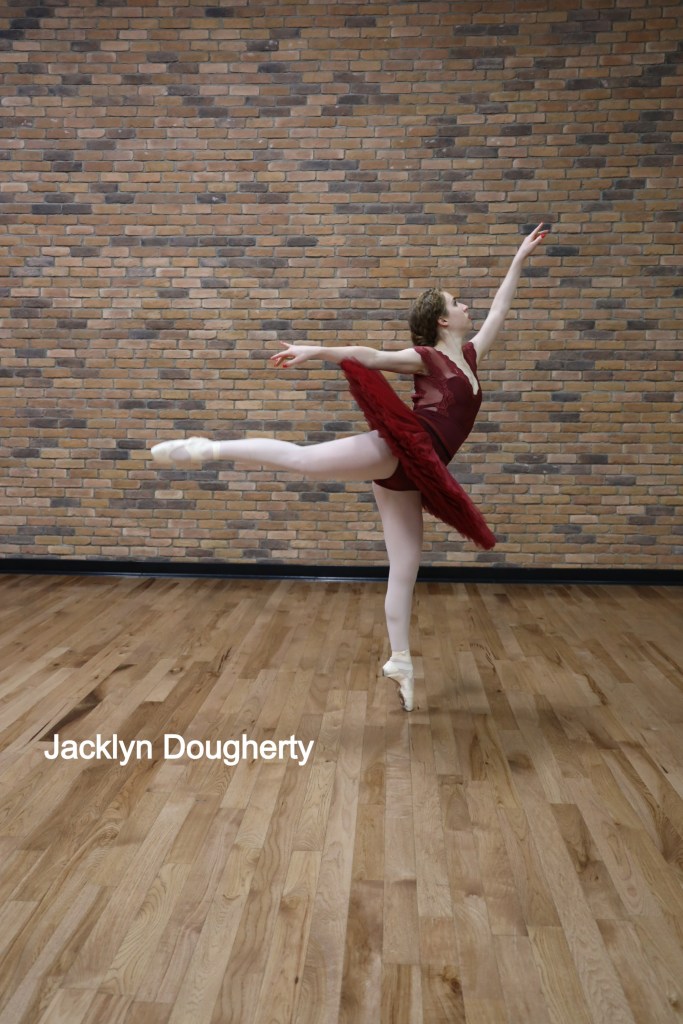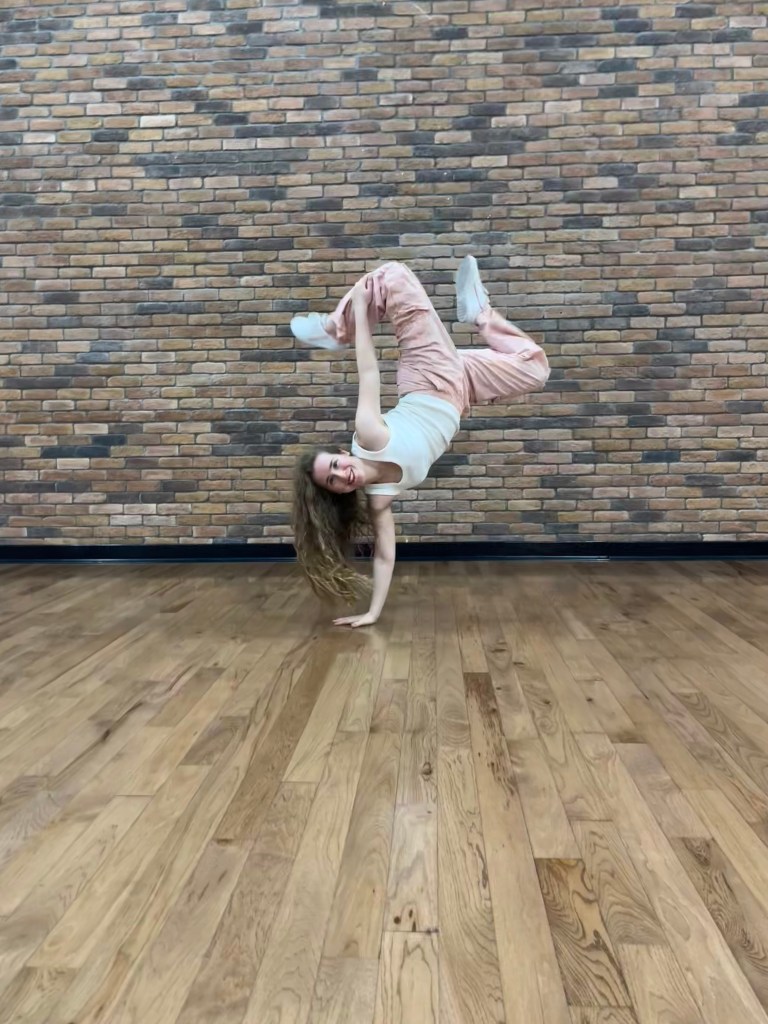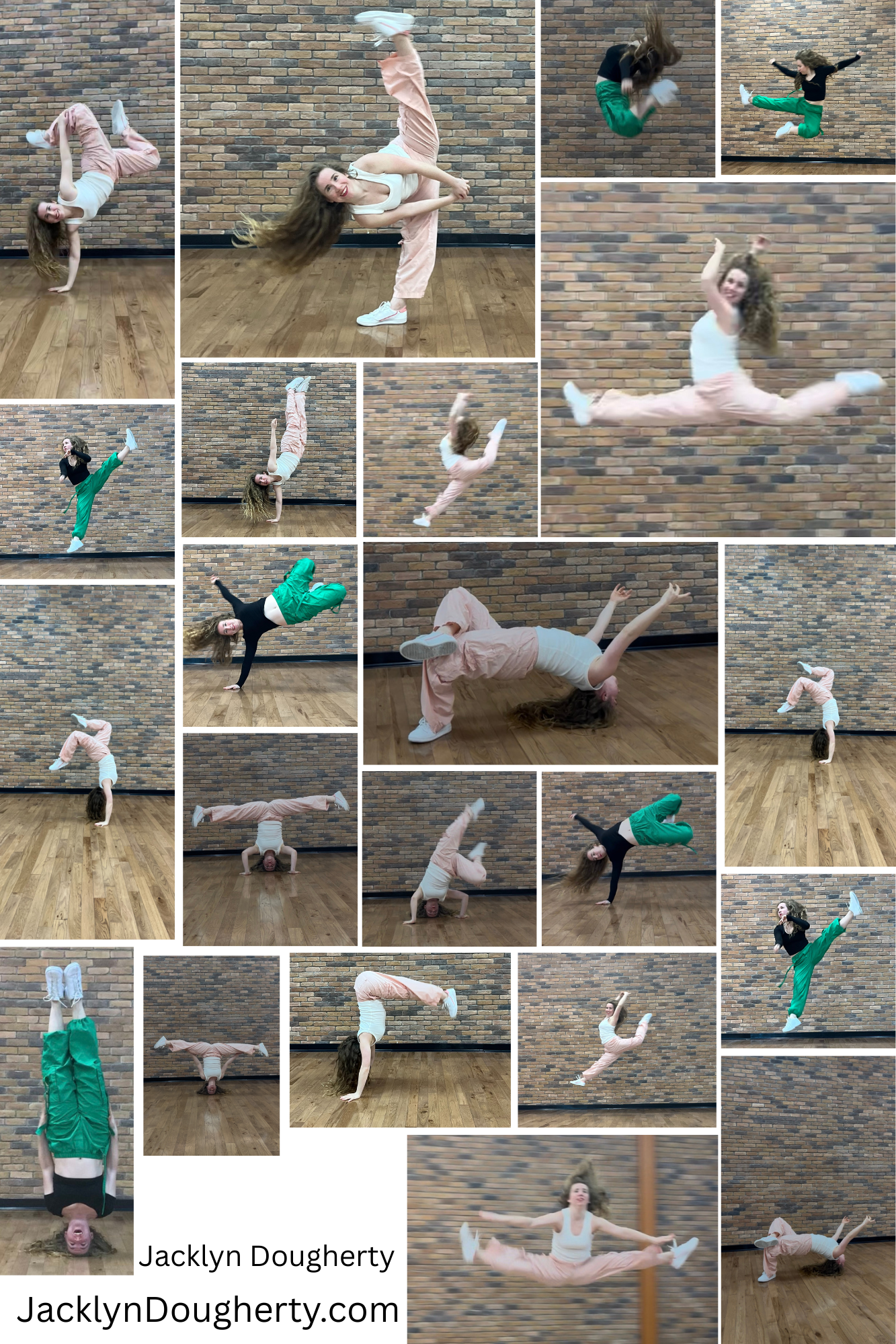

Whether you’re a beginner or seasoned dancer, understanding fundamental dance terms is key to improving technique and expressing artistry. From ballet to jazz, breakdancing, leaps to inversions, each move develops strength, flexibility, and coordination. This photo guide highlights 19 essential dance terms.
Visual references make it easier to learn proper form, alignment, and execution. Bookmark this guide to strengthen your dance vocabulary and elevate your performance.
One-Arm Handstand
Mastering the one-arm handstand is a blend of strength, balance, and patience. It’s not just a flashy skill; it reveals true body control and awareness. Success starts with a solid two-arm handstand, strong shoulders, and active core engagement. Gradually shift weight, use fingertip pressure, and keep the free arm light and responsive. Consistent drills—like shoulder taps, box handstands, and balance holds—build confidence over time. Progress feels slow, but each small improvement counts. The one-arm handstand teaches focus, humility, and trust in the process, reminding us that mastery comes from steady practice, not shortcuts, built through mindful repetition and calm breathing.

One-Arm Handstand with a straight (stacked) line
The one-arm handstand with a straight, stacked line is the gold standard of balance and control. It’s not about muscling through the skill, but about alignment. When the wrist, shoulder, hip, and ankle stack vertically, balance becomes efficient and calm. Achieving this requires exceptional shoulder stability, active legs, and a quiet core. Small fingertip adjustments replace big corrections. Training should emphasize line drills, slow weight shifts, and patient holds against the wall before going free. This version of the one-arm handstand feels almost effortless when done right, showcasing precision, discipline, and true mastery of body awareness.

Scorpion Freeze
The Scorpion Freeze is a stunning display of flexibility, strength, and balance in breakdancing. Named for its curved, scorpion-like shape, this move requires a strong core, open shoulders, and exceptional back flexibility. To execute it, the dancer balances on one arm while the legs arch dramatically overhead, often with one foot reaching toward the head. Controlled breathing and core engagement are key to maintaining stability and elegance. Practicing preparatory stretches, arm strength exercises, and gradual arch progressions helps prevent injury. The Scorpion Freeze is not just a pose—it’s a statement, blending artistry and athleticism into a breathtaking moment of power and grace.

Tuck Handstand
The Tuck Handstand is a foundational yet dynamic skill that builds strength, balance, and body awareness. Unlike a straight handstand, the tuck variation involves pulling the knees toward the chest, creating a compact, controlled shape. This position reduces leverage, making it easier for beginners to find balance while still challenging the core and shoulders. Tuck handstands are perfect for practicing entries, rotations, or transitioning into advanced handstand skills. Key tips include active shoulders, engaged core, and keeping the head neutral. With consistent practice—wall drills, tuck holds, and short freestanding attempts—this move strengthens your foundation and prepares you for more complex inversions.

Standing Split
The Standing Split is a graceful yet powerful pose that blends flexibility, balance, and strength. From a standing position, one leg lifts vertically while the supporting leg remains strong and grounded, creating a striking line. Core engagement and hip openness are essential to maintain stability and alignment. This move improves hamstring flexibility, balance, and lower body strength while challenging focus and body awareness. Beginners can use a wall or barre for support, gradually working toward freestanding. The Standing Split is more than a stretch it’s a display of control and elegance, combining athleticism and artistry in a single, breathtaking position.

Grand Jeté
The Grand Jeté is a breathtaking leap in dance that combines power, grace, and precision. In this move, the dancer launches into the air, splitting the legs fully front and back while maintaining a lifted torso and engaged core. Achieving a clean Grand Jeté requires strong leg muscles, flexible hips, and explosive momentum from the supporting leg. Arm placement and head focus enhance the aesthetic line, making the leap appear effortless. Practicing run-ups, jumps, and split stretches gradually builds height and control. The Grand Jeté captivates audiences, showcasing a dancer’s strength, elegance, and fearless commitment to flight in a single, soaring moment.

Stag Jump
The Stag Jump is a dynamic, stylish leap that combines energy, precision, and flair. In this jump, one leg tucks underneath while the other extends forward or back, creating a playful, curved shape midair. Strong core engagement, leg strength, and explosive power are essential for height and control. Flexibility in the hips and knees enhances the signature bent-leg line, while arms frame the body for balance and artistry. Practicing preparation jumps, pliés, and leg lifts builds the strength and coordination needed. The Stag Jump is not just an athletic move—it’s a statement of personality and creativity, adding character and flair to any performance.


Tuck Jump Cannonball Jump
The Tuck Jump, also called the Cannonball Jump, is a high-energy move that builds explosive power, agility, and core strength. In this jump, the knees are pulled tightly toward the chest while the arms wrap around the legs, creating a compact, “cannonball” shape in midair. Key elements include a strong takeoff from the balls of the feet, engaged core, and controlled landing to protect the joints. Drills like squat jumps, tuck holds, and plyometrics help improve height and form. The Tuck Jump is both fun and functional, making it a favorite in gymnastics, dance, and cheer, combining athleticism with eye-catching flair.

Calypso Jump Calypso Leap
The Calypso Jump, also called the Calypso Leap, is a stylish and athletic dance move that combines height, rotation, and elegance. In this leap, the dancer jumps off one leg, rotates the body in the air, and lands on the opposite leg, often with a beautifully extended leg line and pointed toes. Success requires strong takeoff power, core engagement, and hip flexibility to achieve a clean rotation and graceful landing. Arm placement adds lift and aesthetic flow. Practicing run-ups, leaps, and split stretches gradually improves control. The Calypso Leap is a show-stopping move, blending athleticism and artistry into a single, soaring moment.

Tilt Jump
The Tilt Jump is a dynamic dance leap that combines flexibility, strength, and dramatic flair. In this move, the dancer jumps off one leg while the torso tilts forward and the free leg extends high to the side, creating a striking diagonal line. Core strength, hip flexibility, and explosive leg power are essential to achieve height and control. Arm placement enhances balance and visual impact, while maintaining a strong supporting leg ensures a safe landing. Practicing tilts on the floor, jumps, and leg extensions gradually builds the strength and precision needed. The Tilt Jump is a bold, elegant expression of athletic artistry.


Head Supported Bridge Neck Bridge Backbend Bridge
The Head Supported Bridge, also called the Neck or Backbend Bridge, is a stunning display of flexibility, strength, and spinal mobility. In this pose, the head and sometimes the shoulders support part of the body’s weight while the spine arches deeply, creating a dramatic backbend. It requires strong shoulders, core engagement, and an open chest to maintain stability safely. Beginners should warm up with shoulder, spine, and hip stretches and practice partial bridges before attempting full support. This move strengthens the back, improves flexibility, and develops body awareness. The Head Supported Bridge combines athleticism and artistry into a visually striking, empowering pose.

Tripod Headstand
The Tripod Headstand is a foundational inversion that combines balance, strength, and focus. In this pose, the head and both hands form a triangular base, providing stability while the body lifts vertically. Core engagement, shoulder strength, and proper head placement are key to maintaining alignment and preventing strain. Beginners benefit from wall support and practicing tripod setups before attempting freestanding holds. This inversion improves body awareness, builds upper body strength, and enhances balance, making it a stepping stone to advanced headstand variations. The Tripod Headstand is both functional and elegant, demonstrating control, confidence, and mastery over the body’s vertical plane.

Headstand Straddle with Hands
The Headstand Straddle with Hands is a striking inversion that combines balance, strength, and flexibility. In this variation, the head and hands form a stable base while the legs open wide in a straddle, creating a bold, elegant line. Engaging the core, shoulders, and back muscles is essential to maintain stability and control. Beginners often start with wall support, gradually practicing freestanding holds while focusing on leg alignment and active toes. This move strengthens the upper body, improves balance, and enhances hip flexibility. The Headstand Straddle with Hands is both powerful and graceful, showcasing mastery of body awareness and precision.

One-Arm Side Freeze
The One-Arm Side Freeze is a striking breakdancing move that combines strength, balance, and control. In this freeze, the dancer supports their body on a single arm while the torso twists sideways, and the legs extend in a stylish, dynamic shape. Core engagement, shoulder stability, and wrist strength are essential to hold the position safely. Beginners can start with two-arm side freezes or wall-assisted drills before attempting the one-arm variation. Practicing small holds, weight shifts, and balance exercises gradually builds confidence. The One-Arm Side Freeze is a bold display of power, creativity, and body awareness, turning a static pose into a statement of style.


Freestanding Headstand No-Hands Headstand
The Freestanding No-Hands Headstand is a powerful inversion that showcases balance, strength, and body control. Unlike traditional headstands, this advanced skill eliminates hand support, relying entirely on core engagement, shoulder stability, and precise head alignment. Achieving it requires confidence, controlled breathing, and micro-adjustments to maintain equilibrium. Beginners benefit from wall-assisted headstands and gradual weight shifts off the hands to build trust in their balance. This move strengthens the neck, shoulders, and core while improving body awareness and focus. Mastering the Freestanding No-Hands Headstand is a remarkable achievement, combining physical strength, mental focus, and graceful control into a stunning, freestanding inversion.

Head Supported Bridge Neck Bridge Backbend Bridge
The Head Supported Bridge, also called the Neck or Backbend Bridge, is a visually striking pose that blends flexibility, strength, and spinal mobility. In this backbend, the head and sometimes shoulders support part of the body’s weight while the spine arches deeply, creating a dramatic curve. Key elements include strong shoulders, engaged core, and an open chest to maintain stability and prevent strain. Beginners should warm up with shoulder, spine, and hip stretches, gradually building up to full support. This move strengthens the back, improves flexibility, and enhances body awareness, combining athleticism and artistry into a powerful, graceful pose.
Tripod Headstand
The Tripod Headstand is a foundational inversion that combines balance, strength, and focus. In this pose, the head and both hands form a triangular base, providing stability while the body lifts vertically. Proper alignment, core engagement, and shoulder strength are essential to maintain control and prevent strain. Beginners often start with wall support or partial lifts to build confidence and stability before attempting freestanding holds. Practicing the tripod setup, weight shifts, and micro-adjustments enhances body awareness and balance. The Tripod Headstand is a versatile skill, serving as a stepping stone to advanced inversions while showcasing elegance, control, and strength.
Headstand Straddle with Hands
The Headstand Straddle with Hands is an impressive inversion that combines stability, strength, and elegance. In this variation, the head and hands create a supportive base while the legs open wide in a straddle, forming a bold, striking line. Maintaining this pose requires engaged core muscles, strong shoulders, and back strength to stay balanced and controlled. Beginners can start with wall-assisted headstands and practice straddle leg positioning before attempting freestanding holds. This move enhances upper body strength, hip flexibility, and overall balance. The Headstand Straddle with Hands is a powerful, graceful display of body awareness and control, blending athleticism with artistry.
Straddle Jump Toe Touch
The Straddle Jump Toe Touch is a high-energy, dynamic jump that combines flexibility, strength, and coordination. In this move, the dancer leaps into the air, extending the legs into a wide straddle while reaching toward the toes with the hands, creating a dramatic, eye-catching line. Achieving height and control requires strong leg muscles, core engagement, and hip flexibility. Practicing plyometric jumps, straddle stretches, and controlled toe-touch drills gradually builds power and precision. The Straddle Jump Toe Touch is a staple in dance, cheer, and gymnastics, showcasing athleticism, artistry, and body awareness, making each leap both visually striking and technically impressive.

Much Love
Jacklyn Dougherty