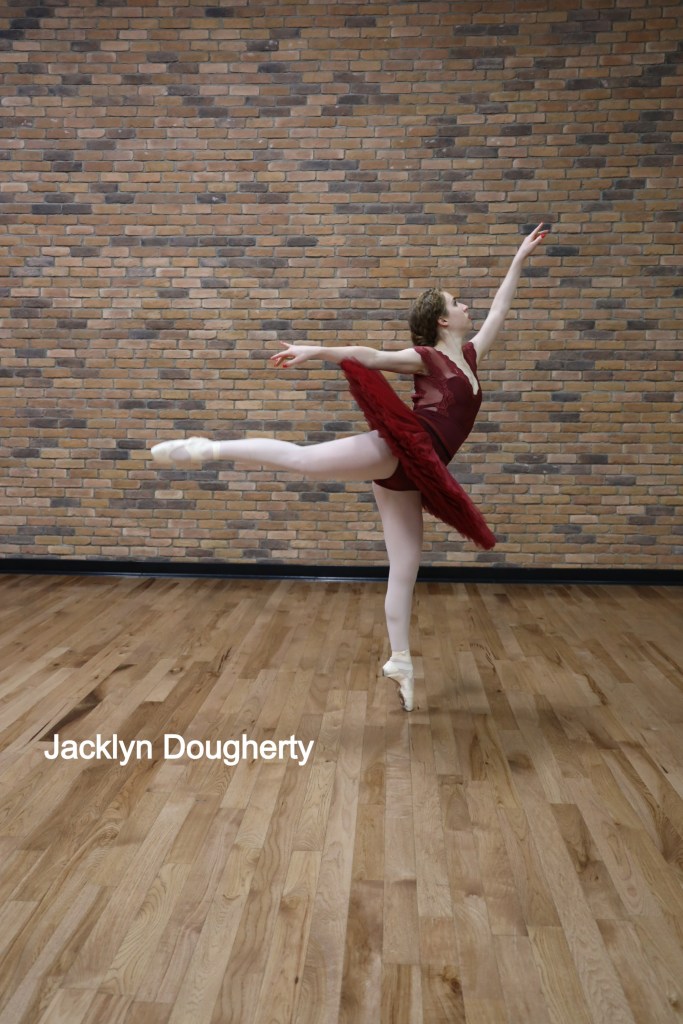
Jacklyn Dougherty Pointe Shoes Guide
A Dancer’s In-Depth Guide to Choosing, Fitting, and Caring for Pointe Shoes
Pointe shoes are one of the most iconic symbols of classical ballet. They represent years of training, discipline, and dedication—but they are also highly technical tools that must be chosen with great care. Wearing the wrong pointe shoe can lead to discomfort, poor technique, or even injury. This comprehensive guide will walk you through everything you need to know about pointe shoes, from readiness and fitting to styles, components, and care, helping dancers make confident and informed choices.
When Is a Dancer Ready for Pointe Shoes?
Before discussing shoes themselves, it’s essential to address readiness. Pointe work should only begin under the guidance of a qualified ballet teacher. Most dancers start pointe between ages 10–12, but age alone is not the deciding factor. Strength, alignment, ankle stability, core control, and consistent ballet training (usually at least 2–3 years) are far more important.
A dancer must demonstrate strong relevé, proper turnout from the hips, good posture, and the ability to control movement through the feet. Starting pointe too early can cause long-term damage, so patience and proper preparation are key.
Understanding the Parts of a Pointe Shoe
A pointe shoe is made up of several components, each playing a vital role:
- Box: The hard front of the shoe that supports the toes. Box shape and width vary by brand and foot type.
- Shank: The sole of the shoe that provides support under the arch. Shanks come in different strengths (soft, medium, hard).
- Vamp: The fabric covering over the toes. Vamp length affects how well the shoe supports the foot.
- Platform: The flat surface at the tip of the box where the dancer balances.
- Wings: The sides of the box that offer lateral support.
- Drawstring: Helps secure the shoe snugly around the foot.
Understanding these parts helps dancers and fitters choose shoes that complement individual foot structure and technique.
Why Professional Pointe Shoe Fitting Matters
A professional pointe shoe fitting is essential. Feet vary widely in shape—Egyptian, Greek, or square toes; narrow or wide metatarsals; high or low arches. A trained fitter assesses these factors and matches them with the appropriate shoe.
During a fitting, dancers should try several brands and styles, go up on pointe, roll through demi-pointe, and check alignment. A good fit allows the dancer to be fully supported without sinking, twisting, or feeling excessive pressure.
Never buy pointe shoes online without prior professional fitting, especially for a dancer’s first pair.
Choosing the Right Style and Brand
There is no single “best” pointe shoe—only the best shoe for your foot. Popular brands such as Bloch, Gaynor Minden, Nikolay (Grishko), Freed, Capezio, and Suffolk all offer different box shapes, shank options, and materials.
Some dancers prefer traditional paste shoes that mold to the foot over time, while others like modern, longer-lasting shoes with synthetic materials. The right choice depends on foot shape, strength level, training hours, and personal preference.
Accessories: Pads, Ribbons, and Elastics
Pointe shoes are customized with accessories for comfort and security:
- Toe pads protect toes and reduce pressure.
- Ribbons help support the ankle and secure the shoe.
- Elastics keep the heel from slipping.
Less is often more—too much padding can reduce floor connection and balance.
Breaking In and Caring for Pointe Shoes
Breaking in pointe shoes should be gradual. Never crush or force them. Gentle rolling through demi-pointe and light exercises help the shoe soften naturally in the right places.
To extend the life of pointe shoes:
- Allow shoes to dry completely between wears
- Rotate pairs if possible
- Store them in a breathable bag, not airtight plastic
Final Thoughts
Pointe shoes are not just footwear—they are precision instruments that support artistry and athleticism. The right pair enhances technique, confidence, and safety, while the wrong pair can hold a dancer back. With proper readiness, professional fitting, and thoughtful care, pointe shoes become a powerful partner in a dancer’s journey.
Always listen to your body, trust your teacher, and remember: the best pointe shoe is the one that allows you to dance your strongest, healthiest, and most beautifully. 🩰
Learn all about ballet at Jacklyn Dougherty
Much Love
Jacklyn Dougherty and Dr. Joni Dougherty Ed.D
Watch this video to learn about piano
For more ballet Cecchetti Ballet diplomacy combination, enchantment 24 Tendu and 24 Degage Jacklyn Dougherty
The complete guide to the cecchetti classical ballet syllabus