How Many Years Does It Take to Learn Ballet? A Realistic Guide for Every Dancer
Ballet is often described as a lifetime art—and for good reason. Unlike many activities where “learning” has a clear endpoint, ballet unfolds in stages, each building on the last. So when someone asks, “How many years does it take to learn ballet?” the honest answer is: it depends on your goals, starting age, training consistency, and definition of “learn.”
This guide breaks it down clearly, whether you’re a young student, an adult beginner, or simply ballet-curious.
What Does “Learning Ballet” Really Mean?
Before talking about years, it’s important to define learning ballet. For some, it means understanding basic positions and steps. For others, it means dancing on pointe, performing variations, or pursuing a professional career.
Most dancers move through levels of mastery, not a finish line:
- Learning fundamentals
- Building technique and strength
- Refining artistry and control
- Continuing growth and maintenance
Ballet is cumulative. You never stop learning—you just deepen your understanding.
Years 1–2: Learning the Basics
In the first 1–2 years, dancers typically learn:
- The five positions of the feet and arms
- Basic steps like plié, tendu, jeté, rond de jambe, and relevé
- Proper posture, alignment, and coordination
- Musicality and rhythm
- Basic barre and center work
For beginners—especially adults—this phase is about body awareness. Progress can feel slow because ballet uses muscles and coordination patterns most people haven’t trained before.
👉 After 1–2 years: A dancer can confidently take beginner classes and understand basic ballet vocabulary.
Years 3–5: Building Technique and Strength
Between 3–5 years, dancers develop:
- Stronger turnout and balance
- Cleaner footwork and transitions
- Single and double pirouettes (varies by individual)
- Petit allegro (small jumps)
- More expressive port de bras and épaulement
For children who start young, this is often when training becomes more structured. For adults, consistency matters more than age—those training 2–4 times per week often see solid progress here.
👉 After 3–5 years: A dancer is typically considered intermediate, with growing control and confidence.
Years 6–8: Advanced Technique and Pointe Work
Around 6–8 years of consistent training, many dancers reach advanced levels:
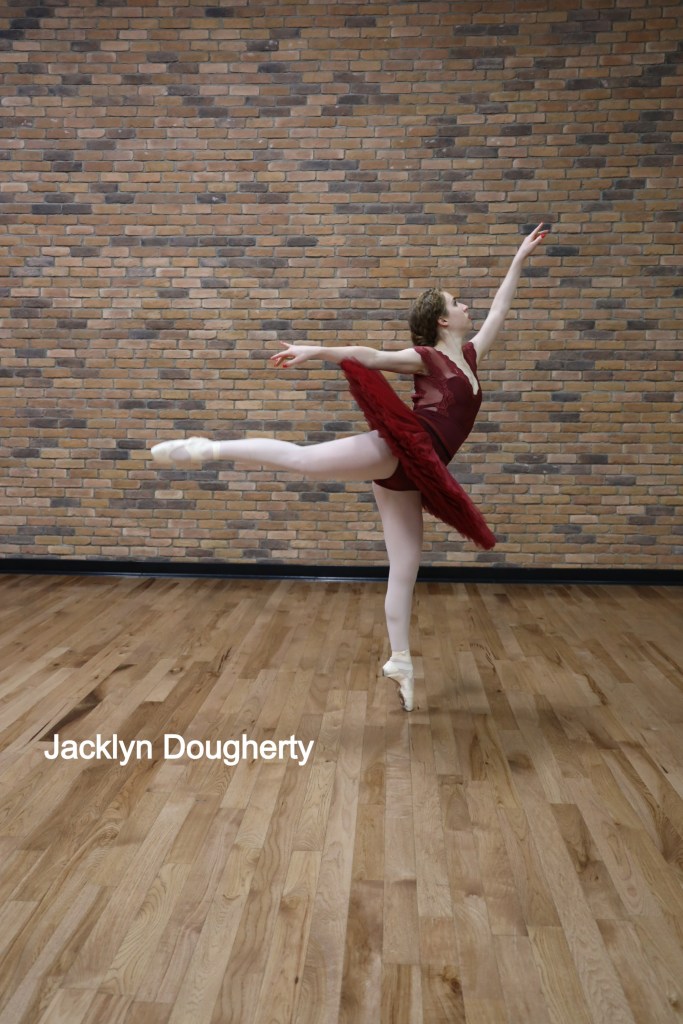
- Pointe work (for female dancers, usually after 3–4 years of proper training)
- Multiple pirouettes
- Complex allegro combinations
- Adagio strength and control
- Beginning classical variations
At this stage, dancers understand not just how to do steps, but why. Musical phrasing, artistry, and stylistic nuance become central.
👉 After 6–8 years: A dancer may perform advanced choreography and variations, though refinement continues.
10+ Years: Pre-Professional or Lifelong Dancer
For those aiming at a professional ballet career, training usually spans 10–15 years, often starting in early childhood. This includes:
- Daily or near-daily classes
- Cross-training and conditioning
- Repertoire and performance experience
- Coaching and auditions
However, many dancers train for 10+ years without pursuing a professional path—and that’s equally valid. Ballet is not only about careers; it’s about discipline, artistry, and joy.
👉 After 10+ years: Ballet becomes less about learning steps and more about refining artistry and maintaining technique.
Does Starting Age Matter?
Yes—but not in the way many people fear.
- Children have more time to build flexibility and technical habits.
- Adults often progress faster cognitively and emotionally, even if physical adaptations take longer.
Adults can absolutely “learn ballet,” perform, and reach advanced levels with consistent training. The timeline may differ, but the depth of learning can be just as rich.
So… How Long Does It Really Take?
Here’s the short answer:
- 1–2 years: Basic understanding
- 3–5 years: Intermediate technique
- 6–8 years: Advanced skills
- 10+ years: Mastery in progress
Ballet is not something you finish—it’s something you grow with.
Final Thought: Ballet Is a Journey, Not a Deadline
Whether you’re watching educational ballet content, taking weekly classes, or dreaming of pointe shoes, remember this: every dancer’s timeline is unique. Progress is measured in strength, confidence, and joy—not just years.
If you want structured guidance, high-quality ballet education resources (like step-by-step technique breakdowns and beginner-to-advanced explanations) can make a huge difference in how efficiently—and safely—you learn.
Ballet rewards patience. And the beauty is, it gives back for as long as you stay curious and committed 🩰
Much Love
Jacklyn Dougherty