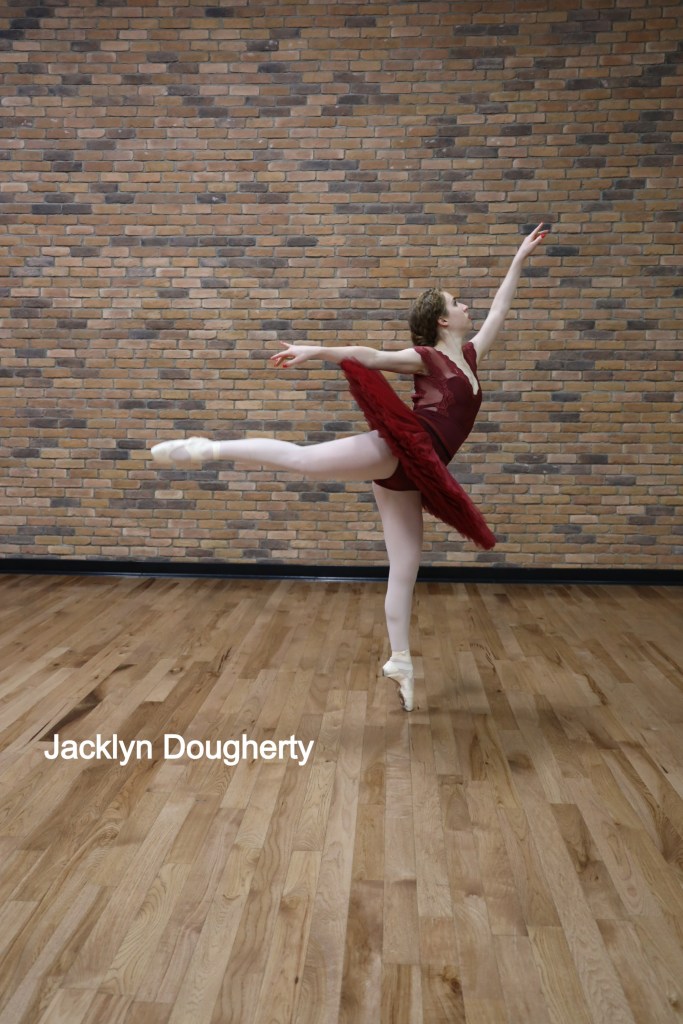
Ballet. Why is this book important? How to use this book for teachers? How to use this book as a student?
🎓 SYLLABUS
THE THEORY AND PRACTICE OF ALLEGRO IN CLASSICAL BALLET
(Cecchetti Method — Teaching Edition)
Adapted from the original text by Margaret Craske & Cyril W. Beaumont (1930)
COURSE OVERVIEW
This syllabus provides teachers with a structured approach to instructing the Allegro section of the Cecchetti Method. It emphasizes coordination between feet, arms, and head movements; the acquisition of elevation, precision, and grace; and balanced development of strength and style.
Instruction progresses from foundational allegro steps to complex enchaînements through weekly repetition and alternation of right and left foot leadership.
TEACHING OBJECTIVES
By the end of this course, students should be able to:
- Demonstrate clarity and precision in basic allegro steps.
- Execute enchainements with correct timing, alignment, and musical phrasing.
- Maintain harmony between arms, head, and feet throughout allegro combinations.
- Develop equal strength and agility on both right and left sides.
- Apply Cecchetti’s principles of control, grace, and ballon (lightness of elevation).
TEACHING PRINCIPLES
- Begin each week on one foot (right), alternating to left the following week.
- Stress correct placement at the barre; weaknesses in allegro arise from neglected fundamentals.
- Encourage coordination of head and arm movements to crown the grace of the limbs.
- Prioritize clarity of execution before speed or height.
- End each class with petits changements followed by grands changements for stamina and alignment.
🗓️ WEEKLY STRUCTURE (Six-Day Allegro Cycle)
| Day | Focus | Core Combinations (Enchainements) | Pedagogical Notes |
|---|---|---|---|
| Monday | Simple Assemblés & Coordination | Trois Petits Changements – Deux Échappés sur les Pointes; Assemblé Cecchetti; Assemblé–Temps Levé–Assemblé–Développé Croisé; Glissade–Assemblé–Pas de Bourrée–Assemblé en Tournant. | Focus on clean transitions between jumps; maintain fifth position on landings. Arms mirror the placement of feet. |
| Tuesday | Ballonnés, Jetés, and Petits Battements | Jetés–Battements; Jeté–Petits Battements–Deux Ballonnés; Pas de Bourrée Couru & Dégagé–Fouettés en Tournant–Pas de Chat. | Emphasize ballon and rhythm. Strengthen lower leg articulation and precise battement control. |
| Wednesday | Ronds de Jambe & Gargouillades | Jetés–Double Rond de Jambe Sauté; Rond de Jambe Relevé Dedans/Dehors–Pas de Bourrée–Pas de Chat; Gargouillades (slow to quick). | Encourage circular leg coordination and soft upper body carriage. Transition from slower to brilliant execution. |
| Thursday | Fouettés & Jetés en Attitude | Trois Petits Changements–Grand Changement en Tournant; Jeté–Fouetté–Fouetté Sauté en Tournant–Temps Levé; Deux Jetés en Attitude–Assemblé–Posé–Croisé Variations. | Introduce tours and directional changes. Refine epaulement (shoulder placement). |
| Friday | Brisés, Temps de Cuisse, Entrechats, and Cabrioles | Brisés Soutenus & de Suite; Temps de Cuisse–Entrechat Quatre; Glissade–Cabriole Devant/Derrière; Échappé–Soussus–Pirouette sur la Pointe. | Strength training day. Build endurance, beats, and clarity of batterie. Stress clean fifth position on landing. |
| Saturday | Fouetté Sauté Series & Diagonal Tours | Fouetté Sauté à Quatre Temps en Avant et Arrière; Series of Tours en Dedans en Diagonale. | Artistic presentation and stamina. Incorporate musical phrasing and controlled spotting. |
ONGOING ELEMENTS
- Warm-up (10–15 min): Battement frappé, dégagé, petit jeté terre à terre.
- Mid-Class (20–25 min): Allegro technique focus for the day.
- Cool Down (5–10 min): Adagio port de bras emphasizing posture and breath.
- Weekly Review: Alternate foot each week; test recall of enchainement sequences.
EVALUATION CRITERIA
- Technical Accuracy (40%): Placement, timing, fifth position precision.
- Elevation & Ballon (25%): Lightness, smooth landings, spring control.
- Coordination (20%): Unity of arms, head, and legs.
- Musicality & Artistry (15%): Phrasing, rhythm, style, and expressive quality.
RESOURCES
- A Manual of the Theory and Practice of Classical Theatrical Dancing (Craske & Beaumont, 1922).
- The Theory and Practice of Allegro in Classical Ballet (Cecchetti Method), 1930.
- Cecchetti Society Syllabi for Professional and Advanced Grades.
- Music: Traditional Cecchetti Allegro Studies (Tracks 1–12).
TEACHER’S NOTE
“Faults neglected at the barre will always reappear in allegro.”
— Maestro Enrico Cecchetti
Teachers are encouraged to balance technical discipline with expressive artistry. Allegro training develops vitality, clarity, and joy — the living heartbeat of classical ballet.
Would you like me to make this into a printable PDF format with title page, section dividers, and professional layout (like your other ballet PDFs)?
You said:
students
ChatGPT said:
Perfect 🌸 — here’s a Student Syllabus version of The Theory and Practice of Allegro in Classical Ballet (Cecchetti Method).
This version keeps the historical integrity and vocabulary of Craske & Beaumont’s 1930 work, but simplifies and organizes it for modern ballet students — clear goals, progressive structure, and weekly focus.
🩰 STUDENT SYLLABUS
THE THEORY AND PRACTICE OF ALLEGRO
(Cecchetti Method — Student Edition)
Adapted from Margaret Craske & Cyril W. Beaumont, 1930
🎯 COURSE PURPOSE
Allegro (meaning “lively” or “quick”) is the heart of classical ballet — the joyful expression of rhythm through jumping, springing, and beating movements.
In the Cecchetti Method, Allegro training develops:
- Strength and lightness (ballon)
- Balance and coordination
- Grace and musical precision
- Even mastery on both sides of the body
💡 STUDENT OBJECTIVES
By the end of this course, you will:
- Perform basic to advanced allegro steps with control and energy.
- Coordinate arms, head, and legs harmoniously.
- Understand Cecchetti positions and directions (devant, derrière, en avant, en arrière, etc.).
- Build stamina and agility for longer enchainements (combinations).
- Maintain poise, posture, and artistry during all jumps.
📅 WEEKLY TRAINING PLAN
Each week alternates starting foot: Week 1 — Right, Week 2 — Left.
Classes: 6 days per week, with Sunday as rest and review.
| Day | Focus Area | Main Exercises / Steps | Goals |
|---|---|---|---|
| Monday | Foundation of Allegro | Petits & Grands Changements, Échappés sur les Pointes, Assemblés, Glissades, Pas de Bourrée | Build strength in jumps and landings. Keep heels lowered and knees soft. |
| Tuesday | Lightness & Rhythm | Jetés, Ballonnés, Petits Battements, Fouettés en Tournant, Pas de Chat | Train sharp footwork and rhythm. Develop quick reaction and balance. |
| Wednesday | Circular & Traveling Allegro | Rond de Jambe Sauté, Gargouillades, Pas de Bourrée–Pas de Chat, Jetés Double Rond de Jambe | Practice direction changes and smooth circular leg action. |
| Thursday | Turning & Coordination | Jeté–Fouetté–Fouetté Sauté en Tournant, Jetés en Attitude, Assemblé–Posé–Croisé | Combine jumps with turns. Focus on spotting and arm control. |
| Friday | Elevation & Batterie | Brisés, Temps de Cuisse, Entrechat Quatre, Cabriole Devant/Derrière, Pirouette sur la Pointe | Strength and clarity in beats. Develop power without tension. |
| Saturday | Performance Allegro | Fouetté Sauté à Quatre Temps (Avant & Arrière), Tours en Diagonale, Jeté–Assemblé–Temps Levé | Combine artistry, stamina, and musical phrasing. Express joy through movement. |
🧭 TECHNIQUE GUIDELINES
- Always begin in 5th position, posture upright, core engaged.
- Use plié as the foundation for all elevation — never skip it.
- Arms mirror the movement of the legs (open with the legs, close as you land).
- Keep the toes pointed and stretched at all times.
- Heels must lower fully on each landing to preserve ballon.
- Coordinate head and eyes: the head crowns the grace of the movement.
- Practice both sides equally — this builds symmetry and confidence.
🎵 MUSICALITY & STYLE
- Allegro movements are rhythmic and bright, never rushed.
- Listen for accents — “ti-tah” in brisé, “tah” in chassé.
- Express the joy and spirit of dance through every spring and landing.
- Maintain elegance of the upper body even in quick footwork.
💪 PRACTICE ROUTINE
- Warm-Up (Barre) – 10 minutes of dégagé, frappé, petit jeté terre à terre.
- Core Allegro – 20–25 minutes of steps and enchainements.
- Cool Down (Adagio) – 5–10 minutes of port de bras and stretching.
- Reflection – Note progress on control, timing, and expression.
🧘♀️ BALLET VALUES
“The head should crown the grace of the limbs.” — Maestro Enrico Cecchetti
- Work with patience and repetition.
- Seek quality over height or speed.
- Remember: true brilliance in allegro comes from clean simplicity.
🏆 ASSESSMENT & PROGRESS
- Precision – exactness of steps and landings.
- Ballon – light, floating jumps.
- Coordination – harmony of arms, legs, and head.
- Musicality – movement in rhythm and phrasing.
- Expression – joyful performance quality.
📚 STUDY RESOURCES
- The Theory and Practice of Allegro (Craske & Beaumont, 1930)
- Manual of Classical Theatrical Dancing (Craske & Idzikowski, 1922)
- Cecchetti Method Grades: Intermediate to Advanced
- Cecchetti Music for Allegro Combinations (Tracks 1–12)
🌹 Final Note for Students
Allegro is not only about speed and power — it is about clarity, joy, and musical breath.
When taught with discipline and practiced with artistry, Allegro becomes the heartbeat of your dancing.
Would you like me to turn this student syllabus into a beautiful 2-page PDF with Cecchetti-style layout (title page, weekly chart, teacher note footer, and your website “JacklynDougherty.com” at top and bottom)?
You said:
histroical
ChatGPT said:
Excellent choice 👑 — here’s a Historical Syllabus Edition of The Theory and Practice of Allegro in Classical Ballet (Cecchetti Method).
This version is written for academic, archival, or advanced teacher education use — it preserves the historical language, sequence, and structure of the 1930 text, while organizing it into a modern syllabus layout that outlines how Allegro evolved and was systematized under the Cecchetti Method.
🩰 HISTORICAL SYLLABUS
The Theory and Practice of Allegro in Classical Ballet
(Cecchetti Method — Historical Course Edition)
By Margaret Craske and Cyril W. Beaumont, 1930
With illustrations by Randolph Schwabe
🕰️ HISTORICAL CONTEXT
Publication Year: 1930
Authors: Margaret Craske (Cecchetti disciple) and Cyril W. Beaumont (ballet historian and publisher)
Purpose: To complete the work begun in A Manual of the Theory and Practice of Classical Theatrical Dancing (1922) by expanding on the Allegro portion — the lively, jumping, and brilliant movements of ballet.
This book stands as one of the first systematic written codifications of Allegro technique according to Enrico Cecchetti’s principles. It bridges the oral tradition of the ballet master with written analysis, notation, and detailed timing structure — marking a significant moment in the formalization of dance pedagogy.
🎓 EDUCATIONAL PURPOSE
This syllabus serves as a guide for historical study and teaching practice, emphasizing:
- The progressive codification of Allegro in the Cecchetti school.
- The correlation between technical form and musical rhythm.
- The pedagogical symmetry of working right and left sides alternately by week.
- The integration of arm, head, and leg coordination to produce harmony and grace.
🩰 STRUCTURE OF THE ORIGINAL TEXT
The book is divided into two principal parts:
PART I — BASIC STEPS
Alphabetical presentation of fundamental Allegro movements, including:
- Assemblé, Ballonné, Ballotté, Brisé, Changement, Chassé, Contretemps, Coupé, Échappé, Entrechat, Fouetté, Glissade, Jeté, Pas de Basque, Pas de Chat, Pas de Cheval, Rond de Jambe, Sissonne, Soussus, Temps Levé, Temps de Cuisse, Temps de Poisson, and others.
- Compound steps (e.g., Ballonné à Trois Temps, Brisé Volé, Sissonne Retombée) are included within this section rather than separately, maintaining pedagogical convenience.
Each step includes:
- Starting position
- Detailed movement breakdown
- Head and arm coordination
- Notes on direction and musical accent
PART II — ENCHAINEMENTS (COMBINATIONS)
These are arranged by day of the week, creating a six-day Allegro practice cycle, consistent with Cecchetti’s systematic method of rotation.
| Day | Key Combinations (Selections) | Focus |
|---|---|---|
| Monday | Trois Petits Changements – Deux Échappés sur les Pointes; Assemblé Cecchetti; Assemblé–Temps Levé–Assemblé–Développé Croisé | Foundational allegro precision and rhythm. |
| Tuesday | Jetés–Battements; Jeté–Petits Battements–Deux Ballonnés; Pas de Bourrée Couru & Fouettés en Tournant | Building lightness, rhythm, and petit batterie. |
| Wednesday | Jetés–Double Rond de Jambe Sauté; Rond de Jambe Relevé Dedans & Dehors; Gargouillades | Circular motion, control, and directional awareness. |
| Thursday | Jeté–Fouetté–Fouetté Sauté en Tournant–Temps Levé; Jetés en Attitude–Assemblé–Posé Croisé | Turning and coordination of upper and lower body. |
| Friday | Brisés Soutenus–Brisés de Suite–Temps de Cuisse–Entrechat Quatre; Cabriole Devant/Derrière; Échappé–Soussus–Pirouette sur la Pointe | Mastery of batterie and elevation. |
| Saturday | Fouetté Sauté à Quatre Temps en Avant et Arrière; Series of Tours en Dedans en Diagonale | Virtuosity and presentation; diagonal performance practice. |
A final “Miscellaneous Section” includes touring combinations and full-room allegro sequences for stage or examination performance.
🧭 METHODOLOGICAL PRINCIPLES
1. Alternation of Leading Foot
“Students begin all their work — bar, centre practice, adagio and allegro — with the right foot one week and the left the next.”
→ This ensures bilateral strength and mental agility.
2. Logical Coordination
“The position of the arms corresponds to that of the feet.”
→ For example, in Échappé à la Quatrième, arms open to fourth; in Changement, they remain en bas.
3. Integration of Style and Mechanics
Cecchetti insisted that:
- Strength and facility come from daily repetition.
- Grace and style arise only through conscious refinement of head and arm movement.
4. Attention to Ballon
“The smooth falling and rising of the feet in passage from step to step.”
Faults such as not lowering the heel, or throwing the body forward, disrupt ballon and produce heaviness.
5. Emphasis on Individual Expression
Even within strict rules, the student “must preserve and develop individuality.”
Just as a musician interprets tone and phrasing, a dancer must vary the quality of movement according to the step’s character.
🧩 PEDAGOGICAL CONSTRUCTION
The system builds from simple to complex:
- Petits movements (petit allegro) — changes, échappés, chassés.
- Medium allegro — assemblés, jetés, pas de chat, ballonnés.
- Grand allegro — grands jetés, cabrioles, fouettés, tours.
- Combined enchainements integrating rhythm, direction, and artistry.
Each enchaînement is timed numerically (1–8 counts), allowing students to understand tempo equivalence between steps.
📖 HISTORICAL SIGNIFICANCE
- The Allegro Manual represents the first codified weekly syllabus for advanced ballet practice.
- It standardized the Cecchetti Allegro curriculum across London and Milan.
- Its precise written notation prefigured later syllabi of the Imperial Society of Teachers of Dancing (ISTD).
- Illustrations by Randolph Schwabe provided visual alignment between anatomical correctness and classical form.
- The text reaffirms the Cecchetti motto: “Barre forms the foundation; Allegro crowns the art.”
🏛️ SCHOLASTIC OUTCOME
By studying and teaching from this historical syllabus, the student or instructor gains:
- Understanding of Cecchetti’s original Allegro pedagogy.
- Ability to reconstruct authentic historical class structures.
- Appreciation of 1920s–30s ballet notation and terminology.
- Insight into the evolution of modern ballet training from oral to written pedagogy.
📚 RECOMMENDED COMPANION TEXTS
- A Manual of the Theory and Practice of Classical Theatrical Dancing (1922) — Craske & Idzikowski.
- The Theory and Practice of Allegro (1930) — Craske & Beaumont.
- The Cecchetti Method of Classical Ballet — Imperial Society of Teachers of Dancing, London.
- Beaumont’s Complete Book of Ballets (1937).
- Margaret Craske: Teaching the Cecchetti Method (oral histories, Dance Collection, NYPL).
🩰 TEACHER’S HISTORICAL NOTE
“The logical beauty of Cecchetti’s system lies in its balance — between strength and grace, discipline and artistry, right and left.”
This historical syllabus reminds us that Allegro, though technical in execution, was designed as a dance of joy — the culmination of all that is musical, precise, and alive in classical ballet.
For more ballet please visit Jacklyn Dougherty website.
Much Love Jacklyn Dougherty and Dr. Joni Dougherty Ed.D