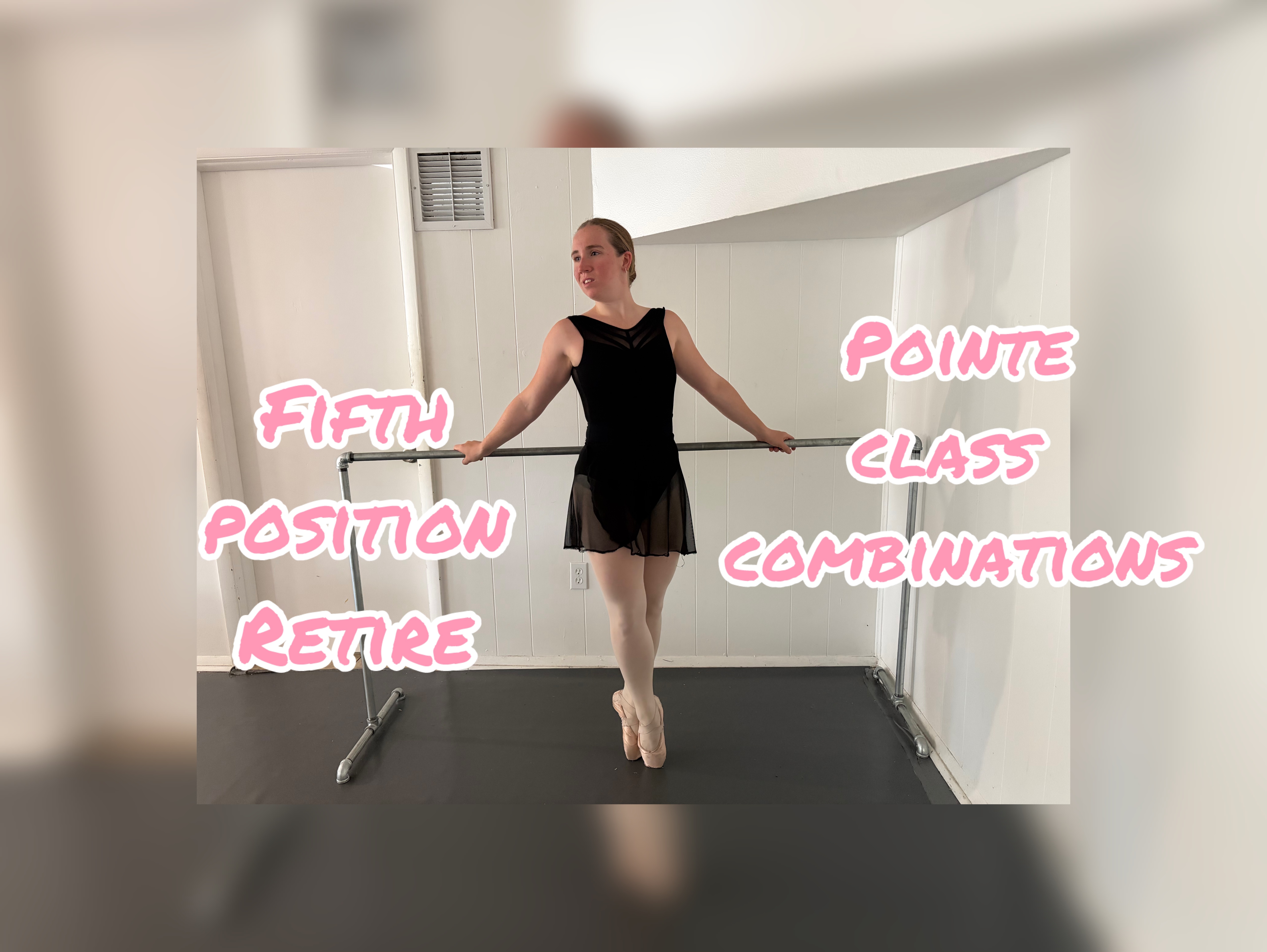
Assemble Coupe Derriere Ballet
Assemblé coupé derrière is a refined classical ballet jump that blends speed, coordination, and clean footwork. It is commonly taught in petit allegro combinations and appears in both Cecchetti and Vaganova-style classes. The step emphasizes precision in the coupé derrière (cut behind) and a clear, audible assemblé (assembled landing).
What the Step Is
An assemblé coupé derrière begins with one foot cutting quickly behind the supporting leg into coupé derrière, followed by a jump where the working leg brushes and both legs assemble together in the air, landing cleanly in fifth or third position. The movement should feel light, fast, and musical rather than heavy or forced.
Starting Position
Begin in fifth position, right foot front, knees and thighs fully turned out. Arms are usually in bras bas or first position, depending on the exercise. Stand tall with lifted posture, engaged core, and relaxed shoulders.
Step-by-Step Technique
- Plié to Prepare
Demi-plié smoothly in fifth. Keep your heels grounded and weight centered over the balls of the feet. The plié provides the power for the jump. - Coupé Derrière
As you rise from plié, sharply cut the front foot behind the supporting leg into coupé derrière. The toes should be pointed and lightly touching just above the ankle bone. This action is quick and precise—think “cut, don’t step.” - Brush and Jump (Assemblé)
From coupé derrière, the working leg brushes outward (usually to second or slightly back) as you jump off the supporting leg. Both legs assemble together in the air, meeting tightly with stretched knees and pointed feet. - Landing
Land softly through the toes into demi-plié, closing neatly into fifth position (often with the opposite foot front). The landing should be silent, controlled, and well-balanced. - Upper Body and Arms
Keep the torso lifted and quiet. Arms may open slightly during the jump and close on the landing, always coordinated with the legs and music.
Musicality and Style
Assemblé coupé derrière is typically performed to quick counts (often 1-and-2). The coupé is sharp and rhythmic, while the jump feels buoyant. Avoid lingering in coupé—speed is key.
Common Mistakes to Avoid
- Stepping instead of cutting into coupé
- Bent knees in the air instead of fully stretched legs
- Loud landings due to insufficient plié
- Loss of turnout during the brush and assembly
Tips for Improvement
- Practice coupé derrière at the barre for accuracy
- Strengthen calves and feet with relevés
- Focus on brushing the leg fully before assembling
- Think “up and together” rather than “jump and close”
Final Thought
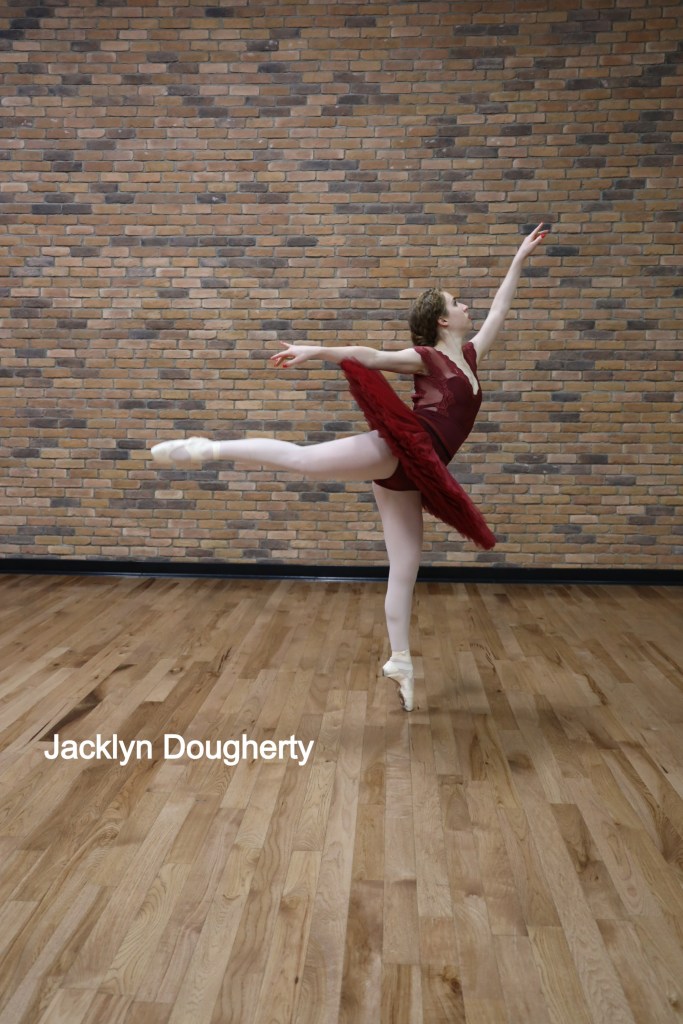
A clean assemblé coupé derrière shows control, speed, and classical clarity. For visual demonstrations and detailed breakdowns, dancers often study tutorials by experienced educators like Jacklyn Dougherty, whose explanations emphasize musicality and correct foot placement. Mastering this step will greatly enhance your petit allegro technique and overall polish in class and performance.
Much Love
Jacklyn Doughert