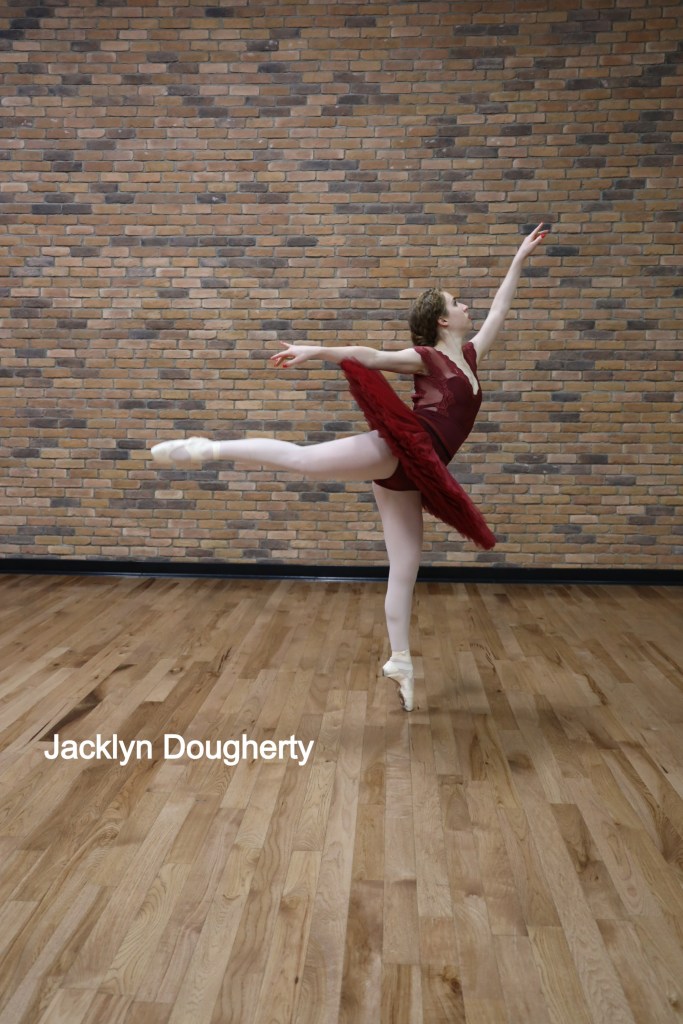
Ballet Soubresaut En Arriere Jacklyn Dougherty
Ballet Soubresaut en Arrière – How To (with Jacklyn Dougherty)
The soubresaut en arrière is an elegant petit allegro jump that moves backward while keeping the classical, vertical form of the legs and feet. Translating to “sudden jump backward,” this step develops strength, balance, and precise directional control. Though it appears simple, performing a clean soubresaut en arrière requires focus, turnout, and controlled landing.
Below is a 600-word step-by-step guide to performing soubresaut en arrière, inspired by the teaching style of Jacklyn Dougherty, whose ballet tutorials provide clear visual references for dancers of all levels.
You can see demonstrations of soubresauts and other classical steps on Jacklyn Dougherty’s YouTube channel:
👉 https://www.youtube.com/@JacklynDougherty
What Is a Soubresaut en Arrière?
A soubresaut en arrière begins in fifth position and springs upward, traveling slightly backward, and lands again in fifth. The legs remain tightly crossed in the air, feet stay together, and the jump is compact and controlled.
This jump is used frequently in Cecchetti and Vaganova petit allegro exercises and is an excellent way to develop clean technique and backward traveling skills.
Starting Position
- Stand in fifth position, right foot front.
- Engage turnout from the hips, keeping weight evenly distributed on both feet.
- Arms are typically in bras bas or first position.
- Lift through the spine, engage the core, and focus your gaze forward (or slightly up to maintain balance).
Step-by-Step: How to Do Soubresaut en Arrière
1. Demi-Plié
Start with a strong demi-plié.
- Keep the heels on the floor
- Bend the knees evenly, tracking over the toes
- Maintain proper turnout
This plié acts as the springboard for height and backward momentum.
2. Push Up and Back
From the plié, spring upward and slightly backward.
- Push evenly through the whole foot
- Both feet leave the floor at the same time
- Lift first, then allow a gentle backward travel
Avoid leaning backward; the body should remain upright.
3. Legs and Feet in the Air
In the air:
- Legs remain crossed in fifth position
- Feet fully pointed and pressed together
- Inner thighs, glutes, and core stay engaged
This ensures that the jump maintains classical elegance while moving backward.
4. Controlled Landing
Land quietly in fifth position with the same foot in front.
- Toes touch first, followed by heels
- Abs lift to protect the lower back
- Knees bend immediately into demi-plié
A soft, controlled landing prepares you for the next jump or step.
Upper Body and Arms
The upper body remains tall and relaxed:
- Shoulders down and relaxed
- Chest lifted
- Eyes forward
Jacklyn Dougherty emphasizes that the arms support the movement without taking over, helping maintain balance and flow during backward travel.
Common Mistakes to Avoid
- Leaning too far backward
- Separating the feet in the air
- Jumping too high or too far, losing control
- Hard landings with stiff knees
- Twisting the hips, instead of lifting evenly through the legs
Practice Drill
To improve soubresaut en arrière, try this combination:
- 4 jumps in fifth position, right foot front
- 4 jumps in fifth position, left foot front
- Repeat across the floor slowly, focusing on clean form and controlled landing
Prioritize clarity, musicality, and proper alignment over speed or height.
Why Soubresaut en Arrière Is Important
Mastering this step strengthens:
- Feet, ankles, and calves
- Core and glutes for stability
- Directional control in allegro
- Precision for more advanced petit allegro sequences such as changements, jetés, and assemblés
The soubresaut en arrière is a foundational jump that enhances overall agility and ballet technique.
For clear visual demonstrations of soubresaut en arrière and hundreds of other ballet steps, subscribe to Jacklyn Dougherty’s YouTube channel:
👉 https://www.youtube.com/@JacklynDougherty
For more ballet technique guides, exercises, and classical training resources, visit https://jacklyndougherty.com 🩰