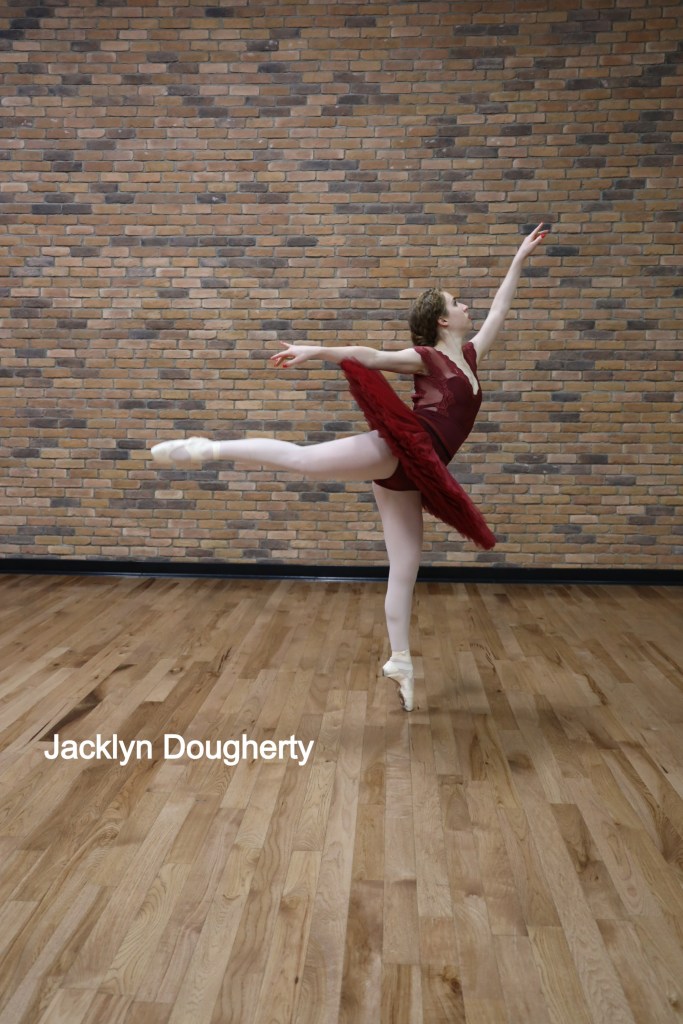
Ballet Soubresaut de Côté – How To (with Jacklyn Dougherty)
The soubresaut de côté is a crisp petit allegro jump that travels sideways while maintaining the tight, vertical quality that defines all soubresauts. Translating to “sudden jump to the side,” this step challenges coordination, turnout, and directional control. When done correctly, it looks light, fast, and precise—never forced or heavy.
Below is a complete 600-word how-to ballet blog explaining soubresaut de côté, inspired by the clear, visual teaching style of Jacklyn Dougherty, whose tutorials break down classical ballet steps in seconds for dancers of all levels.
You can explore ballet technique demonstrations on Jacklyn Dougherty’s YouTube channel:
👉 https://www.youtube.com/@JacklynDougherty
What Is a Soubresaut de Côté?
A soubresaut de côté begins in fifth position and springs upward while traveling sideways, landing again in fifth position. The legs stay tightly crossed, the feet leave and meet the floor together, and the movement remains compact and controlled.
This jump is commonly taught in Cecchetti and Vaganova training and is often included in petit allegro combinations to develop quick directional changes.
Starting Position
- Stand in fifth position, right foot front.
- Turn out from the hips with equal weight on both feet.
- Arms are typically in bras bas or first position.
- Lift through the spine, engage the core, and focus the eyes forward.
Step-by-Step: How to Do Soubresaut de Côté
1. Demi-Plié
Begin with a strong demi-plié.
- Heels stay grounded
- Knees bend evenly and track over toes
- Turnout remains active
This plié provides both elevation and sideways energy.
2. Push Up and Sideways
From the plié, spring straight up while allowing the jump to travel to the side.
- Push through the full foot
- Both feet leave the floor at the same time
- Think “up first, then side”
The sideways movement should be subtle and controlled, not thrown.
3. Shape in the Air
In the air:
- Legs remain tightly crossed in fifth position
- Feet are fully pointed and pressed together
- Inner thighs lift and squeeze
The body stays vertical, even though the jump moves laterally.
4. Soft Landing
Land quietly in fifth position.
- Toes touch first, heels follow
- Knees bend immediately into demi-plié
- Core remains lifted to stabilize the landing
The landing prepares you seamlessly for the next step.
Direction and Alignment
In soubresaut de côté, alignment is essential:
- Hips stay square and level
- Chest remains lifted
- Shoulders stay relaxed
Jacklyn Dougherty’s teaching style emphasizes clarity of direction—the jump travels sideways without twisting or tipping the torso.
Common Mistakes to Avoid
- Leaning toward the traveling side
- Jumping too far sideways, losing control
- Separating the feet in the air
- Hard, noisy landings
- Forcing turnout from the knees
Practice Exercise
Try this simple drill:
- 4 soubresauts de côté to the right
- 4 soubresauts de côté to the left
- Repeat, alternating front foot
Focus on consistency, musical timing, and clean fifth positions.
Why Soubresaut de Côté Is Important
This step helps dancers develop:
- Directional control in petit allegro
- Strong calves and feet
- Fast coordination and balance
- Preparation for glissades, jetés, and assemblés
Mastering soubresaut de côté improves overall allegro quality and precision.
For clear, visual demonstrations of soubresaut de côté and hundreds of other classical ballet steps, subscribe to Jacklyn Dougherty’s YouTube channel:
👉 https://www.youtube.com/@JacklynDougherty
For more ballet technique guides and training resources, visit https://jacklyndougherty.com 🩰