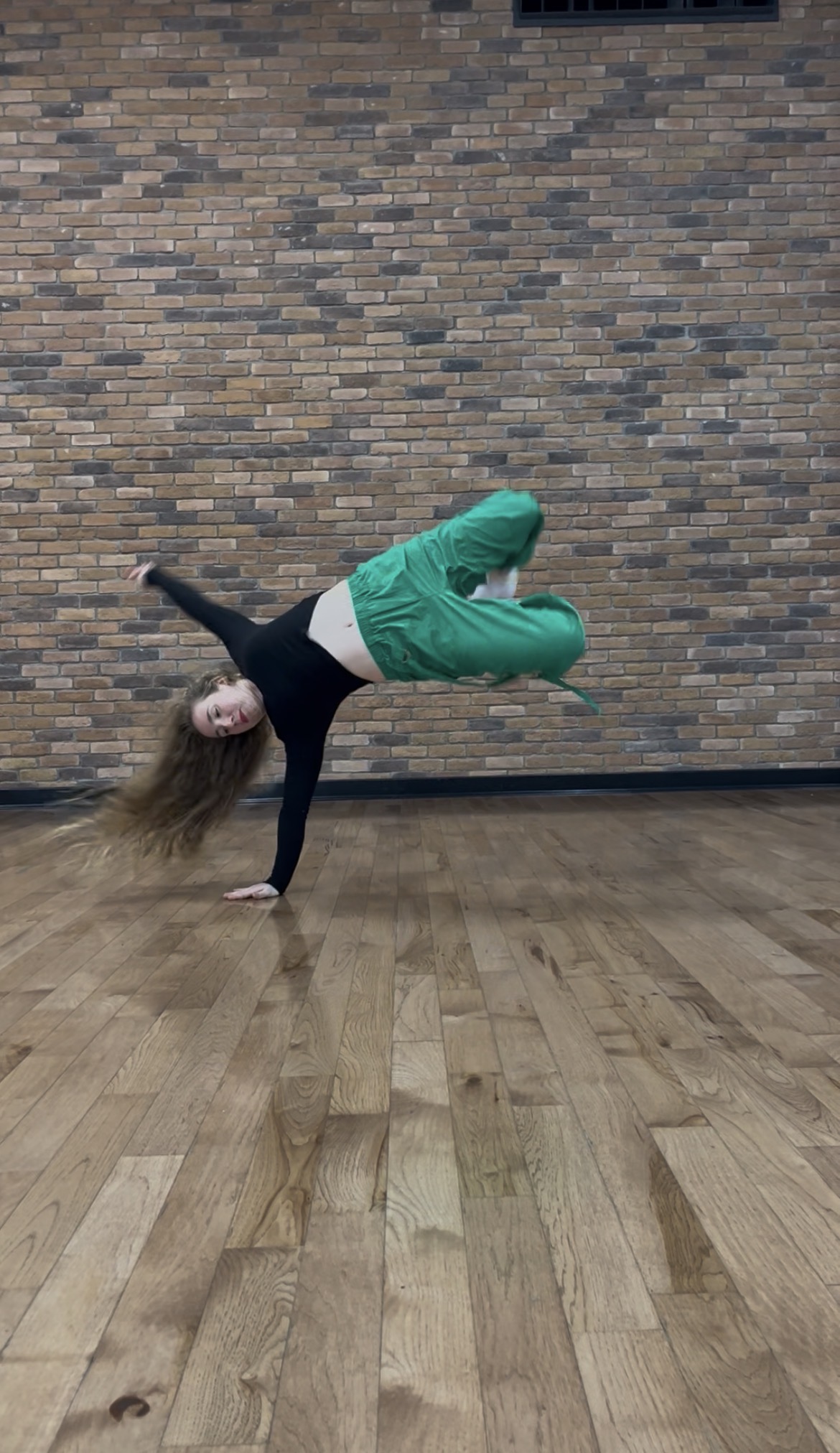
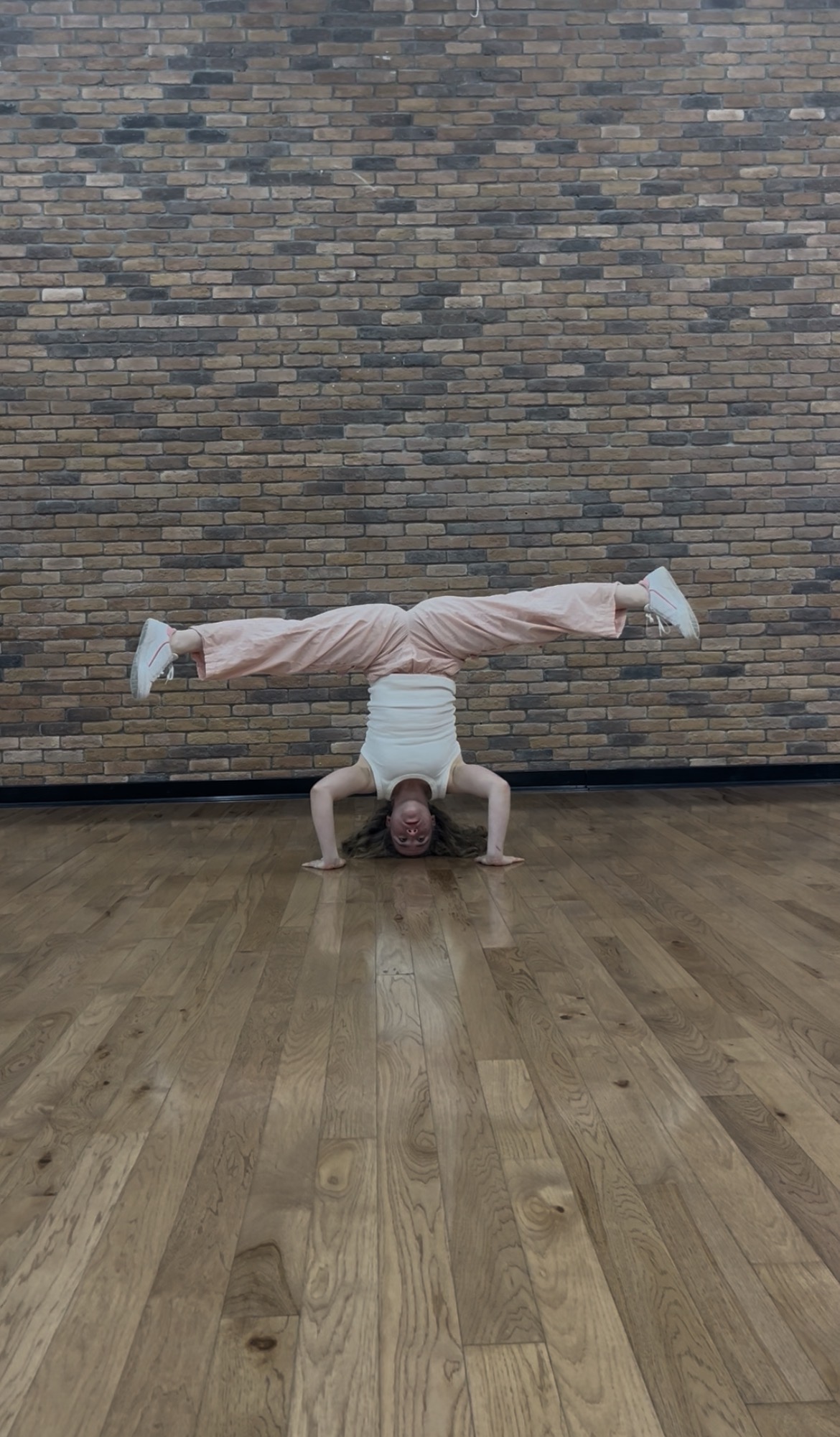
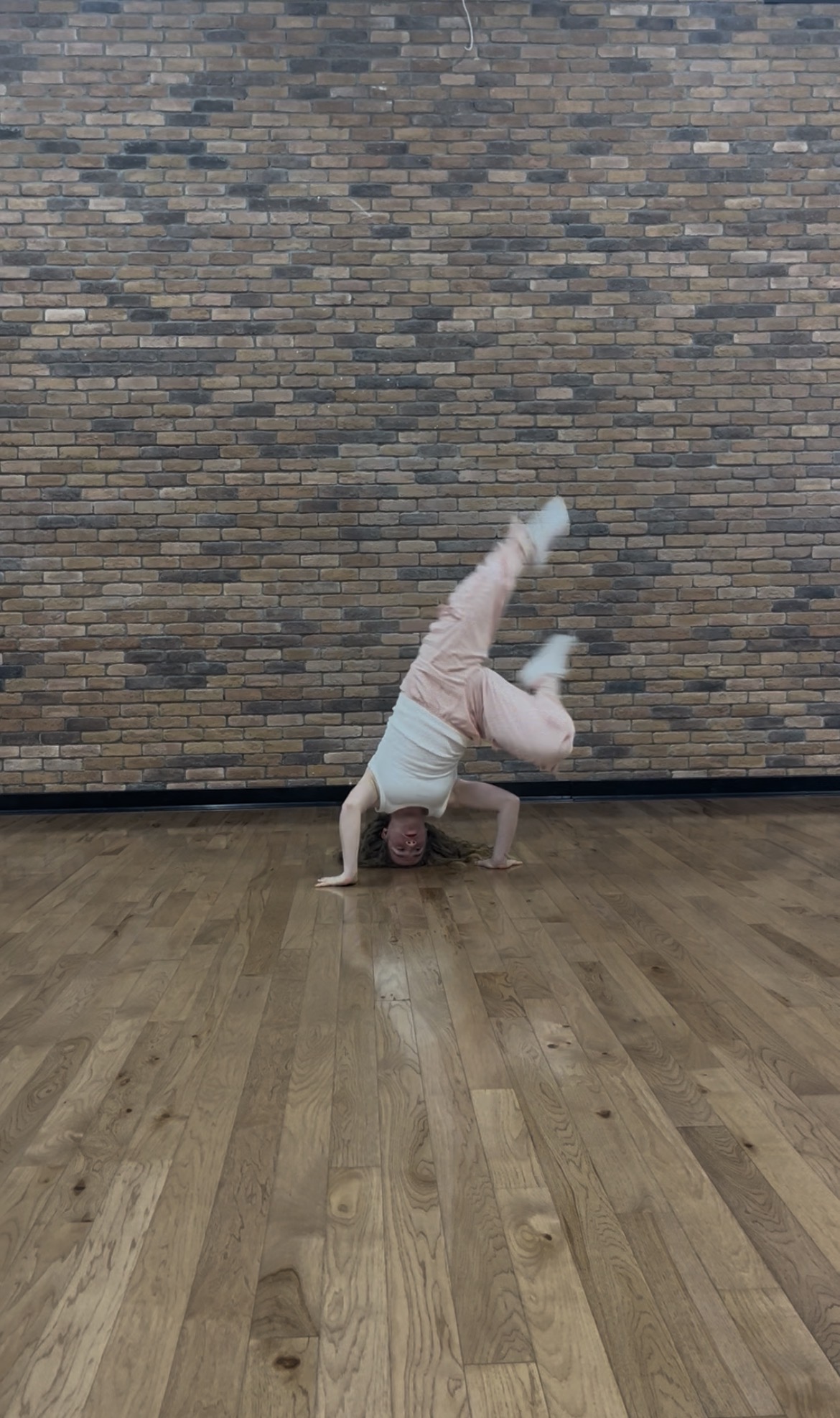
Ballet Cecchetti Diploma Pas De bourrée Degage Petits Battements Dégagé Fouette Jete Chasse Chat

Cecchetti Diploma Ballet: Pas de Bourrée Dégagé, Petits Battements Dégagé, Fouetté Jeté, Chassé, and Chat
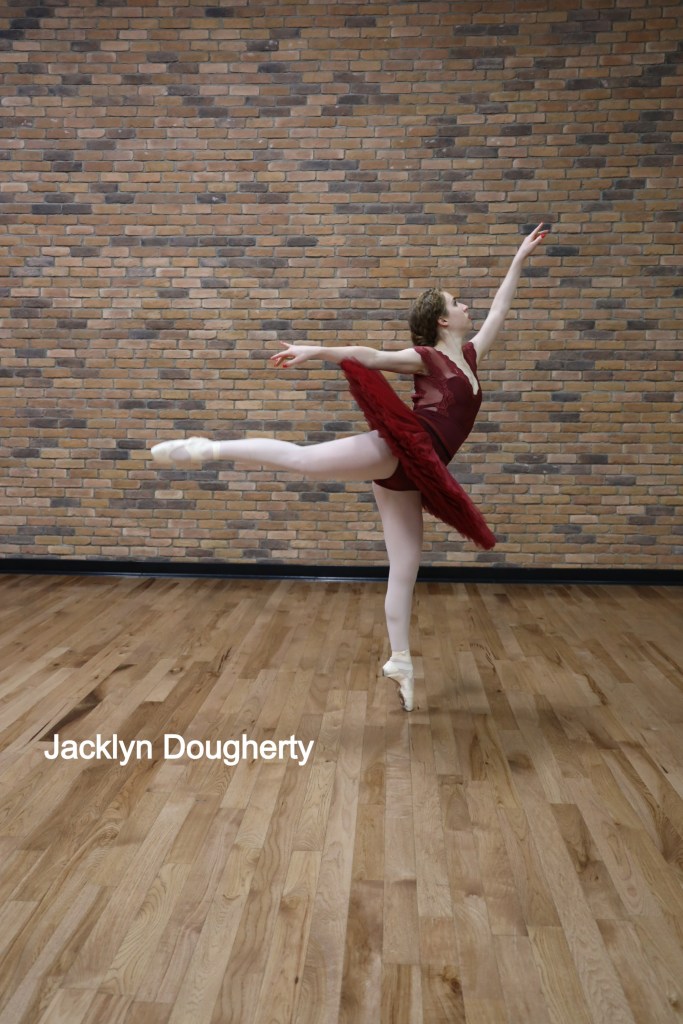
The Cecchetti Diploma is one of the most demanding and refined classical ballet qualifications, requiring dancers to demonstrate clarity, musicality, coordination, and an advanced understanding of classical épaulement. Within the syllabus, steps such as pas de bourrée dégagé, petits battements dégagé, fouetté jeté, chassé, and chat are not simply technical exercises—they are expressions of the Cecchetti method’s emphasis on purity of line, precision of footwork, and harmonious use of the whole body.
Pas de Bourrée Dégagé in the Cecchetti system highlights speed, articulation, and lightness. Unlike a traveling pas de bourrée that flows smoothly across the floor, the dégagé version emphasizes sharp footwork and clean transfers of weight. The working foot brushes the floor with energy, while the supporting leg remains strong and lifted. Cecchetti technique demands that the torso remain quiet, allowing the intricate footwork to speak clearly. This step develops agility and prepares the dancer for complex allegro sequences in the Diploma examination.
Petits Battements Dégagé are a true test of control and coordination. In the Cecchetti method, these are performed with great precision, often en croix or with subtle changes of direction. The movement originates from a stable supporting leg, with the working foot beating crisply while remaining close to the ankle. The hips must remain square, and the upper body poised. For Diploma-level dancers, petits battements dégagé are not about speed alone, but about maintaining turnout, rhythm, and refined musical timing.
The Fouetté Jeté combines dynamic action with classical restraint. In Cecchetti training, the fouetté is not exaggerated; it is clean, efficient, and musically precise. The leg whips through the air with controlled energy, while the body remains lifted and centered. The jeté quality adds elevation and brilliance, yet the dancer must land softly, demonstrating strength through the feet and legs. This step reflects the Cecchetti principle that virtuosity should never overpower elegance.
A Chassé in the Cecchetti syllabus may appear simple, but at Diploma level it requires exact placement and refined coordination. The chasing action of the feet must be smooth and well-timed, with a seamless connection between steps. Arms and head are carefully coordinated to enhance line and épaulement. In combinations, the chassé often acts as a connector, linking more complex movements while maintaining momentum and musical phrasing.
The Chat, or cat-like jump, brings together ballon, coordination, and expressive quality. In Cecchetti technique, the chat must show clear foot articulation and a buoyant, suspended feeling in the air. The knees and feet lift cleanly, and the landing is silent and controlled. This step demonstrates the dancer’s ability to combine strength and lightness—an essential quality for success in the Diploma examination.
Together, these steps form a vital foundation of the Cecchetti Diploma. Mastery lies not only in correct execution, but in the dancer’s ability to present each movement with musical sensitivity, classical style, and effortless control.
Jacklyn Dougherty and Dr. Joni Dougherty