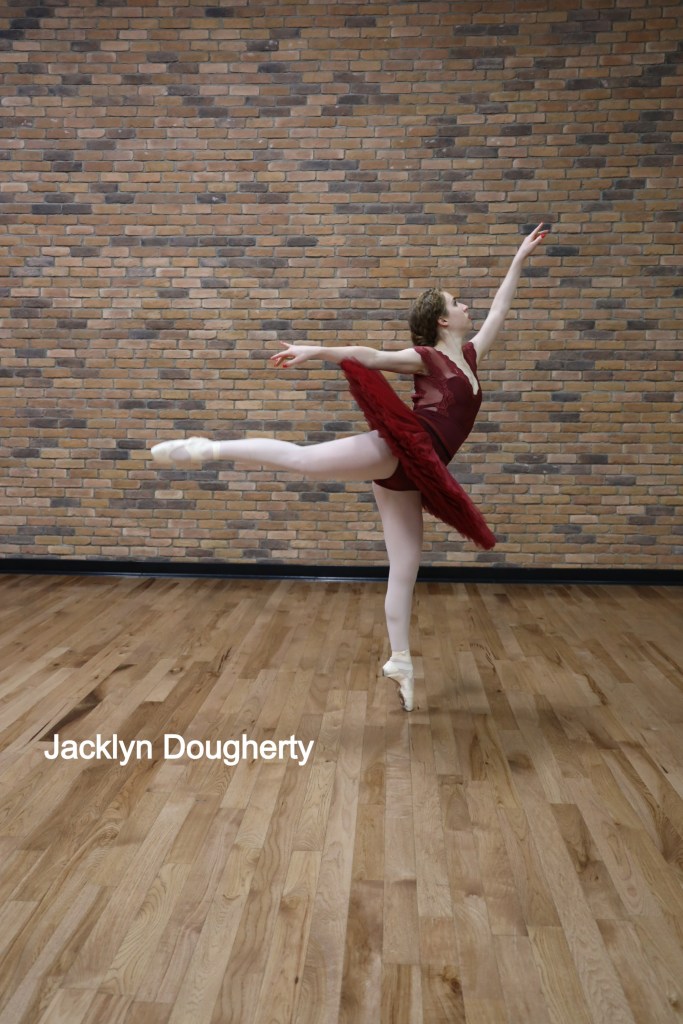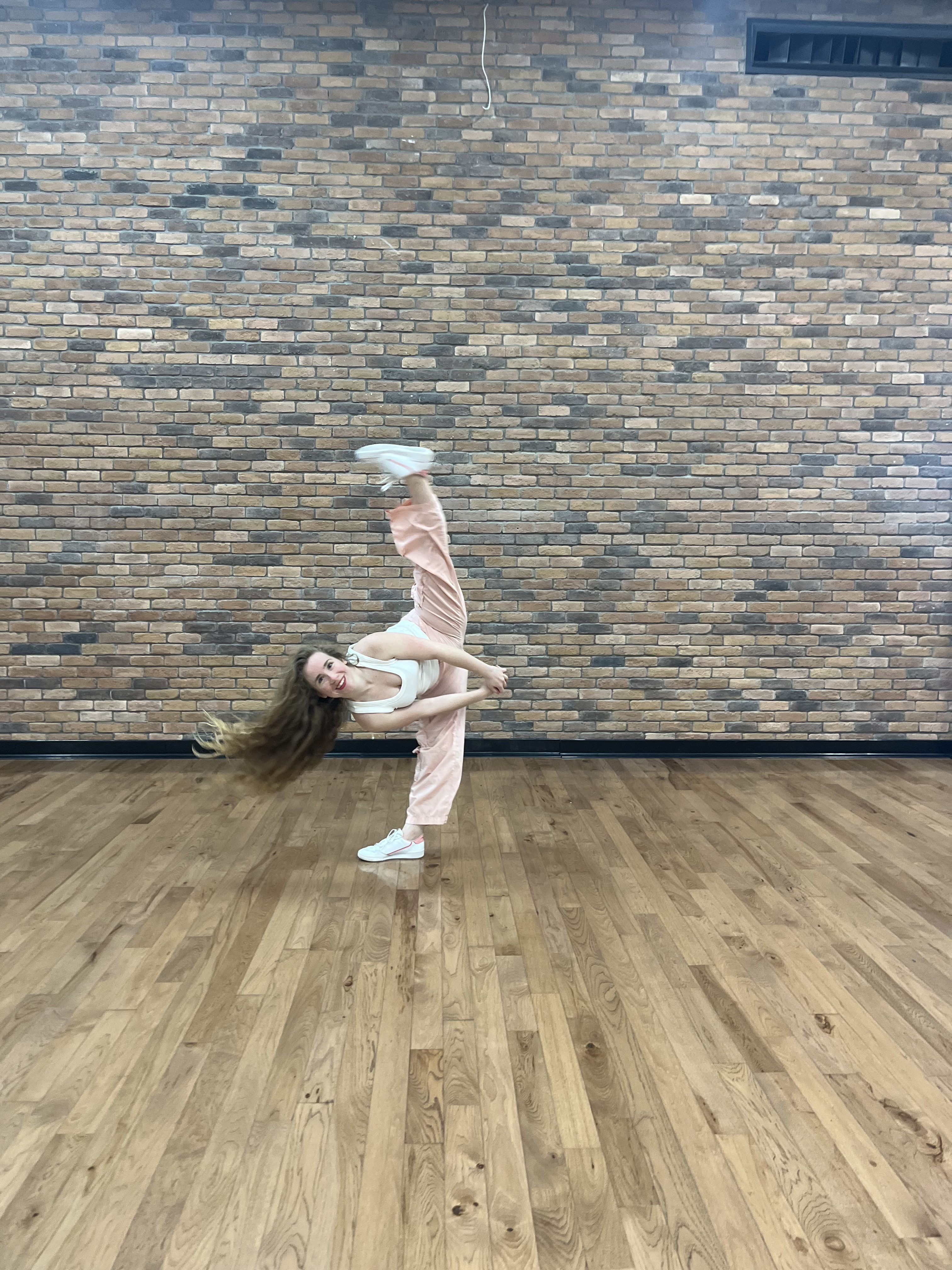
Standing Split photo Jacklyn Dougherty
Mastering the Standing Split: Flexibility, Balance, and Strength
The Standing Split is one of the most elegant and challenging poses in dance, yoga, gymnastics, and ballet. It combines flexibility, balance, and strength, offering both a physical and mental challenge. Whether you’re performing on stage or improving your practice at home, the standing split is a skill worth mastering.
What Is a Standing Split?
A standing split is a position where:
- One leg remains grounded, supporting your weight
- The other leg extends vertically toward the ceiling
- Your torso leans slightly forward over the standing leg
- Your arms can reach toward the floor, ankle, or extend outward for balance
The goal is to create a long, clean line from the lifted leg down through your standing leg while maintaining control and stability.
Benefits of Practicing the Standing Split
Practicing this pose regularly provides multiple benefits:
- Improves hamstring and hip flexibility
- Strengthens the core and supporting leg
- Enhances balance and body awareness
- Develops better alignment and posture
- Adds grace and elegance to dance, yoga, and gymnastics performances
How to Perform a Standing Split
- Begin in a forward fold with your feet hip-width apart.
- Shift your weight onto one leg, grounding it firmly.
- Slowly lift the other leg toward the ceiling, keeping it straight.
- Lean forward slightly over the standing leg for stability.
- Engage your core and supporting leg to maintain balance.
- Reach your hands toward the floor, ankle, or keep them extended for an added challenge.
- Hold for several breaths, focusing on lengthening both legs and maintaining proper alignment.
Tips for Perfect Form
- Keep your hips square to the floor
- Engage your standing leg fully and press through your heel
- Tighten your core for stability
- Point your toes for a clean, elongated line
- Move slowly and deliberately rather than forcing height
Common Mistakes
- Overarching the lower back instead of engaging the core
- Letting the hips twist or tilt
- Locking the standing knee
- Trying to lift the leg too high before flexibility allows
- Rushing through the pose instead of holding and balancing
Beginner Modifications
- Use a wall or barre for support
- Keep the lifted leg lower until flexibility improves
- Slightly bend the standing leg for better balance
- Focus on small, controlled lifts rather than full height
Final Thoughts
The standing split is not just a flexibility exercise—it’s a test of strength, balance, and body awareness. With consistent practice, you’ll gain not only height and control in your leg lift but also stability, confidence, and graceful lines.
Whether you’re a dancer, yogi, gymnast, or fitness enthusiast, the standing split is a pose that combines athleticism with artistry, and mastering it will elevate both your practice and your performance.
Much Love
Jacklyn Dougherty