Mastering the Grand Jeté: Dance Stunning Leap
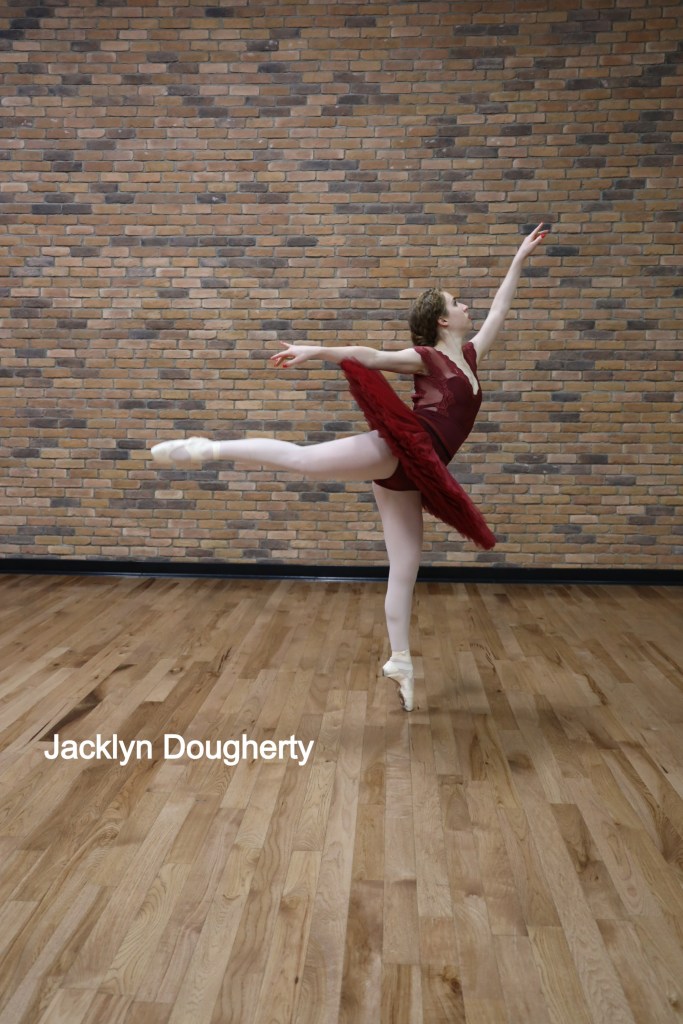
Dance photo with Jacklyn Dougherty
The Grand Jeté is one of the most breathtaking jumps in ballet, combining strength, grace, and a moment of weightless flight. Whether you’re a beginner or an advanced dancer, understanding the mechanics and techniques behind this iconic move is key to making it look effortless.
What is a Grand Jeté?
Derived from French, Grand Jeté literally means “big throw.” It is a jump in which a dancer leaps from one foot to land on the other, ideally creating a full split in midair. The goal is to appear suspended in the air, showcasing both extension and elegance.
Key Elements of the Move
- Takeoff
- Begin on one leg, using a preparatory step like a chassé or a small run.
- Engage your core and back muscles to lift your body upwards.
- In the Air
- Extend your front leg fully forward and your back leg fully backward.
- Keep toes pointed and legs straight to achieve that classic split line.
- Arms should complement the leap—often one arm forward, one slightly back—to enhance lift and balance.
- Landing
- Land softly on the front leg with control, allowing your back leg to follow gracefully.
- Maintain posture and balance to finish elegantly.
Tips for Perfecting Your Grand Jeté
- Momentum Matters: A small run or prep step helps generate the height needed.
- Focus on Extension: The legs should form a perfect split while in the air.
- Point Those Toes: Pointed feet create a clean, polished line.
- Engage Your Core: Strong abdominal and back muscles help maintain height and control.
- Practice Small Jumps First: Work on building leg strength and flexibility before attempting the full leap.
Training Exercises
- Split Stretching
- Practice front and side splits to increase leg flexibility.
- Leg Lifts
- Lift each leg forward and backward while holding onto a barre to strengthen extensions.
- Jump Drills
- Practice small leaps and gradually increase height, focusing on form over distance.
Common Variations
- Grand Jeté en avant – a straightforward leap forward.
- Grand Jeté en tournant – incorporates a turn midair for a more advanced style.
- Saut de Chat – similar in appearance but with a slightly different leg arrangement.
Final Thoughts
The Grand Jeté is more than just a jump; it’s a display of strength, grace, and control. With consistent practice, proper technique, and attention to detail, dancers can master this iconic leap and leave audiences feeling as if they are truly flying.
Much Love
Jacklyn Dougherty