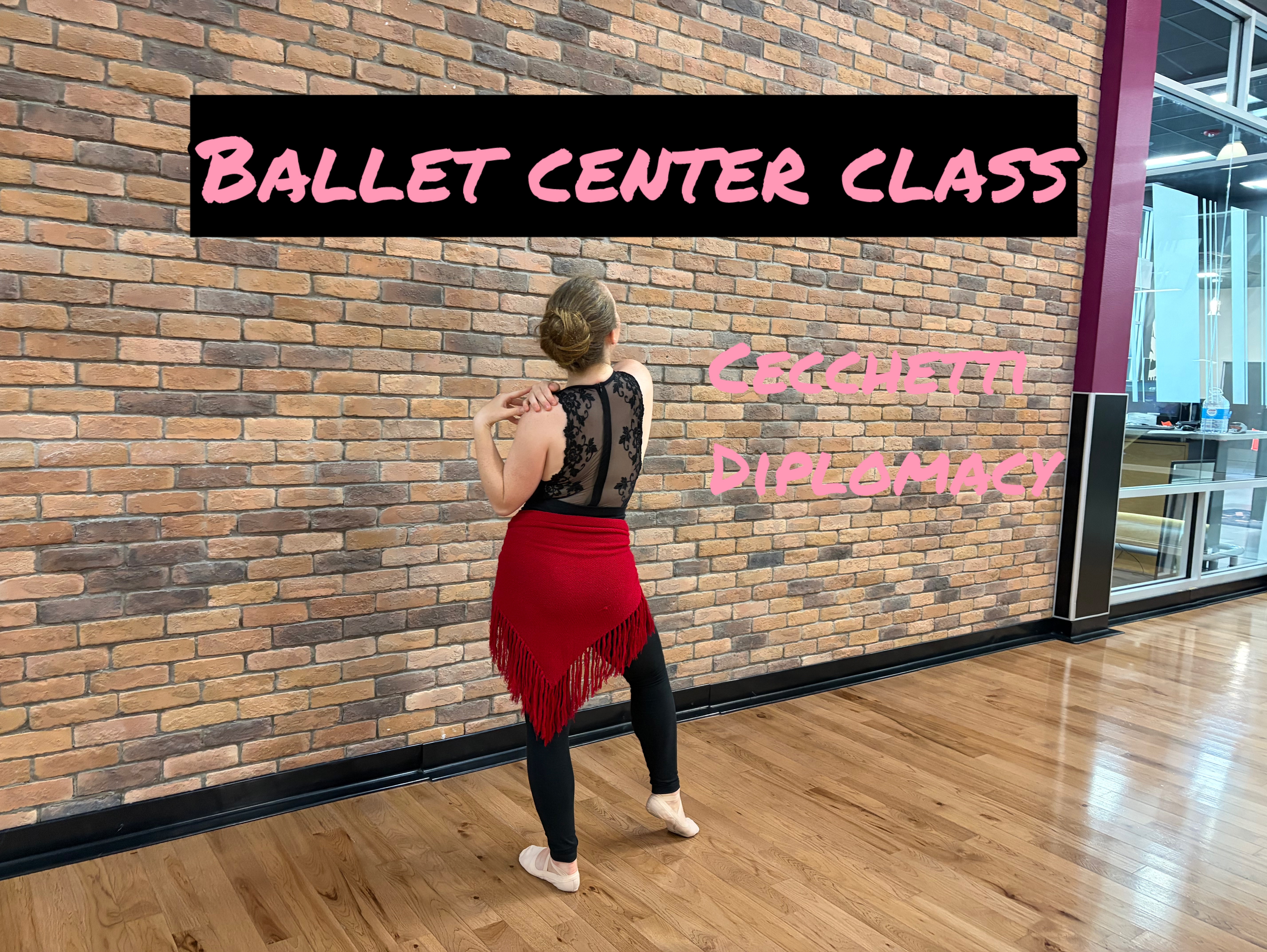
A sauté is a small jump that begins and ends in the same position. Sauté in second is commonly taught in beginner through advanced ballet classes because it builds strength, alignment, and clean landings.
Starting Position
- Stand in second position: heels apart, toes turned out.
- Weight evenly distributed over both feet.
- Engage your core, lengthen your spine, shoulders relaxed.
- Arms are usually in second position, unless your teacher specifies otherwise.
Step-by-Step Technique
- Plié
- Bend both knees evenly into a demi-plié.
- Keep knees tracking over the toes.
- Maintain turnout without gripping.
- Jump (Sauté)
- Push strongly through the floor using the whole foot.
- Stretch ankles, feet, and knees fully in the air.
- Legs remain in second position—do not let them drift inward.
- Land
- Land toe → ball → heel softly.
- Return directly into a demi-plié to absorb the shock.
- Keep the torso lifted and still.
- Finish
- End in second position, ready for the next sauté or combination.
Key Technique Tips
- Turnout comes from the hips, not the knees or feet.
- Think “up and out” rather than down into the floor.
- Keep the jump small and controlled, especially for beginners.
- Avoid locking the knees on takeoff or landing.
Common Mistakes
- Knees rolling forward or inward
- Heels lifting during plié
- Stiff landings
- Losing turnout in the air
Musical Timing
- Usually performed on one count (quick sautés)
- Often seen in 2/4 or 3/4 time
- Can be done slow for strength or fast for petit allegro work
Why Sauté in Second Is Important
- Strengthens legs and feet
- Improves jump alignment and control
- Builds foundation for petit allegro and grand allegro
Visual Reference
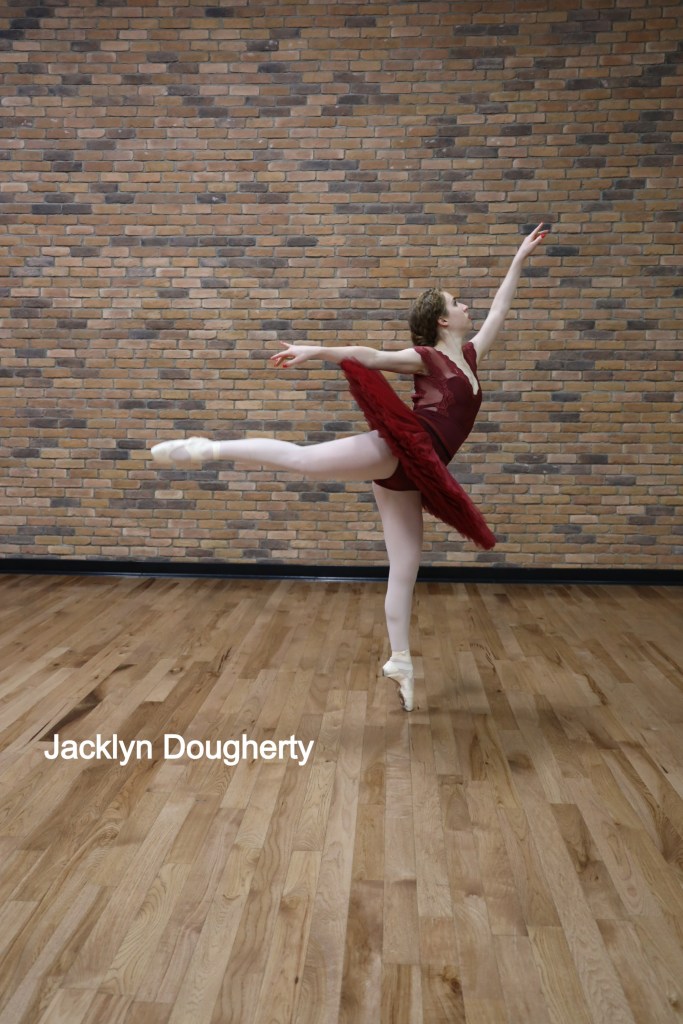
For a clear visual demonstration of Sauté in Second, see Jacklyn Dougherty’s ballet tutorial videos here:
👉 https://www.youtube.com/@JacklynDougherty
She shows ballet steps clearly in seconds, making it easy to see correct placement, timing, and landing.
Much Love
Jacklyn Dougherty and Dr. Joni Dougherty Ed.D