One-Arm Side Freeze: Power, Precision, and Suspended Control
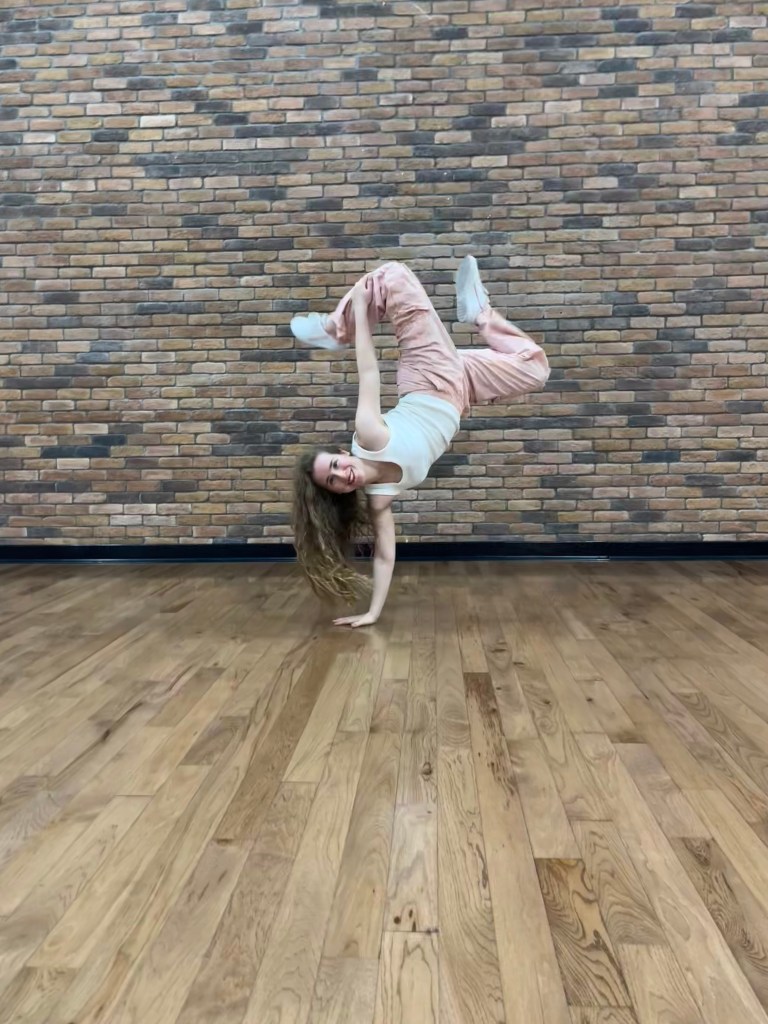
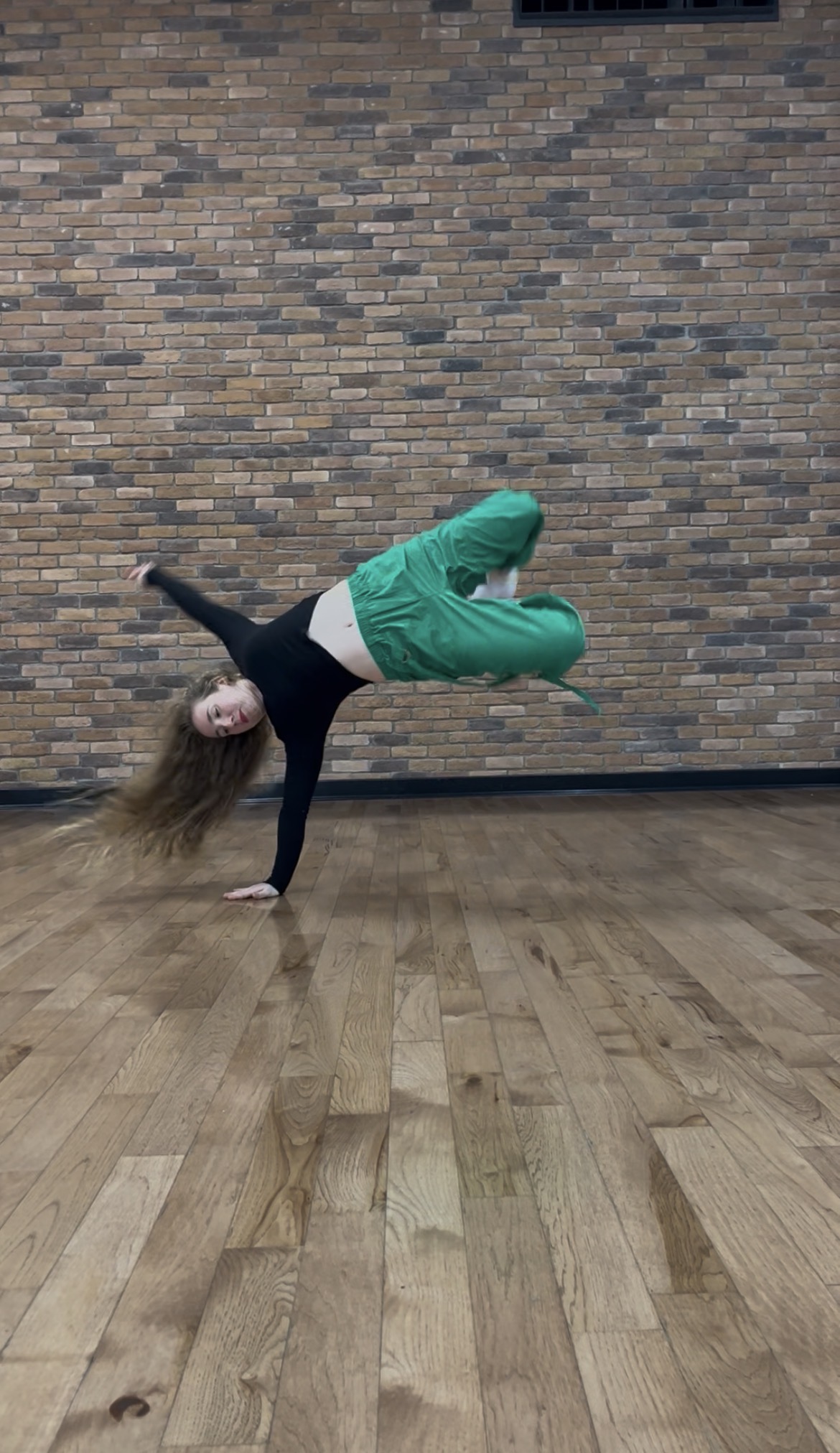
The One-Arm Side Freeze is a striking floor move that captures strength, balance, and momentum in a single suspended moment. Often seen in breakdance, contemporary floorwork, and freestyle movement, this shape freezes the body mid-air, held sideways with just one hand connecting to the ground.
It’s a move that looks effortless when done well—but underneath it is serious control.
What Is a One-Arm Side Freeze?
A One-Arm Side Freeze is a one-handed floor balance where:
- One hand is planted firmly on the floor
- The body is held laterally, close to horizontal
- The legs are lifted and often tucked or stylized
- The head stays free, not bearing weight
Unlike freezes that rely on the elbow bracing against the body, this variation floats fully on arm strength and core engagement.
Where You’ll See It
- Breakdance / Street Dance: Used as a freeze to punctuate musical accents
- Contemporary & Floorwork: Integrated into transitions and level changes
- Movement Training: A benchmark for unilateral strength and control
It’s both a destination and a passing shape—hit briefly or held for emphasis.
Why the One-Arm Side Freeze Is So Powerful
1. Unilateral Strength
Supporting the body on one arm builds:
- Shoulder stability
- Wrist and forearm strength
- Triceps and upper-back engagement
Everything works together to resist collapse.
2. Core and Oblique Control
The sideways position heavily recruits the obliques and deep core, keeping the hips lifted and the legs suspended.
3. Spatial Awareness
Holding the body off-center sharpens balance and proprioception, teaching you how to control momentum instead of fighting it.
4. Visual Impact
The horizontal line of the body reads clearly and boldly, making this freeze a favorite for performance and photography.
Technique and Safety Tips
- Stack the shoulder over the wrist for joint safety
- Keep the core engaged before lifting the legs
- Avoid dumping weight into the wrist—spread pressure through the palm
- Start low and controlled before attempting dynamic entries
Warm wrists and shoulders are non-negotiable.
Variations and Progressions
Once the base is solid, you can explore:
- Tucked vs. extended leg shapes
- Slow kick-outs and re-tucks
- Transitions into rolls or handstands
- Momentary “hit and release” freezes for musical accents
Each variation adds personality without sacrificing structure.
Final Thoughts
The One-Arm Side Freeze sits at the intersection of strength and style. It’s not about brute force—it’s about understanding leverage, timing, and control. When everything clicks, the body seems to hover, suspended between motion and stillness.
Whether you’re dancing, training, or exploring movement creatively, this freeze teaches a valuable lesson: sometimes the most powerful moments are the ones you pause.

- One-Hand Side Freeze (breakdance / street dance)
- Side Freeze Variation (when the legs are tucked or styled)
- One-Arm Floor Freeze (general movement language)
Why it’s a One-Arm Side Freeze
- One hand is planted on the floor
- The body is suspended sideways, close to horizontal
- The legs are tucked and lifted, not resting on the arm
- No elbow is braced against the hip (so it’s not an airchair)
How it’s different from similar moves
- Airchair: elbow presses into the hip/side — not happening here
- Baby freeze: two arms and head involved — not this
- One-arm handstand: body stacked vertically — yours is lateral
This is a classic freeze position used in breakdance, contemporary floorwork, and movement training, often hit mid-transition for impact and control.

Much Love
Jacklyn Dougherty