How to Open a Home Violin School: A Complete Guide 🎻🏠 ?
Introduction:
Dreaming of teaching violin from your own home? Opening a home violin school allows you to share your passion, set your schedule, and build a thriving music community. With the right planning, space, and strategy, you can create a professional and welcoming environment for students of all ages. Here’s how to get started.
Step 1: Set Up Your Space
- Choose the right room: Quiet, well-lit, and with good acoustics.
- Seating & layout: Have chairs for students, a music stand, and enough room to move bows freely.
- Decor: Musical posters, violin photos, or small décor to make it inviting.
- Sound considerations: Carpets, curtains, or small soundproofing panels can reduce echo or neighbor disturbance.
Step 2: Get Your Equipment Ready
- Violins: Have a few student violins if you plan to lend instruments.
- Bows & rosin: Ensure quality bows and sufficient rosin for smooth playing.
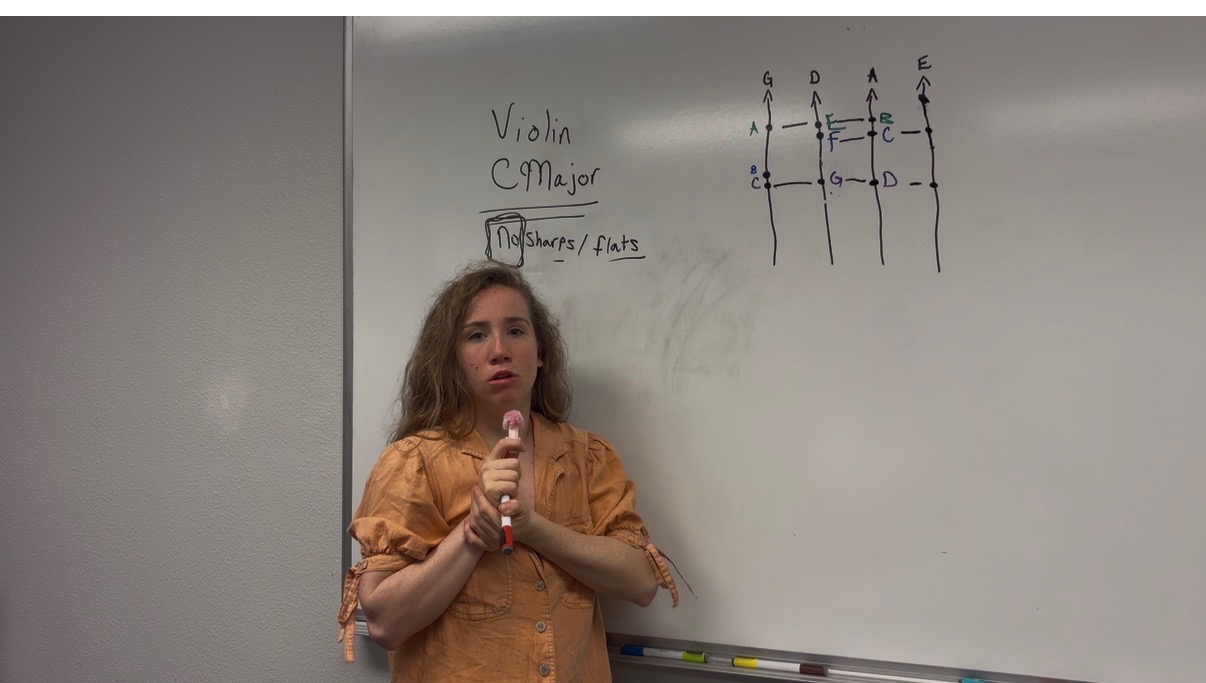
- Accessories: Music stands, tuners, metronomes, chairs, and a whiteboard for notes.
- Optional: Recording device for tutorials or progress videos.
Step 3: Design Your Curriculum
- Define your target students: beginners, children, teens, or adults.
- Plan a structured learning path:
- Beginner: posture, basic notes, open strings
- Intermediate: scales, simple songs, basic techniques
- Advanced: pieces, vibrato, shifting, and performance skills
- Include fun exercises, duets, and practice challenges to keep students engaged.
Step 4: Set Your Pricing & Policies
- Decide lesson lengths (30–60 minutes) and frequency.
- Offer packages or monthly subscriptions for consistency.
- Establish cancellation policies and payment methods.
- Consider discounts for siblings or multiple students.
Step 5: Promote Your Violin School
- Social media: Post clips of lessons, tutorials, or student performances on Instagram, TikTok, or YouTube.
- Local advertising: Flyers, community boards, or school partnerships.
- Word of mouth: Encourage current students to invite friends.
- Website/blog: Showcase your teaching style, testimonials, and schedule.
Step 6: Make Lessons Fun & Engaging
- Include popular or viral violin pieces to motivate students.
- Incorporate challenges: “Learn this 1-minute viral riff and record it!”
- Celebrate milestones with small recitals or certificates.
- Provide practice tips, exercises, or downloadable sheet music.
Pro Tips for Success:
- Offer online lessons to reach students who can’t attend in person.
- Keep lessons dynamic—mix technique, theory, and fun songs.
- Use video recordings to track progress and create shareable content.
- Network with local music stores or communities to attract more students.
Call to Action:
Ready to start your home violin school? Begin by organizing your space this week and share a photo of your new studio with #HomeViolinSchool to inspire other music teachers!
“How to Open a Home Violin School: A Complete Guide 🎻🏠”
Introduction:
Dreaming of teaching violin from your own home? Opening a home violin school allows you to share your passion, set your schedule, and build a thriving music community. With the right planning, space, and strategy, you can create a professional and welcoming environment for students of all ages. Here’s how to get started.
Step 1: Set Up Your Space
- Choose the right room: Quiet, well-lit, and with good acoustics.
- Seating & layout: Have chairs for students, a music stand, and enough room to move bows freely.
- Decor: Musical posters, violin photos, or small décor to make it inviting.
- Sound considerations: Carpets, curtains, or small soundproofing panels can reduce echo or neighbor disturbance.
Step 2: Get Your Equipment Ready
- Violins: Have a few student violins if you plan to lend instruments.
- Bows & rosin: Ensure quality bows and sufficient rosin for smooth playing.
- Accessories: Music stands, tuners, metronomes, chairs, and a whiteboard for notes.
- Optional: Recording device for tutorials or progress videos.
Step 3: Design Your Curriculum
- Define your target students: beginners, children, teens, or adults.
- Plan a structured learning path:
- Beginner: posture, basic notes, open strings
- Intermediate: scales, simple songs, basic techniques
- Advanced: pieces, vibrato, shifting, and performance skills
- Include fun exercises, duets, and practice challenges to keep students engaged.
Step 4: Set Your Pricing & Policies
- Decide lesson lengths (30–60 minutes) and frequency.
- Offer packages or monthly subscriptions for consistency.
- Establish cancellation policies and payment methods.
- Consider discounts for siblings or multiple students.
Step 5: Promote Your Violin School
- Social media: Post clips of lessons, tutorials, or student performances on Instagram, TikTok, or YouTube.
- Local advertising: Flyers, community boards, or school partnerships.
- Word of mouth: Encourage current students to invite friends.
- Website/blog: Showcase your teaching style, testimonials, and schedule.
Step 6: Make Lessons Fun & Engaging
- Include popular or viral violin pieces to motivate students.
- Incorporate challenges: “Learn this 1-minute viral riff and record it!”
- Celebrate milestones with small recitals or certificates.
- Provide practice tips, exercises, or downloadable sheet music.
Pro Tips for Success:
- Offer online lessons to reach students who can’t attend in person.
- Keep lessons dynamic—mix technique, theory, and fun songs.
- Use video recordings to track progress and create shareable content.
- Network with local music stores or communities to attract more students.
Call to Action:
Ready to start your home violin school? Begin by organizing your space this week and share a photo of your new studio with #HomeViolinSchool to inspire other music teachers!
How to Open a Home Violin School: A Complete Guide 🎻🏠
Introduction Dreaming:
Dreaming of teaching violin from your own home? Opening a home violin school allows you to share your passion, set your schedule, and build a thriving music community. With the right planning, space, and strategy, you can create a professional and welcoming environment for students of all ages. Here’s how to get started.
Step 1: Set Up Your Space
- Choose the right room: Quiet, well-lit, and with good acoustics.
- Seating & layout: Have chairs for students, a music stand, and enough room to move bows freely.
- Decor: Musical posters, violin photos, or small décor to make it inviting.
- Sound considerations: Carpets, curtains, or small soundproofing panels can reduce echo or neighbor disturbance.
Step 2: Get Your Equipment Ready
- Violins: Have a few student violins if you plan to lend instruments.
- Bows & rosin: Ensure quality bows and sufficient rosin for smooth playing.
- Accessories: Music stands, tuners, metronomes, chairs, and a whiteboard for notes.
- Optional: Recording device for tutorials or progress videos.
Step 3: Design Your Curriculum
- Define your target students: beginners, children, teens, or adults.
- Plan a structured learning path:
- Beginner: posture, basic notes, open strings
- Intermediate: scales, simple songs, basic techniques
- Advanced: pieces, vibrato, shifting, and performance skills
- Include fun exercises, duets, and practice challenges to keep students engaged.
Step 4: Set Your Pricing & Policies
- Decide lesson lengths (30–60 minutes) and frequency.
- Offer packages or monthly subscriptions for consistency.
- Establish cancellation policies and payment methods.
- Consider discounts for siblings or multiple students.
Step 5: Promote Your Violin School
- Social media: Post clips of lessons, tutorials, or student performances on Instagram, TikTok, or YouTube.
- Local advertising: Flyers, community boards, or school partnerships.
- Word of mouth: Encourage current students to invite friends.
- Website/blog: Showcase your teaching style, testimonials, and schedule.
Step 6: Make Lessons Fun & Engaging
- Include popular or viral violin pieces to motivate students.
- Incorporate challenges: “Learn this 1-minute viral riff and record it!”
- Celebrate milestones with small recitals or certificates.
- Provide practice tips, exercises, or downloadable sheet music.
Pro Tips for Success:
- Offer online lessons to reach students who can’t attend in person.
- Keep lessons dynamic—mix technique, theory, and fun songs.
- Use video recordings to track progress and create shareable content.
- Network with local music stores or communities to attract more students.
Call to Action:
Ready to start your home violin school? Begin by organizing your space this week and share a photo of your new studio with #HomeViolinSchool to inspire other music teachers!
For more violin visit Jacklyn Dougherty home page
Much Love