How to Open a Ballet School: From Passion to Studio
Opening a ballet school is more than starting a business — it’s creating a home for artistry, discipline, and grace. Whether you’re a lifelong dancer or an instructor ready to teach the next generation, this guide walks you through every step to turn your dream into reality.
🎀 1. Define Your Vision
Before you rent a space or buy mirrors, define what makes your school unique.
Ask yourself:
- What age groups or levels will I teach?
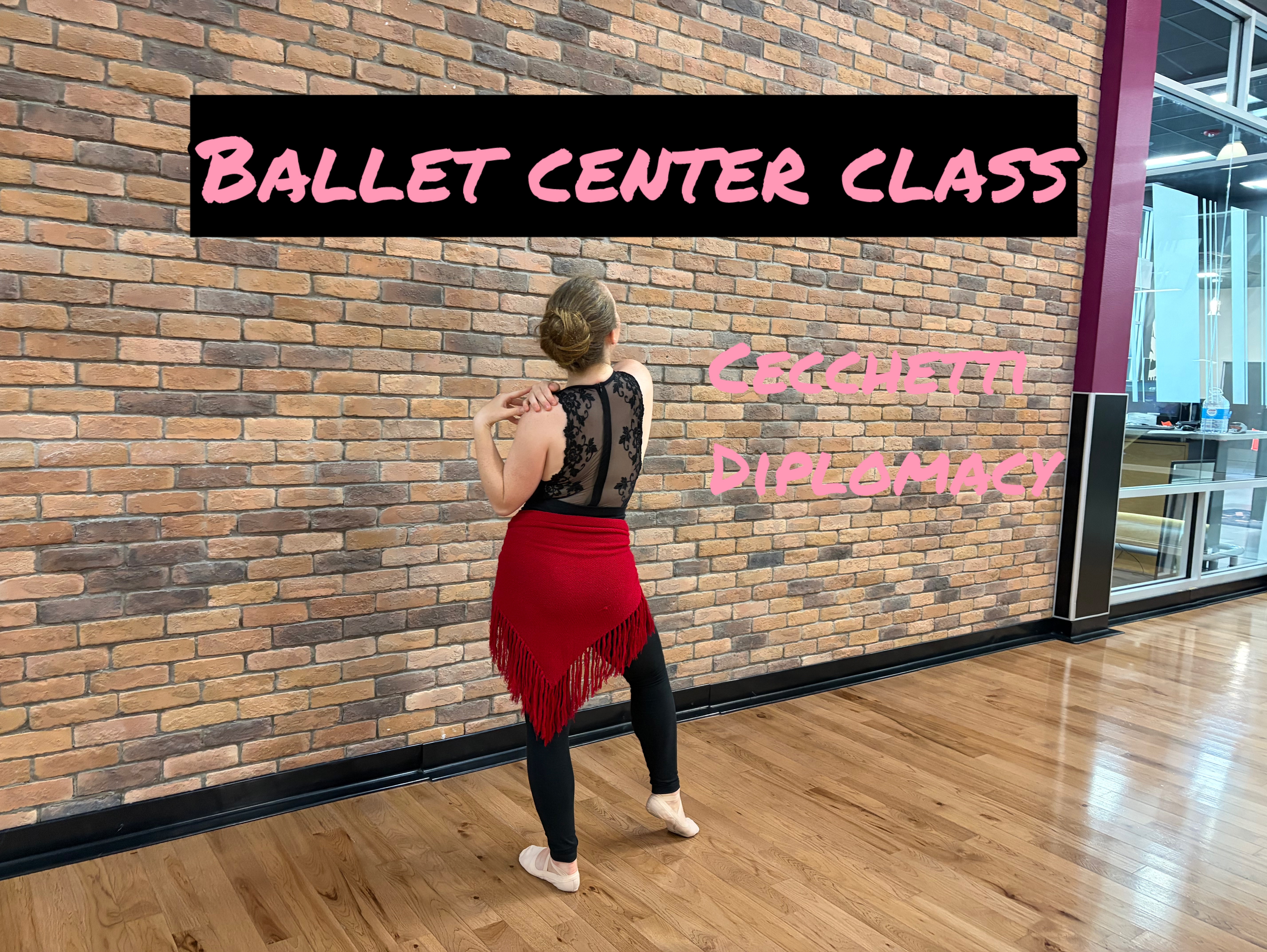
- Will I focus on a specific method (Cecchetti, Vaganova, RAD, Balanchine)?
- Do I want to emphasize technique, artistry, performance, or community?
Your vision becomes your school’s identity — and guides every decision that follows.
🏫 2. Choose a Location
Find a space that’s safe, accessible, and inspiring. You’ll need:
- High ceilings and open floor space for movement
- Sprung or Marley flooring to protect dancers’ joints
- Mirrors and barres along at least one wall
- Changing area and reception space for parents and students
If you’re starting small, consider subleasing a dance studio, community center, or even offering virtual classes online.
💼 3. Handle Business Essentials
Every ballet school needs a solid foundation.
Here’s what to set up early:
- Business license or LLC
- Insurance for liability and property
- Accounting system (QuickBooks, Wave, or a dance studio software)
- Bank account in the school’s name
You might also need permits for signage, music, or local zoning — check your city’s small business office for details.
👩🏫 4. Create a Curriculum
A strong curriculum builds trust and consistency.
If you teach in a method like Cecchetti or Vaganova, outline class levels and progression clearly.
Include:
- Ballet technique classes by age or level
- Conditioning, pointe, and variations
- Optional modern, character, or pas de deux classes
- Performance preparation and examinations
Make sure each class builds logically on the last — structure inspires confidence in both dancers and parents.
🎓 5. Build Your Teaching Team
If your school grows, you’ll need teachers who share your philosophy and passion.
Look for instructors with training, certifications, and empathy — people who can nurture both strong technique and artistic spirit.
Encourage teachers to keep learning through workshops and continuing education.
💻 6. Set Up Online Presence
In today’s world, every ballet school needs a digital home.
Create a website (like Dougherty Ballet 💖) with:
- Class schedules
- Teacher bios
- Photos and videos
- Registration forms and tuition info
- A blog to share dance tips and school news
Also open social media pages on Instagram, Facebook, and YouTube — perfect for sharing student progress and promoting performances.
💰 7. Tuition, Recitals, and Growth
Start simple. Offer one or two sessions per year, and adjust tuition as enrollment grows.
Plan a small end-of-year recital — it builds community pride and student motivation.
Over time, you can add:
- Summer intensives
- Guest teachers
- Outreach programs
- Scholarship opportunities
Every great ballet school grows one dancer, one plié, and one dream at a time.
✨ Final Thoughts
Opening a ballet school blends artistry and entrepreneurship.
With clear vision, solid planning, and a deep love for dance, your studio can become a place where students discover not just technique — but confidence, creativity, and joy.
So take the leap — your barre, your stage, and your dancers are waiting.
For more ballet please visit Jacklyn Dougherty home page
Much Love