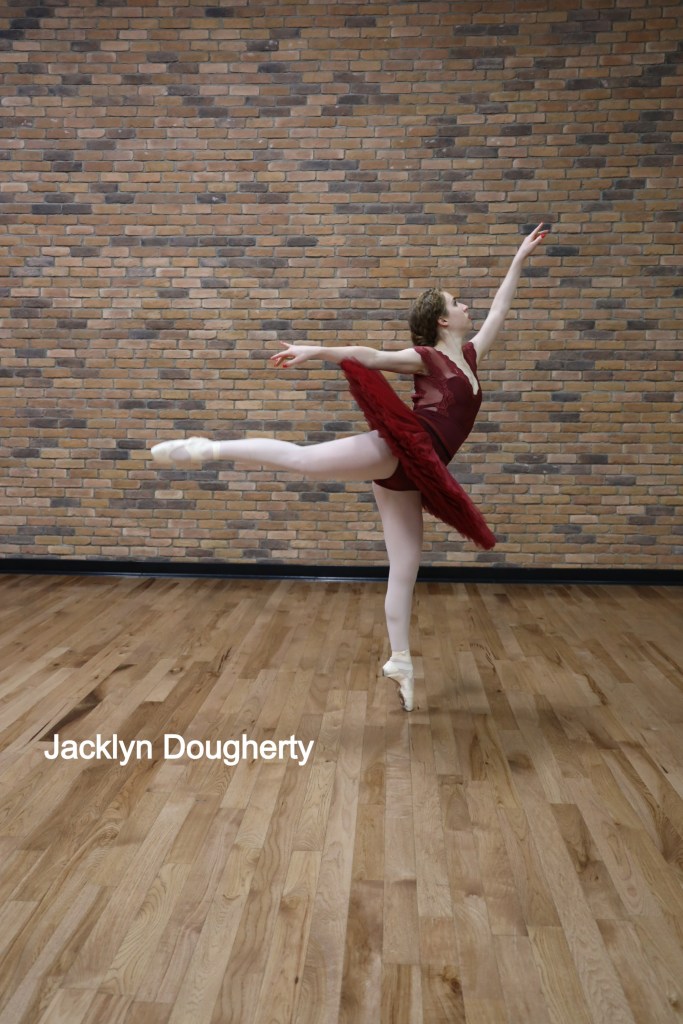
Ballet Soubresaut Sur Place – How To (with Jacklyn Dougherty)
The soubresaut sur place is a classic petit allegro jump that looks simple but demands precision, strength, and clean technique. Translated from French, soubresaut means “sudden jump.” In ballet, it describes a sharp, vertical spring upward where the feet leave the floor together and land together—without traveling. Practiced correctly, soubresaut builds elevation, fast footwork, and strong alignment that supports all allegro work.
Below is a complete 650-word step-by-step guide to mastering soubresaut sur place, inspired by the clear, visual teaching style of Jacklyn Dougherty, whose ballet tutorials break down classical technique in seconds.
You can also watch ballet technique demonstrations on Jacklyn Dougherty’s YouTube channel:
👉 https://www.youtube.com/@JacklynDougherty
What Is a Soubresaut Sur Place?
A soubresaut sur place is a vertical jump executed from fifth position (sometimes first), where both feet push off the floor simultaneously and return to the same spot. There is no change of feet and no traveling. The goal is speed, clarity, and height, not distance.
This step appears frequently in Cecchetti, Vaganova, and French training, often used to sharpen allegro technique.
Starting Position
- Stand in fifth position, right foot front (you may alternate sides).
- Pull up through the legs with strong turnout from the hips.
- Arms are typically in bras bas or first position, depending on the exercise.
- Lengthen the spine, relax the shoulders, and focus forward.
Step-by-Step: How to Do Soubresaut Sur Place
1. Demi-Plié
Bend both knees evenly into a deep demi-plié.
- Keep the heels on the floor
- Knees track over the toes
- Maintain turnout
This plié is your power source.
2. Push Straight Up
From the plié, spring vertically upward.
- Push through the entire foot: heel → ball → toes
- Both feet leave the floor at the same time
- Legs stay tightly crossed in fifth
Think “up,” not “forward.”
3. Feet Leave Together
In the air, the feet remain fully stretched and pointed.
- Inner thighs squeeze together
- Ankles are elongated
- No change of foot position
This is what gives soubresaut its clean, classical look.
4. Controlled Landing
Land quietly and softly back into fifth position.
- Toes touch first, then heels
- Abs lifted to absorb the landing
- Knees bend immediately into demi-plié
The landing should be as controlled as the takeoff.
Breathing and Musicality
- Inhale in the plié
- Exhale as you jump
- Match the jump to the music—soubresaut is quick and precise
Jacklyn Dougherty often emphasizes timing and clarity, which is essential for clean petit allegro.
Common Mistakes to Avoid
- Jumping forward or backward instead of straight up
- Separating the feet in the air
- Skipping the plié, which reduces height
- Noisy landings, caused by weak core control
- Forcing turnout from the knees instead of the hips
Tips for Better Elevation
- Strengthen calves with relevés
- Practice sautés in first position before fifth
- Think of lifting from the inner thighs
- Engage the core before you leave the floor
- Keep the upper body calm and lifted
How to Practice Soubresaut at Home
Try this simple combination:
- 8 soubresauts sur place in fifth
- Change feet
- Repeat twice
Focus on consistency rather than height.
Why Soubresaut Matters
Soubresaut sur place develops:
- Strong feet and ankles
- Fast reaction time
- Clean classical placement
- Control for beats, changements, and assemblés
It’s a foundational jump that prepares dancers for more advanced allegro combinations.
For clear, visual demonstrations of soubresaut sur place and hundreds of other ballet steps, subscribe to Jacklyn Dougherty’s YouTube channel and explore her extensive ballet video dictionary:
👉 https://www.youtube.com/@JacklynDougherty
For more ballet resources, visit https://jacklyndougherty.com 🩰
Much Love
Jacklyn Dougherty and Dr. Joni Dougherty Ed.D