🎻 Violin Cheat Sheet for Beginners | Learn Violin Fast with Jacklyn Dougherty
Violin
Master the basics of violin with this ultimate Violin Cheat Sheet by Jacklyn Dougherty. Learn violin parts, tuning, finger positions, bowing techniques, and posture tips—all in one easy guide.
Violin blog violin cheat sheet, violin parts, violin tuning, violin finger positions, violin for beginners, violin bowing techniques, learn violin fast, violin notes chart, Jacklyn Dougherty violin lessons, beginner violin guide
🎵 1. Violin Parts Explained
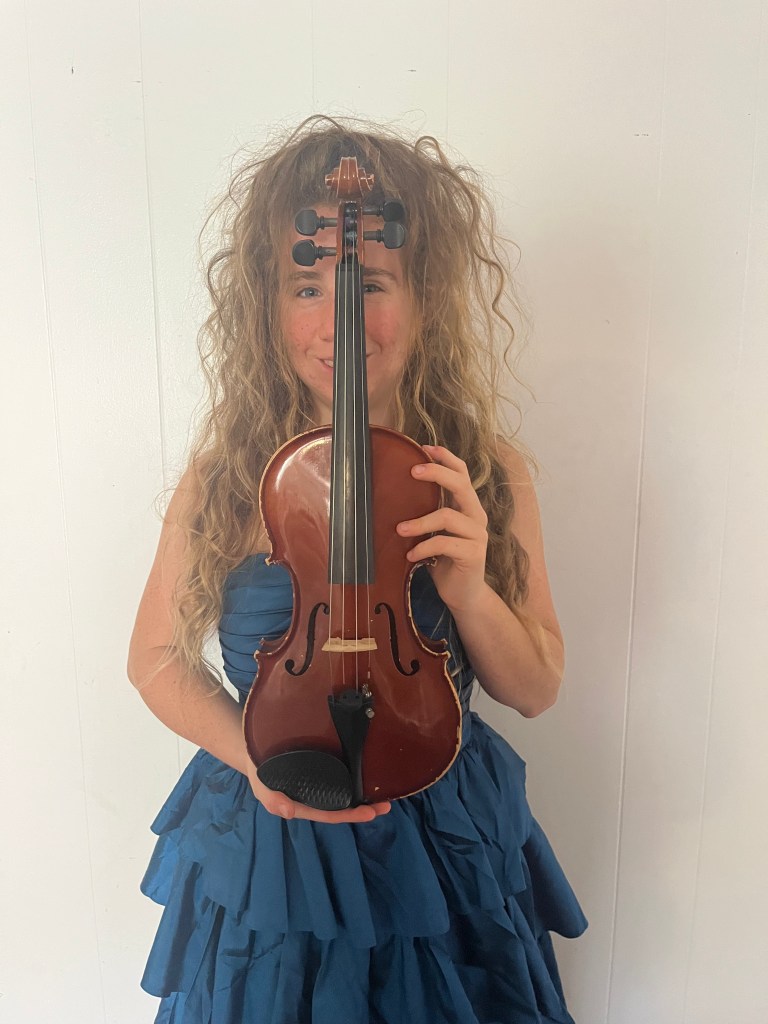
Before you can play, you need to know your instrument. Each part of the violin has a purpose in sound and technique.
- Scroll: The decorative top—classic and symbolic.
- Pegs: Used for tuning the strings.
- Fingerboard: The black strip where you press strings to create pitch.
- Bridge: Supports the strings and transfers their vibration to the violin body.
- Tailpiece: Anchors the strings at the bottom.
- Chinrest: Rest your chin here for comfort and stability.
- Fine Tuners: Make small pitch adjustments—especially on the E string.
🎻 Pro Tip: Always check that the bridge stands straight and the pegs are secure before tuning or playing.
🎶 2. Strings & Standard Tuning
Every violin has four strings, tuned in perfect fifths:
| String | Note | Description |
|---|---|---|
| G | G3 | Lowest pitch |
| D | D4 | Middle range |
| A | A4 | Bright and clear |
| E | E5 | Highest and most brilliant tone |
Tuning Tips:
- Use an electronic tuner, tuning fork, or piano as reference.
- Turn pegs for large pitch changes.
- Use fine tuners for small, precise adjustments.
🎧 SEO Note: Beginners often search “how to tune a violin with fine tuners”—so include that phrase in your YouTube or blog tags for traffic.
🎼 3. Finger Positions (First Position Chart)
In first position, each finger corresponds to a half or whole step on the string. Here’s your guide:
G String:
0 – G (open), 1 – A, 2 – B, 3 – C, 4 – D
D String:
0 – D (open), 1 – E, 2 – F♯, 3 – G, 4 – A
A String:
0 – A (open), 1 – B, 2 – C♯, 3 – D, 4 – E
E String:
0 – E (open), 1 – F♯, 2 – G♯, 3 – A, 4 – B
🎻 Visualization Tip: Draw a simple fingerboard chart—four lines (strings) and numbered dots for finger placement. Visual aids improve memory retention and finger accuracy.
🪶 4. Basic Bowing Techniques
Bowing defines your sound—smooth, crisp, or lively. Learn these five essential techniques early:
- Détaché: Separate, smooth bow strokes.
- Legato: Connected notes played in one bow direction.
- Staccato: Short, detached, energetic notes.
- Spiccato: Controlled bouncing of the bow off the string.
- Pizzicato: Pluck the strings with your fingers for a percussive sound.
🎵 Technique Tip: Keep your right wrist flexible and fingers curved for effortless bow control.
🎼 5. Common Music Symbols You’ll See
| Symbol | Meaning |
|---|---|
| ♯ / ♭ | Sharp / Flat |
| 𝅘𝅥 | Quarter note |
| 𝅘𝅥𝅮 | Eighth note |
| 𝅘𝅥𝅯 | Sixteenth note |
| f / mf / p | Loud / Medium / Soft dynamics |
| > | Accent (play with emphasis) |
Learning these symbols helps you read sheet music faster and understand musical phrasing.
🎻 6. Quick Reference Technique Tips
Left Hand:
- Keep your thumb opposite your 1st finger.
- Maintain a curved hand shape—no collapsing fingers!
- Avoid pressing too hard; let the bow and string do the work.
Right Hand (Bowing):
- Hold the bow with relaxed, curved fingers.
- Move from the forearm, not the shoulder.
- Use consistent bow pressure for even tone.
Posture & Alignment:
- Stand tall or sit straight with relaxed shoulders.
- Keep the violin parallel to the floor.
- Rest your chin lightly on the chinrest—don’t grip too tightly.
🎯 SEO Tip: Add tags like “violin posture tips,” “how to hold a violin bow,” and “violin finger chart first position” for YouTube optimization.
❤️ Final Thoughts
The violin may look intimidating, but with this Violin Cheat Sheet you’ll master the basics quickly. Focus on relaxed posture, clean tone, and consistent tuning.
Daily practice—just 15 to 20 minutes—can transform your confidence and tone. Pair this guide with Jacklyn Dougherty’s violin video tutorials to see real progress in weeks!
🎻 Much Love, Jacklyn Dougherty & Dr. Joni Dougherty, Ed.D
👉 Visit JacklynDougherty.com for complete violin and piano tutorials.
💬 Subscribe, Like, Comment & Share!
❓Question for You: Which violin string do you love practicing most—G, D, A, or E?
🎻 Violin Cheat Sheet
1. Violin Parts
- Scroll – Decorative top part.
- Pegs – Tuning the strings.
- Fingerboard – Where fingers press strings.
- Bridge – Supports strings, transfers vibration.
- Tailpiece – Anchors strings.
- Chinrest – Rest your chin.
- Fine Tuners – Small tuning adjustments.
2. Strings & Tuning
| String | Note | Standard Tuning (G D A E) |
| G | Lowest | G3 |
| D | D4 | |
| A | A4 | |
| E | Highest | E5 |
Tuning Tips:
- Use a tuner or piano for reference.
- Pegs for big adjustments, fine tuners for small tweaks.
3. Finger Positions (First Position)
- G String (lowest)
- 0 = open G
- 1 = A
- 2 = B
- 3 = C
- 4 = D
- 0 = open G
- D String
- 0 = open D
- 1 = E
- 2 = F#
- 3 = G
- 4 = A
- 0 = open D
- A String
- 0 = open A
- 1 = B
- 2 = C#
- 3 = D
- 4 = E
- 0 = open A
- E String
- 0 = open E
- 1 = F#
- 2 = G#
- 3 = A
- 4 = B
- 0 = open E
(Optional: Create a small diagram with numbers on lines for visual learners.)
4. Basic Bowing Techniques
- Detache – Smooth, separate bow strokes.
- Legato – Smooth, connected notes.
- Staccato – Short, detached notes.
- Spiccato – Bouncing bow.
- Pizzicato – Pluck strings with fingers.
5. Common Music Symbols
- ||: Repeat
- ♯ / ♭ – Sharp / Flat
- 𝅘𝅥 – Quarter note
- 𝅘𝅥𝅮 – Eighth note
- 𝅘𝅥𝅯 – Sixteenth note
- f / mf / p – Forte / Mezzo Forte / Piano
- > – Accent
6. Quick Reference Tips
- Left Hand
- Thumb opposite 1st finger.
- Keep wrist relaxed.
- Thumb opposite 1st finger.
- Right Hand (Bow)
- Hold with relaxed fingers.
- Use forearm for smooth bowing.
- Hold with relaxed fingers.
- Posture
- Straight back, shoulders relaxed.
- Chin on chinrest, violin parallel to floor.
- Straight back, shoulders relaxed.
- Violin blog violin cheat sheet, violin parts, violin tuning, violin finger positions, violin for beginners, violin bowing techniques, learn violin fast, violin notes chart, Jacklyn Dougherty violin lessons, beginner violin guide