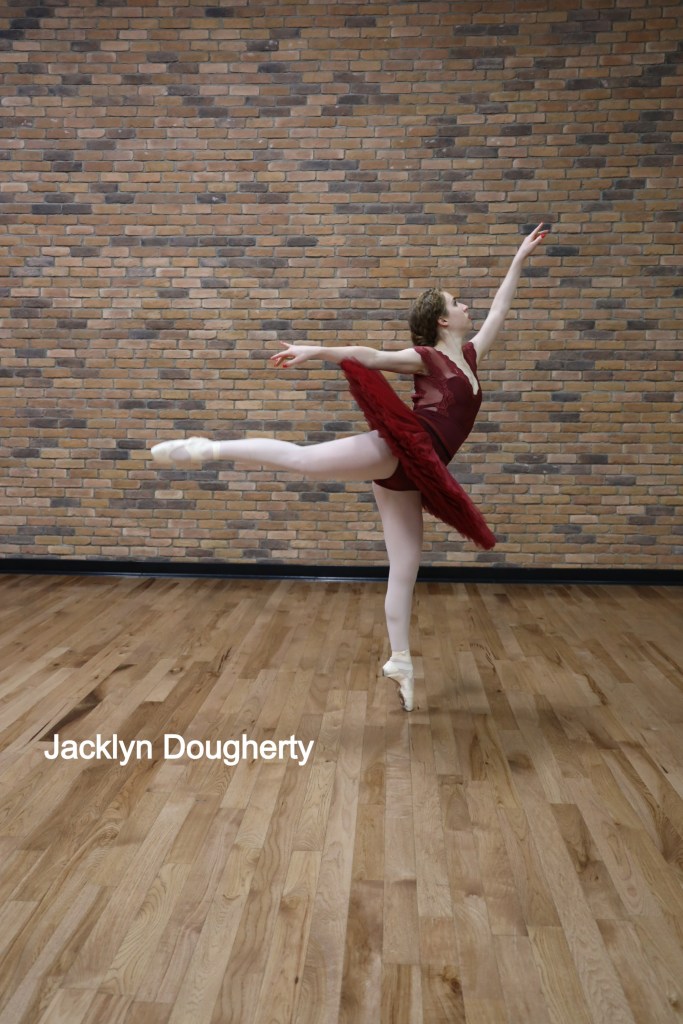
Learn ballet online with Jacklyn Dougherty and Joni Dougherty
Reverence Bow Cecchetti Ballet grade 2 syllabus course online

Combination
Bow
Step to the right
Close in 1st
Bow the head
Lift the head
Repeat to the other side
For more ballet visit Jacklyn Dougherty
The complete Guide to learn the Cecchetti Ballet Click here on Jacklyn Dougherty
Much Love
Jacklyn Dougherty and Joni Dougherty
The Importance of Reverence: Curtsey and Bow in Cecchetti Ballet Grade 2
In classical ballet, every movement, posture, and gesture carries purpose. While pirouettes, jetés, and adagios often take the spotlight, there is one essential part of every ballet class that embodies respect, tradition, and grace: the reverence. In Cecchetti Ballet, particularly at the Grade 2 level, the reverence — performed as a curtsey or bow — marks the formal conclusion of a lesson. Thanks to the online teachings of Jacklyn Dougherty, students now have access to clear, structured instruction for mastering this important ballet ritual.
What Is a Reverence?
A reverence, derived from the French word for “respect,” is more than just a curtsey or bow. It is a symbolic gesture of gratitude — toward your teacher, fellow students, and the art of ballet itself. Historically, the reverence originated in courtly dances as a formal acknowledgment of authority or audience presence. In today’s ballet studios, it continues this tradition of respect, while also providing students with an opportunity to practice poise, balance, and controlled movements at the end of class.
In practice, male dancers traditionally perform a bow, while female dancers perform a curtsey. Both movements require attention to posture, coordination, and elegance. Even the positioning of the arms, head, and feet is essential to executing a reverence that is both graceful and precise.
Reverence in the Cecchetti Grade 2 Syllabus
The Cecchetti method is a structured, progressive approach to ballet training, emphasizing both technical skill and artistic expression. At Grade 2, students are building on their foundational skills, refining their turnout, balance, and coordination. The reverence is introduced not as a mere formality, but as a crucial part of this development.
In the Grade 2 syllabus, students are expected to perform a curtsey or bow with correct alignment, fluidity, and elegance. The movement is often accompanied by soft music, allowing dancers to feel the rhythm and finish class with grace. This practice helps students cultivate discipline, awareness, and an appreciation for ballet etiquette — qualities that go far beyond physical technique.
Jacklyn Dougherty’s online Grade 2 course carefully guides students through this process. She provides step-by-step demonstrations, showing how to combine arm positions, foot placement, and body carriage to execute a reverence that is polished and confident. Her instruction emphasizes that the reverence is not just an exercise, but a meaningful conclusion to every ballet lesson.
Why Reverence Matters
At first glance, a bow or curtsey may seem like a small detail, but its significance is profound. The reverence teaches dancers humility and gratitude — important character traits both in and out of the studio. It is a moment to pause, reflect on the work accomplished during class, and acknowledge the guidance of the teacher.
Additionally, the reverence helps students integrate what they’ve learned in class. Balance, posture, and coordination are practiced one final time, reinforcing muscle memory and control. It is a graceful reminder that ballet is not only about performing steps but embodying artistry and discipline in every movement.
Performing a reverence also instills confidence. By concluding class with elegance and precision, dancers learn to carry themselves with dignity, both on stage and in daily life. It becomes a moment of pride, a personal acknowledgment of the effort put into each class.
Learning Reverence Online with Jacklyn Dougherty
Online ballet instruction has opened doors for students who may not have access to in-person classes. Jacklyn Dougherty’s online Grade 2 Cecchetti course offers comprehensive lessons, including the often-overlooked but essential skill of reverence. Her teaching breaks down every step, allowing students to practice at their own pace while ensuring proper technique.
What sets Dougherty’s instruction apart is her holistic approach. She not only focuses on physical execution but also explains the cultural and artistic significance of the reverence. This helps students understand that ballet is as much about tradition, respect, and artistry as it is about jumps and turns.
Through her online platform, dancers anywhere in the world can access clear demonstrations, detailed instructions, and guidance on how to perform the Grade 2 reverence with confidence and elegance. This accessibility ensures that every student can experience the full scope of Cecchetti Ballet, including its rich traditions and etiquette.
The Reverence as a Life Lesson
Ballet is often called a discipline, and rightfully so. Beyond physical strength and flexibility, it teaches focus, patience, and self-respect. The reverence is a perfect example of how ballet integrates life lessons into movement. By performing a curtsey or bow with intention and mindfulness, students practice gratitude, humility, and the art of finishing well — lessons that extend far beyond the studio.
Jacklyn Dougherty’s guidance ensures that students not only master the technical aspects of the Grade 2 syllabus but also embrace the full meaning of ballet tradition. By learning the reverence online, students carry forward a centuries-old practice that links them to generations of dancers, reinforcing the elegance and respect that ballet embodies.
Conclusion
The reverence — whether a curtsey or a bow — is a small but significant part of every Cecchetti Grade 2 ballet class. It is a gesture that symbolizes respect, gratitude, and discipline, providing a graceful closure to the day’s training. Jacklyn Dougherty’s online Grade 2 course ensures that every student can master this essential ritual, combining technical instruction with an understanding of its historical and artistic importance.
In the end, the reverence is more than a movement; it is a reminder that ballet is an art form that values not just strength and skill, but poise, humility, and respect. For every student, learning to perform a proper curtsey or bow is a step toward becoming not only a skilled dancer but a graceful artist.