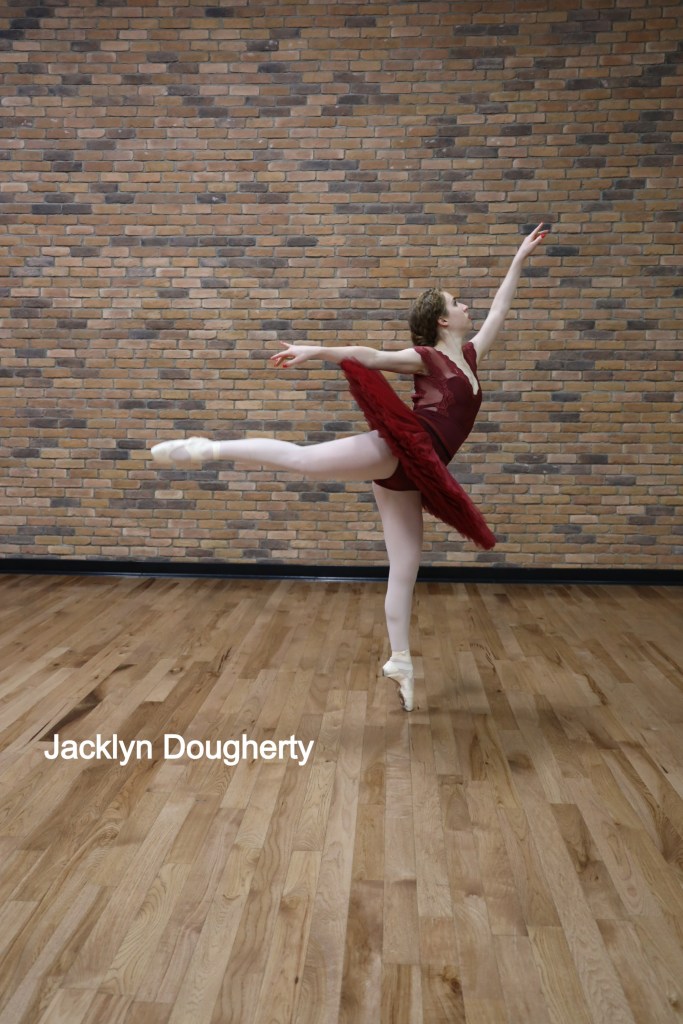
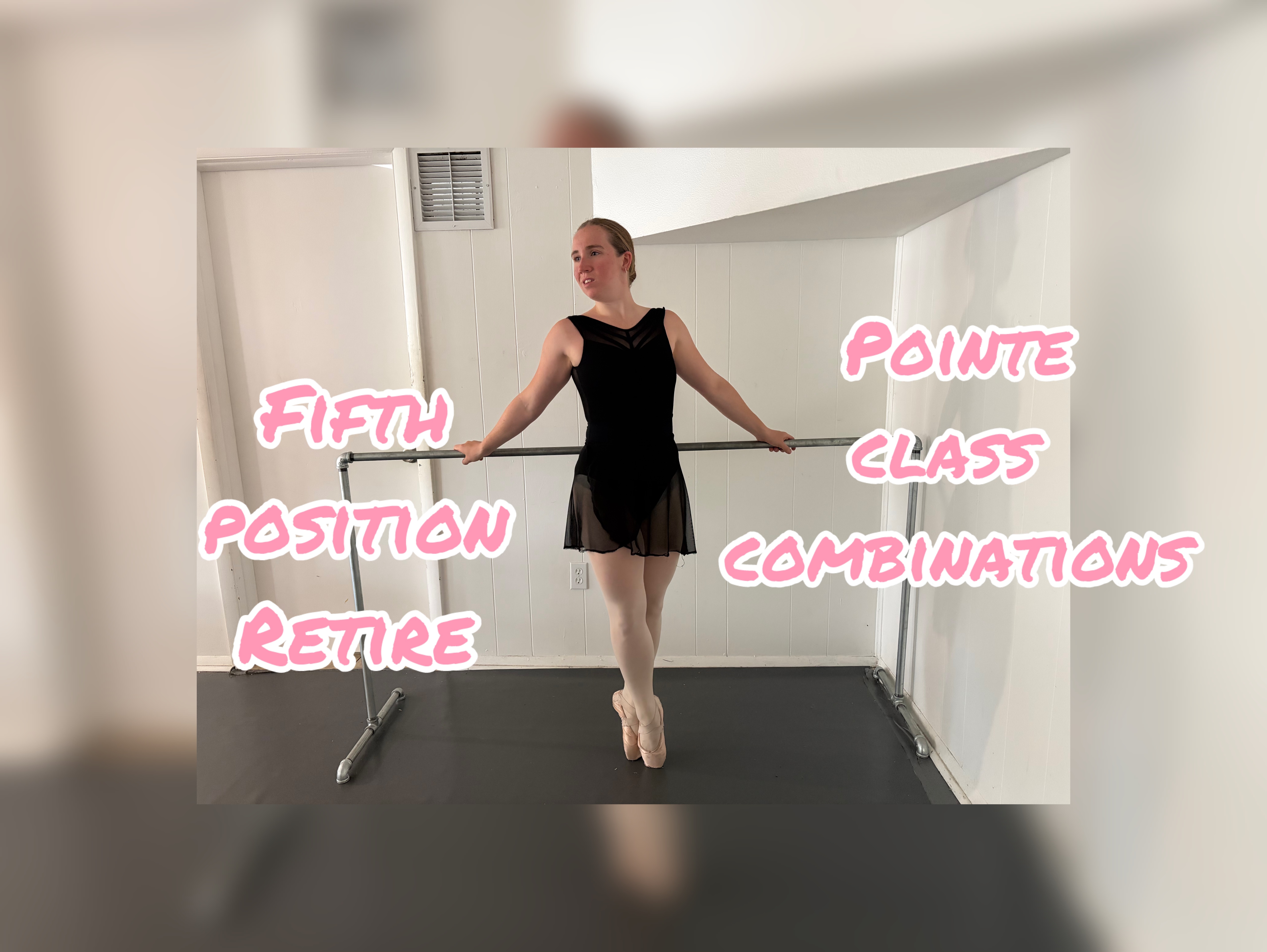
Retiré Sauté Passé En Arrière is a classical ballet jump frequently taught in petit allegro to develop control, coordination, and refined placement of the working leg. Although the jump is small, it demands strong turnout, a stable center, and a lifted, vertical quality. Mastering this step helps dancers build clean classical technique that carries into more advanced allegro work.
Understanding the Terminology
- Retiré means “withdrawn,” referring to the working foot drawing up to the knee
- Sauté means “jumped”
- Passé describes the action of the foot passing through
- En arrière means “to the back”
Together, Retiré Sauté Passé En Arrière describes a jump in which the dancer springs upward while the working foot passes through and lifts to retiré behind, with the toe touching just below the back of the supporting knee.
Starting Position
This step is most often executed from fifth position. Begin with equal weight on both feet, strong turnout from the hips, and a lengthened spine. The pelvis remains neutral, the core gently engaged, and the shoulders relaxed. Arms are commonly placed in preparatory, first, or fifth position, depending on the class or syllabus.
A clean, organized starting position sets the foundation for a balanced jump and a controlled landing.
Demi-Plié and Takeoff
The movement begins with a smooth demi-plié. Keep the heels fully grounded as the knees bend directly over the toes. The plié should feel elastic and buoyant rather than heavy or forced.
From the plié, push evenly through the floor, extending both legs to leave the ground. Think of pressing the floor down to lift the body straight up. Even though the working leg moves backward, the jump itself remains vertical, with no shift behind the supporting foot.
The Passé En Arrière in the Air
As the dancer rises into the air, the working foot passes through and draws up to retiré en arrière. The toe lightly touches just below the back of the supporting knee, with the knee turned out from the hip. The foot remains pointed but relaxed, avoiding tension in the ankle.
The supporting leg is fully stretched in the air, with a lengthened ankle and pointed toes. The torso stays upright and centered, resisting the temptation to lean forward. Arms remain calm and controlled, assisting balance without unnecessary movement.
Landing and Finish
Landing is a vital part of Retiré Sauté Passé En Arrière. The dancer returns to the floor softly through the toes, rolling through the foot into demi-plié. Turnout is maintained, and the heels lower with control. Most combinations finish back in fifth position, ready to continue seamlessly into the next step.
A quiet, cushioned landing preserves musicality and protects the joints.
Key Technique Tips
Much Love
Jacklyn Dougherty and Dr. Joni Dougherty Ed.D