The Wrist: Small Joint, Big Job
The wrist is one of the most overlooked parts of the body, yet it plays a huge role in everyday movement, music, dance, sports, and strength work. Made up of multiple small bones, ligaments, tendons, and nerves, the wrist is designed for mobility and precision, not just strength.
Why the Wrist Is So Important
Your wrists allow you to:
- Write, type, and use tools
- Play instruments like piano, violin, and viola
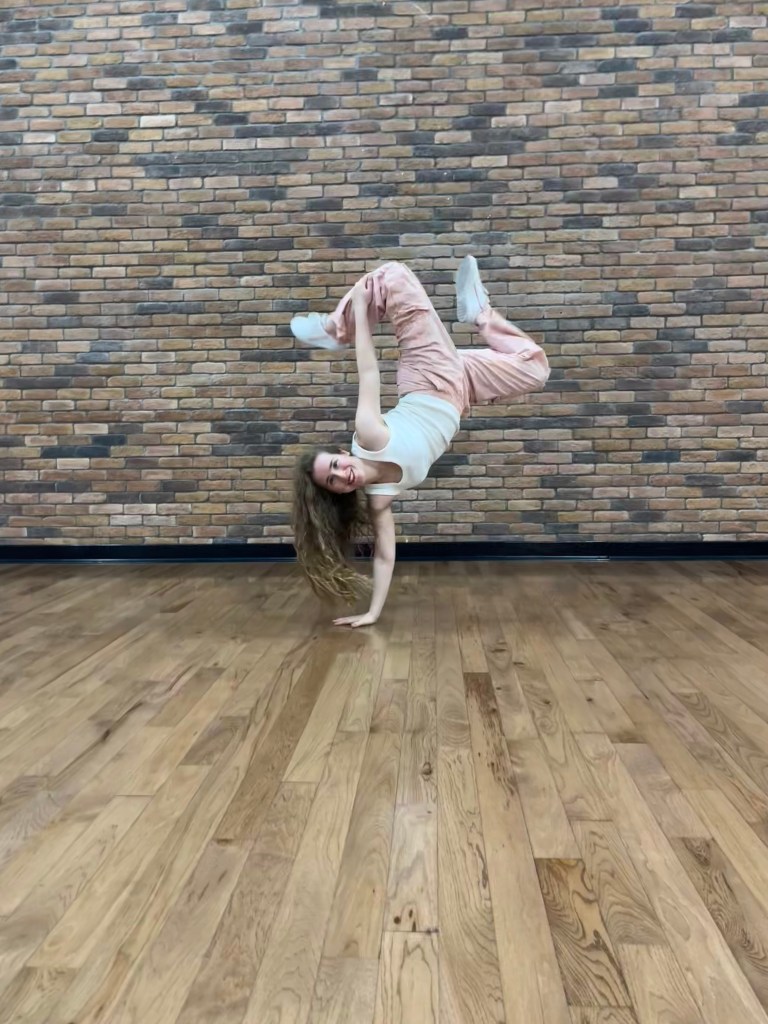
- Support weight in movements like planks, handstands, and headstands
- Control fine motor skills with accuracy and speed
Because the wrist connects the forearm to the hand, any limitation or injury can affect the entire arm.
Common Wrist Problems
Due to frequent use and poor alignment, wrists are prone to:
- Overuse strain
- Tendinitis
- Carpal tunnel syndrome
- Sprains from falls or weight-bearing positions
In dancers, yogis, gymnasts, and musicians, wrist pain often comes from repetition without proper conditioning.
Wrist Care and Strength
Healthy wrists need a balance of flexibility and strength. Helpful habits include:
- Gentle wrist circles and stretches
- Strengthening exercises like light resistance work
- Proper alignment during weight-bearing activities
- Taking breaks during repetitive tasks
Ignoring wrist discomfort can turn a small issue into a long-term problem, so early care matters.
Final Thoughts
Though small, the wrist carries a big responsibility. Treating it with care, awareness, and respect helps prevent injury and keeps movement fluid, strong, and pain-free.
Strong wrists support strong movement — in art, athletics, and everyday life.

Much Love
Jacklyn Dougherty