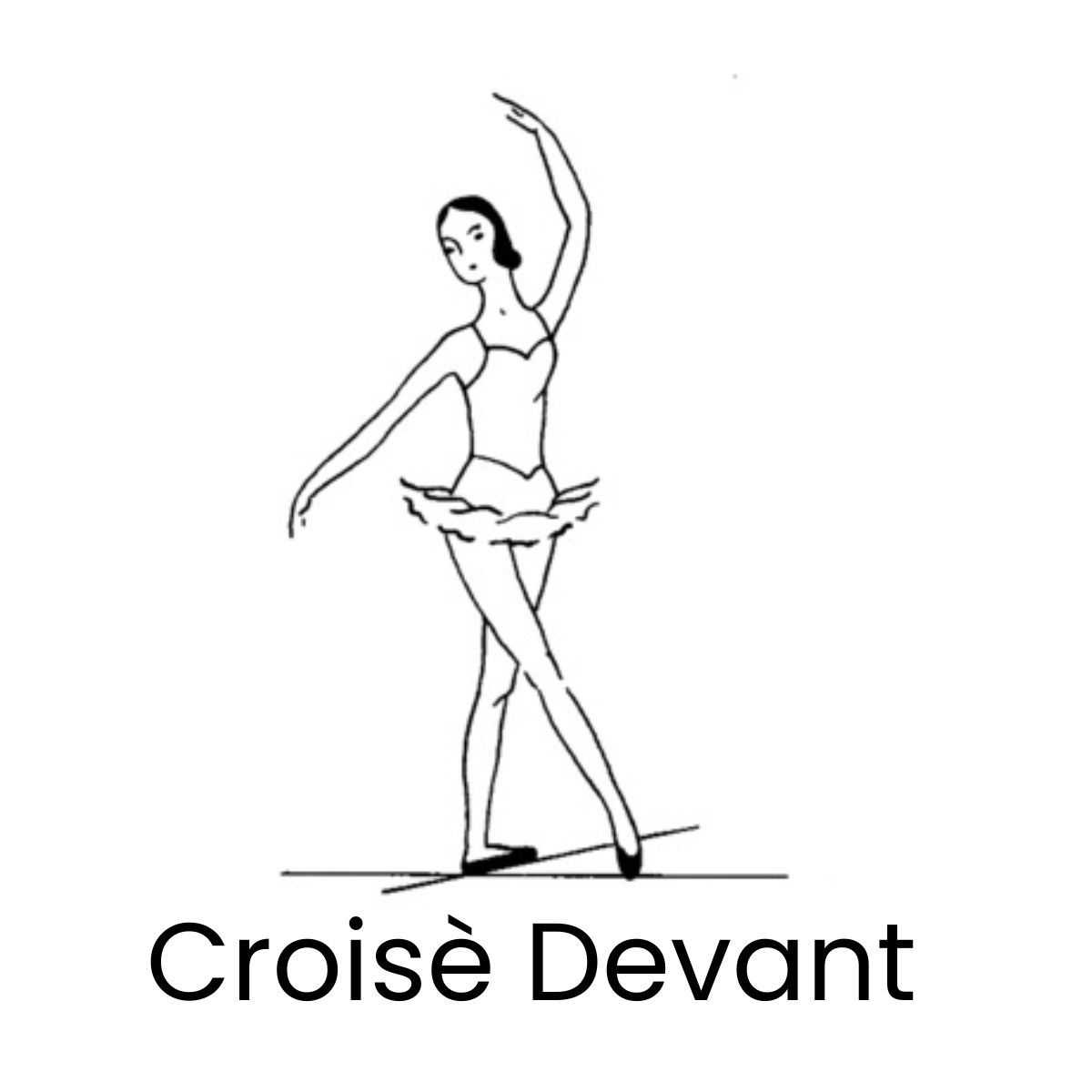
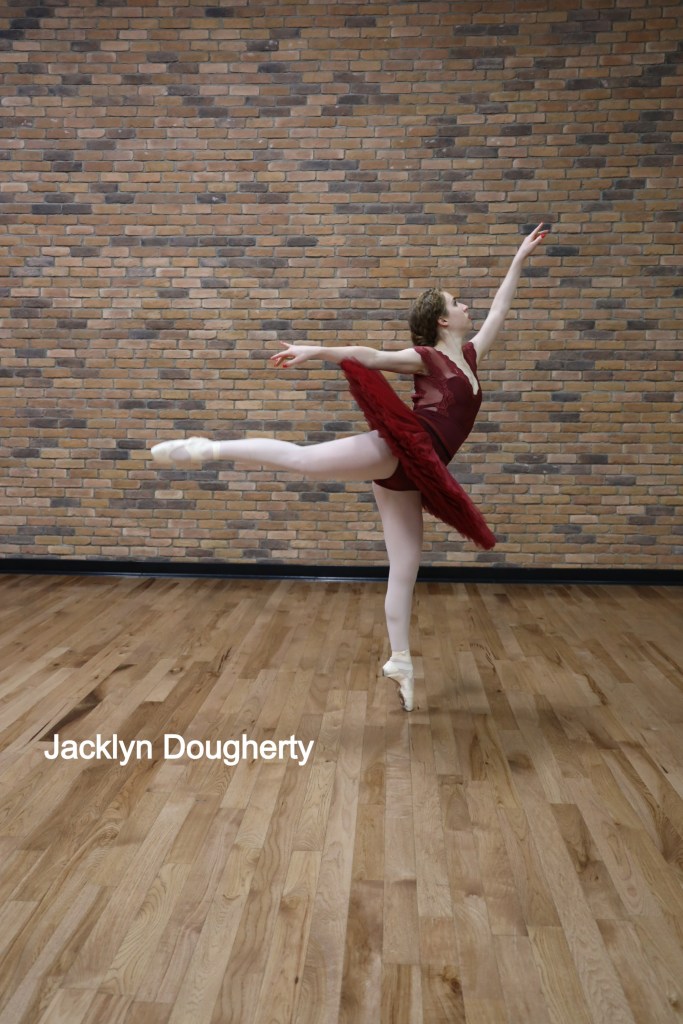
Easy Ballet Video Directions of Movement of the Leg Derriere
🩰 Easy Ballet Video: Directions of Movement of the Leg Derrière
Welcome to another Easy Ballet Video Tutorial with Jacklyn Dougherty, French and Cecchetti-trained ballet instructor. In this lesson, Jacklyn teaches the essential movement known as Directions of Movement of the Leg Derrière, meaning “to the back.”
This classical ballet direction is one of the foundational elements of dance technique, helping dancers strengthen the back of the legs, glutes, and core while developing beautiful posture and balance. Whether you’re a beginner learning barre exercises or an intermediate dancer refining alignment, mastering derrière is key to improving turnout, fluidity, and control.
In the Cecchetti method, the direction derrière is practiced in nearly every exercise — from battement tendu derrière to arabesque, and from rond de jambe en l’air to grand battement. Each of these movements reflects the grace, discipline, and balance that define the art of ballet.
🌟 Understanding “Derrière” in Ballet
The French term derrière translates to “behind” or “to the back.” In ballet, it describes any movement of the working leg extending backward from the body. The direction may be performed with the toe touching the floor (à terre) or lifted into the air (en l’air), depending on the level of difficulty.
Movements derrière help build strength and control while teaching dancers to maintain a lifted, elongated posture. This direction is essential for creating classical lines and developing a dancer’s sense of poise and projection.
In Cecchetti ballet training, the dancer learns to move the leg derrière without losing turnout, balance, or the correct position of the hips. The pelvis must remain neutral — not tilted — while the energy flows through the extended leg to create a long, clean line from hip to toe.
💫 How to Do Directions of Movement of the Leg Derrière
- Begin in first position, standing tall at the barre with the spine straight and core engaged.
- Lightly rest one hand on the barre while the opposite arm opens to second position.
- Shift your weight onto your supporting leg, maintaining full turnout from the hips.
- Extend the working leg backward (derrière), brushing the foot along the floor through demi-pointe to a fully pointed toe.
- Keep the knee straight and ensure both hips remain square to the front — avoid twisting or arching the lower back.
- As the leg extends, engage your glutes and hamstrings, lifting gently from underneath rather than forcing from the lower back.
- Hold the position briefly, maintaining length and balance through the body.
- Return smoothly to first position with control, feeling the muscles work evenly through both legs.
- Repeat the movement on both sides, alternating the working leg to ensure balance and symmetry.
Advanced Variation:
Once comfortable, lift the working leg en l’air to 45° or 90°, keeping the torso lifted and the shoulders level. Add port de bras to enhance upper-body coordination and artistry.
Key Tip:
Always focus on quality over height. The true beauty of derrière lies in the smooth coordination of turnout, posture, and grace — not just how high the leg lifts.
🌷 Why Practicing “Derrière” Is Essential for Ballet Training
Practicing derrière daily strengthens the posterior chain muscles — including the glutes, hamstrings, and lower back — which are vital for maintaining turnout, balance, and alignment. This direction enhances your ability to perform movements like arabesque, attitude derrière, and grand battement, all of which rely on controlled backward extension.
Benefits of Derrière Work in Ballet:
- Improves turnout and hip flexibility.
- Develops core and leg strength for stability and balance.
- Refines posture, teaching dancers to lift upward through the chest.
- Builds coordination between upper and lower body movements.
- Prepares for advanced techniques like arabesque, adage, and penché.
In Cecchetti ballet, mastering the direction of movement derrière reflects precision, strength, and artistry. Dancers are taught to combine technical excellence with musicality and breath — allowing each extension to flow naturally and beautifully.
Through consistent practice, this movement transforms both the physical and artistic side of dance. It trains the dancer to maintain elegant control, project presence to the audience, and embody the discipline of classical ballet.
✨ Watch the full Easy Ballet Video: Directions of Movement of the Leg Derrière with Jacklyn Dougherty to follow her guided demonstration and refine your classical form.
Visit JacklynDougherty.com for more ballet tutorials, Cecchetti syllabus lessons, and the complete Ballet Dictionary series.
❤️ Much love,
Jacklyn Dougherty & Dr. Joni Dougherty, Ed.D.
#ballet #ballettutorial #derriere #jacklyndougherty #balletinseconds #cecchettiballet #howtoballet #ballettraining #ballettechnique #balletexercises #balletlessons #balletdictionary