Cecchetti Rond de Jambe a terre 8 En Dehors 7 En Dedans with beautiful finish
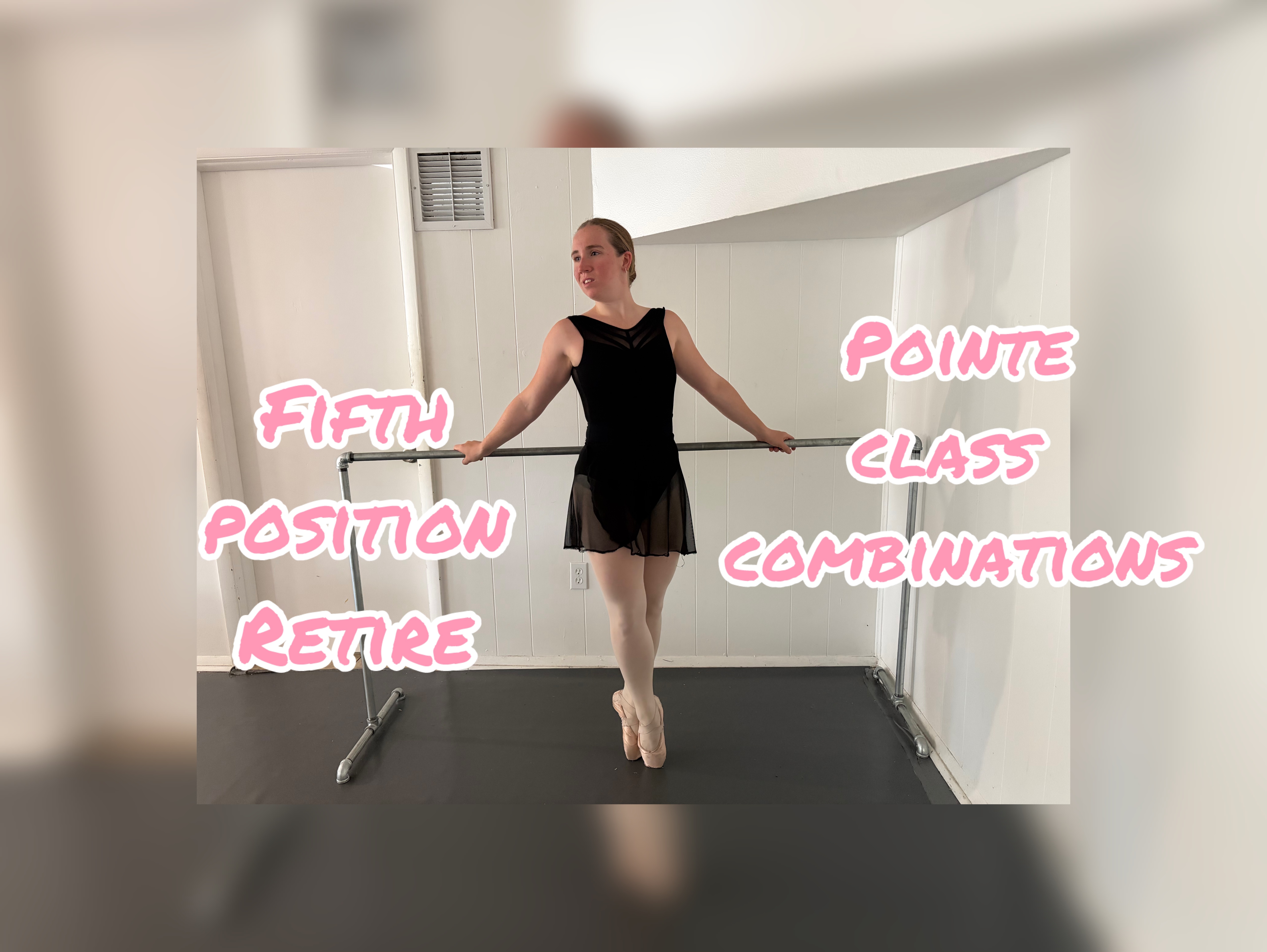
Cecchetti Rond de Jambe à Terre — 8 En Dehors, 7 En Dedans with a Beautiful Finish | Cecchetti Technique Diploma Training
Rond de Jambe à Terre is a foundational exercise in classical ballet, but in the Cecchetti Method, it becomes a powerful technical study that develops placement, turnout, balance, and quality of movement. In this Cecchetti-inspired combination, we work 8 rond de jambe en dehors followed by 7 rond de jambe en dedans, completing the sequence with a long, elegant, beautifully lifted finish—exactly the type of polish expected in Cecchetti Diploma and advanced exam levels.
Rond de jambe à terre literally means “circle of the leg on the ground.” Though the gesture leg brushes close to the floor, the whole body is active: the hips rotate deep within the turnout muscles, the standing leg stabilizes, the spine lifts upward, and the port de bras flows with smooth coordination. In Cecchetti training, nothing is done halfway—the movement must be deliberate, clean, and anatomically correct.
Why This Exercise Matters for Cecchetti Diploma Students
Cecchetti exams value clarity, placement, and continuity. The rond de jambe à terre combination strengthens all three.
- En dehors, the leg travels from the front to the back, encouraging outward rotation and a long, sweeping line.
- En dedans, the pathway reverses, challenging the dancer to maintain turnout while rotating inward without shifting the pelvis or collapsing the torso.
- The beautiful finish is more than a pose—it proves the dancer has control, breath, and artistry from start to end.
For diploma-level candidates, the finish is a moment of presentation: lifted chest, lengthened arms, energized supporting leg, and a calm, confident head position that shows both precision and poise.
Key Cecchetti Principles for This Combination
- Square Hips and Lifted Spine
Cecchetti emphasizes an elongated spine and quiet pelvis. Even as the leg circles through devant, à la seconde, and derrière, the hips must remain still. Imagine anchoring the supporting side into the floor while lifting the upper body toward the ceiling. - Turnout from the Hips
True Cecchetti turnout originates deep in the rotator muscles, not from twisting the feet. During the 8 en dehors, feel the outward spiral growing stronger; during the 7 en dedans, keep that spiral active even as the leg rotates inward. - Port de Bras Coordination
Arms move with intention—never decorative, always functional. The Cecchetti port de bras supports balance, enhances épaulement, and creates harmony from head to toe. - Musicality and Breath
In Cecchetti training, every rond de jambe must be even, smooth, and connected to breath. Avoid cutting corners; let the circle stretch fully through each quadrant of the movement.
A Finish That Reflects Mastery
After completing the 8 en dehors and 7 en dedans, hold a refined, exam-ready finish. The supporting leg should be fully turned out, the spine tall, the chest open, and the arms shaped with elegance and control. This final moment demonstrates your discipline, technique, and artistry—everything the Cecchetti syllabus aims to cultivate.
Whether you are preparing for a Cecchetti Diploma, advancing through exam levels, or strengthening your classical foundation, this rond de jambe study will deepen your turnout, refine your lines, and elevate your overall technique.
Train consistently, move with intention, and let your finish shine with true Cecchetti beauty.