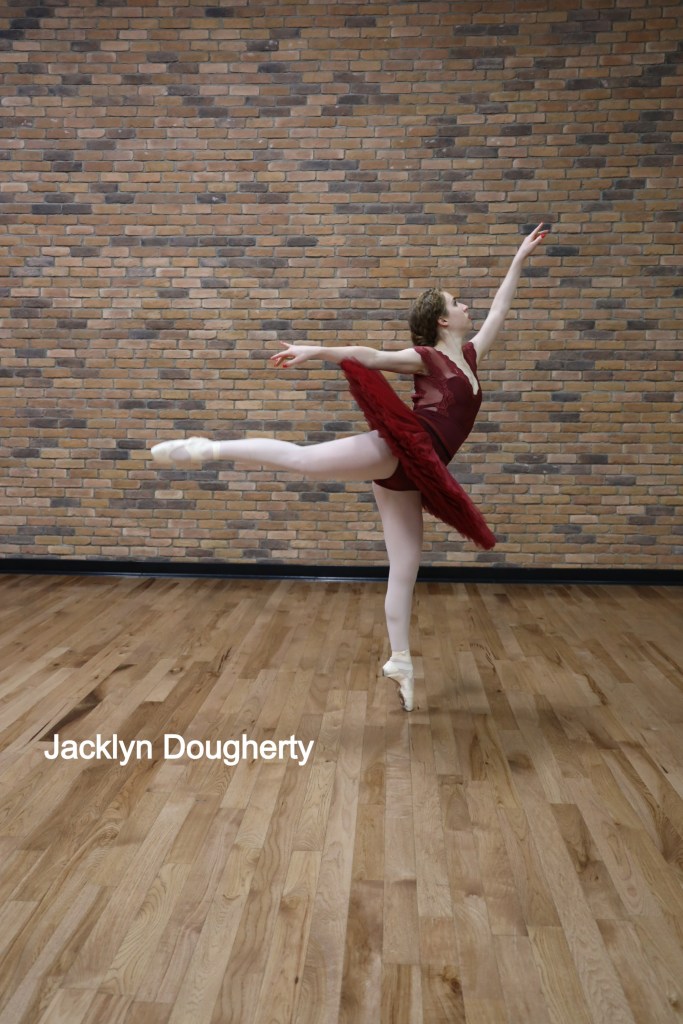
Brisé (Bree-ZAY): A Dynamic Beaten Jump in Ballet
The brisé (pronounced bree-ZAY) is a sharp, beaten jump in classical ballet known for its speed, clarity, and precision. Unlike soft, floating jumps, the brisé is crisp and energetic, often traveling sideways with a strong sense of attack. It is commonly performed by male dancers but is an important step for all ballet students learning petit allegro and advanced footwork.
What Is a Brisé?
The word brisé comes from the French term meaning “broken,” which describes the quick beating action of the legs in the air. A brisé is a traveling jump that includes a batterie (a beat of the legs) and lands cleanly, usually in fifth position. The movement is fast and exact, requiring strong calves, precise timing, and excellent coordination.
Starting Position
Begin in fifth position, right foot front. Stand tall with the torso lifted and the core engaged. Arms are typically held in a classical preparatory position or coordinated with the jump depending on the choreography.
How to Do a Brisé (Step-by-Step)
- Plié for Power
Start with a controlled plié in fifth position. Keep the knees tracking over the toes and the heels grounded. This plié provides the strength and spring needed for the jump. - Brush and Push Off
The front foot brushes sharply out to the side (or forward, depending on the brisé), pushing off the floor. The supporting leg drives the jump upward and outward. - Beat the Legs in the Air
As the dancer leaves the floor, the legs beat quickly together in the air. This beaten action is the defining feature of the brisé and must be fast, clean, and well-timed. - Travel and Land
The brisé travels slightly, usually sideways. Land quietly and precisely, often returning to fifth position with the opposite foot front. The landing should be controlled and silent. - Finish with Control
Absorb the landing through a plié, maintaining alignment and readiness for the next step.
Technique Tips for a Strong Brisé
- Speed over height: A brisé is about sharpness, not jumping high.
- Clean batterie: The beat should be crisp and audible without being forced.
- Strong plié: A deep, controlled plié improves power and safety.
- Upper body stillness: Keep the torso quiet to highlight the legs’ precision.
Common Mistakes to Avoid
- Jumping too high instead of focusing on the beat
- Late or sloppy batterie
- No travel, resulting in a vertical jump instead of a brisé
- Loud or heavy landings
Why Brisé Is Important in Ballet
Brisé strengthens calves, ankles, and feet, while improving speed, musicality, and coordination. It is frequently used in allegro combinations and classical variations to showcase virtuosity and control. When performed well, a brisé looks effortless yet powerful—a true demonstration of refined ballet technique.
With consistent practice, the brisé becomes a brilliant, precise jump that adds energy and brilliance to any dancer’s repertoire.
Much Love
Jacklyn Dougherty and Dr. Joni Dougherty