Bourrée (Boor-RAY): How to Do This Quick, Gliding Ballet Step
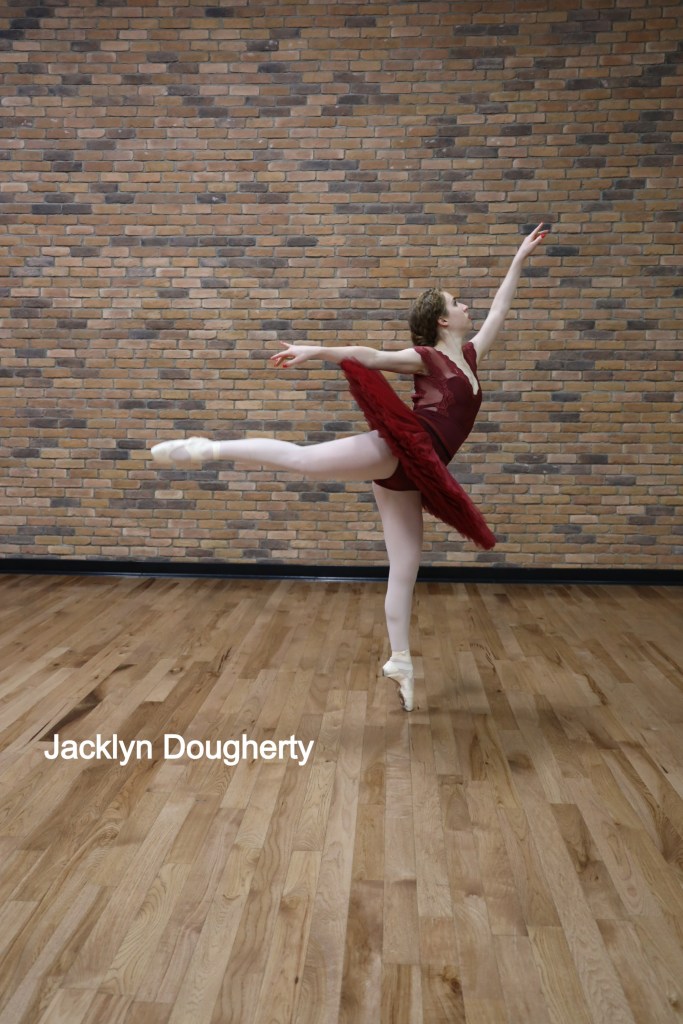
The bourrée (pronounced boor-RAY) is a fast, light traveling step in ballet that creates the illusion of floating across the floor. Often described as “tiny, quick steps,” the bourrée is most famously performed en pointe by female dancers, though it can also be practiced demi-pointe or flat by beginners and younger students. Mastering the bourrée requires control, coordination, and refined footwork rather than speed alone.
What Is a Bourrée?
A bourrée consists of a rapid series of very small steps, usually done in fifth position, with the feet moving so quickly that they appear to glide. The dancer stays lifted, quiet in the upper body, and seamless in movement. Bourrées are commonly used in classical variations to suggest elegance, mystery, or effortless travel.
Starting Position
Begin in fifth position, with the right foot front. Stand tall with the spine lengthened, shoulders relaxed, and arms softly held in a preparatory or classical position. Engage your core and feel lifted through the crown of the head.
How to Do a Bourrée (Step-by-Step)
- Rise to Demi-Pointe or Pointe
Press evenly through both feet and rise to demi-pointe (or pointe for advanced dancers). Keep the heels high and ankles strong. Weight should be centered—not leaning forward or back. - Begin the Small Steps
Take tiny, quick steps by alternately shifting the feet in fifth position. The feet stay close together, almost brushing the floor. Think of “right-left-right-left” in very fast succession. - Travel Smoothly
As the feet move, allow the body to travel forward, backward, or sideways. The steps should be nearly invisible, creating a smooth, gliding effect rather than a bouncy one. - Maintain Upper Body Control
Keep the torso calm and lifted. Avoid bobbing or swaying. Arms should move softly or remain held in position to enhance the illusion of floating. - Finish Gracefully
To end the bourrée, gently lower the heels with control or transition into another step, such as a pose, turn, or relevé.
Key Technique Tips
- Think “under the body.” The steps are tiny and directly beneath you.
- Lift, don’t rush. Speed comes from control, not tension.
- Quiet feet. There should be little to no sound on the floor.
- Strong core. This keeps the bourrée smooth and balanced.
Common Mistakes to Avoid
- Taking steps that are too large
- Allowing the hips to sway
- Dropping the heels between steps
- Leaning forward instead of staying centered
Why Bourrées Matter
Bourrées are essential for developing foot strength, ankle stability, balance, and musicality. They also teach dancers how to move efficiently while maintaining elegance and classical style. From romantic ballets to contemporary choreography, the bourrée remains a timeless and versatile step.
With consistent practice, the bourrée transforms from a technical exercise into a magical, floating moment on stage—one of ballet’s most enchanting illusions.