Battu (Bah-TEW)
Beaten.
In Cecchetti Ballet: Indicates jumps with beats
between the legs (e.g., entrechat quatre).

Think About: Sharp beats, clean rhythm.
Battu (Bah-TEW) Ballet: The Art of Beaten Steps
In classical ballet, the term Battu (bah-TEW) refers to a group of steps that feature a beating or crossing of the legs in the air. The word comes from the French battre, meaning “to beat,” and it perfectly describes the sharp, precise action that defines these movements. Battu steps add brilliance, speed, and virtuosity to ballet technique, often dazzling audiences with their clarity and musical timing.
What Does Battu Mean in Ballet?
In ballet terminology, battu is not a single step, but a descriptive term applied to many jumps and movements where the legs beat together in midair. Common examples include:
- Entrechat battu
- Assemblé battu
- Jeté battu
- Cabriole battu
- Échappé battu
In each case, the dancer must execute a clean, fast crossing or striking of the legs before landing, maintaining elevation and control throughout.
The Purpose of Battu Steps
Battu movements are designed to develop:
- Speed and precision of the legs
- Strong inner thighs and calves
- Coordination and timing
- Elevation and control in jumps
They challenge dancers to move quickly while remaining light, making battu steps a hallmark of advanced classical training.
How Battu Is Performed
Although battu steps vary, they share key technical principles:
- Strong plié for power and lift
- Quick, precise beats initiated from the upper thighs
- Fully stretched feet throughout the jump
- Quiet, controlled landing through plié
The beats must be sharp but not forced. True battu technique comes from clean mechanics and strength, not excessive effort.
Musicality and Clarity
Battu steps demand excellent musical timing. Each beat should match the rhythm of the music, appearing crisp and intentional rather than rushed. When danced well, battu looks effortless, even though it requires significant strength and speed.
Clear beats are far more impressive than multiple messy ones. Teachers often emphasize quality over quantity, especially for younger dancers.
Common Mistakes Dancers Make
Because battu steps are challenging, dancers often struggle with:
- Bent or sickled feet in the air
- Overusing the knees instead of the thighs
- Losing turnout during the beat
- Landing heavily or noisily
Maintaining turnout and articulation through the feet is essential to achieving clean, classical lines.
Why Battu Is Important in Ballet Training
Battu steps prepare dancers for advanced allegro and classical variations. They sharpen reflexes, strengthen the legs, and refine coordination. Battu technique is also essential for stylistic accuracy in classical repertoire, particularly in works that emphasize brilliance and precision.
Male variations frequently feature battu steps, but they are equally important for female dancers, especially in petit allegro combinations.
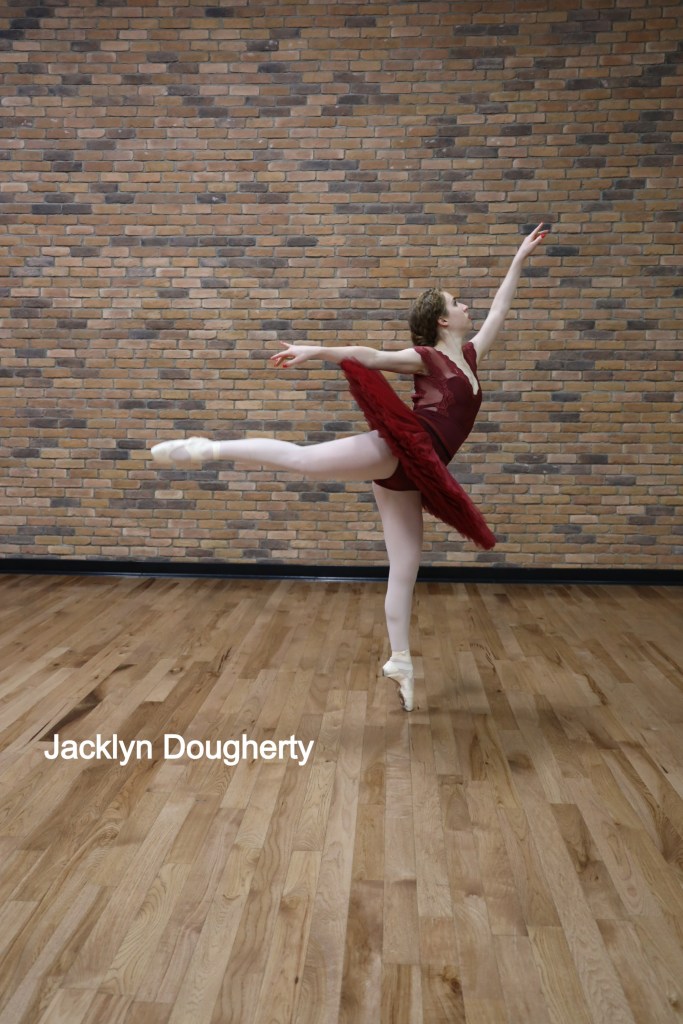
Learning Battu with Jacklyn Dougherty
Ballet educator Jacklyn Dougherty emphasizes clean technique, correct initiation, and musical clarity when teaching battu steps. Her instructional approach focuses on building strength gradually, ensuring dancers develop the speed and control needed for safe, effective beats.
For dancers and teachers seeking high-quality ballet education, be sure to explore Jacklyn Dougherty’s YouTube channel, where she offers clear explanations and demonstrations of classical ballet technique for all levels.
Final Thoughts
Battu steps bring sparkle and excitement to ballet, showcasing a dancer’s speed, precision, and technical control. Though challenging, they are deeply rewarding when mastered. With strong plié, clean beats, and careful attention to musicality, battu movements become a powerful expression of classical virtuosity.
Focus on clarity, stay light, and let your battu shine.
Much Love
Jacklyn Dougherty