How to ballet Allégro (Ah-LEH-groh)
Allégro (Ah-LEH-groh): The Joy of Elevation in Ballet
By Ballerina Jacklyn Dougherty and Dr. Joni Dougherty Ed.D
Visit JacklynDougherty.com for the complete guide to ballet.
The Spirit of Allégro
In ballet, Allégro (pronounced Ah-LEH-groh) embodies brightness, energy, and the joy of movement. The term comes from the Italian word meaning “cheerful” or “brisk,” and it describes the fast, lively steps that fill the stage with vitality. If Adage is the poetry of stillness, Allégro is the celebration of motion—where the dancer leaps, turns, and springs with precision and lightness.
Allégro reveals the dancer’s strength, coordination, and musicality. Every jump must appear effortless, as if the dancer is carried upward by the music itself. Beneath that illusion of ease lies deep discipline, power, and control.
Allégro in the Cecchetti Method
In the Cecchetti Ballet tradition, Allégro forms the exhilarating contrast to Adage. It is introduced only after students develop the foundational placement and strength necessary for quick, elevated movement. The Cecchetti system classifies Allégro into different types—petit allégro (small, quick jumps) and grand allégro (large, sweeping leaps)—each building toward artistry and endurance.
At the barre, dancers prepare for Allégro with strong pliés, precise footwork, and coordination drills that train the legs to respond instantly. In the centre, combinations grow more complex: jetés, assemblés, entrechats, and sissonnes combine in rhythmic patterns that test timing and clarity.
The Cecchetti emphasis on clean technique ensures that each jump originates from a grounded plié and finishes with a controlled landing. Every motion flows from the strength of the legs and the grace of the upper body, creating the impression of effortless flight.
The Power Behind the Flight
While Allégro appears light and spontaneous, it is built on technique, timing, and athletic precision. A dancer’s ability to soar depends on deep strength in the legs and core, the elasticity of the feet, and the coordination of breath with motion.
Each jump begins with a plié—absorbing and releasing energy like a spring. The dancer propels upward through the floor, not by brute force, but by the intelligent use of momentum and alignment. Arms and head complete the picture, creating lift and shaping the body in the air.
Equally important is the return to earth. The landing must be quiet, controlled, and fluid—proof that strength and artistry coexist in harmony. In Cecchetti training, this return is as significant as the jump itself, teaching dancers to honor both elevation and recovery.
Musicality and Joy
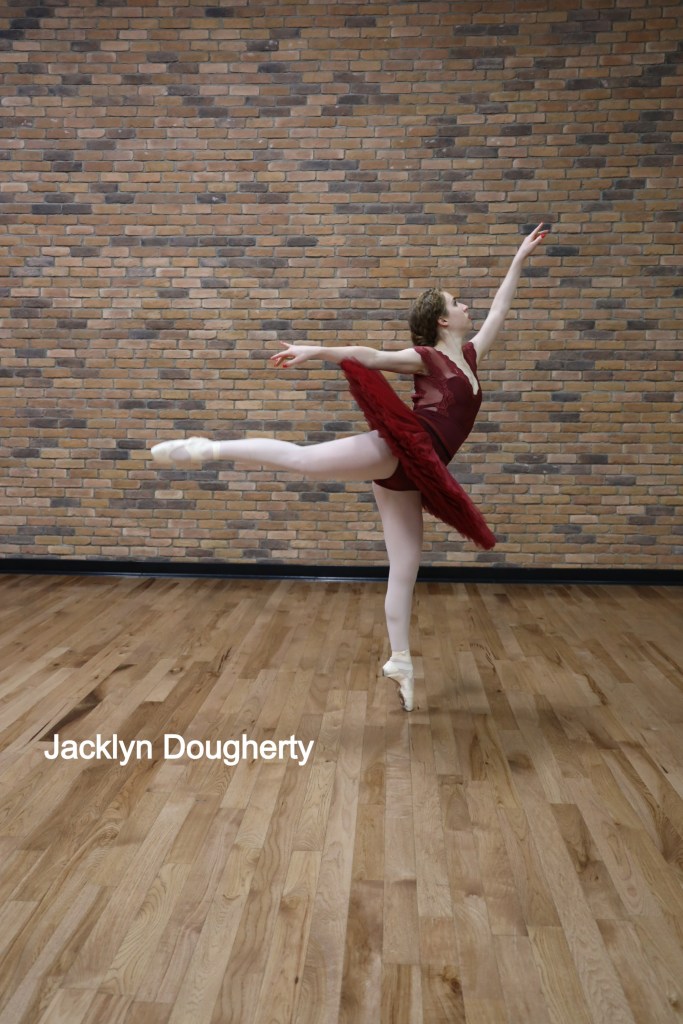
Allégro dances on the rhythm of the heart. It teaches musical sensitivity, quick thinking, and joyful response to melody and tempo. Whether performing a lighthearted petit allégro or a majestic grand jeté, the dancer must embody both precision and passion.
In performance, Allégro passages awaken the audience. They sparkle with emotion—triumph, excitement, exhilaration. Each leap tells a story of freedom, a defiance of gravity that mirrors the dancer’s spirit.
In the Cecchetti classroom, musical phrasing is inseparable from movement. Students learn to interpret accents, dynamics, and timing, turning steps into expression. Through Allégro, they discover that technique alone cannot create artistry—joy must guide the movement.
Allégro as Expression and Character
In classical repertoire, Allégro often defines a character’s personality. The sprightly Bluebird variation from The Sleeping Beauty bursts with buoyant petit allégro, while Don Quixote’s Basilio leaps with fiery bravado in grand jetés across the stage.
These moments capture the essence of ballet’s storytelling power—how rhythm, height, and timing can express emotion as vividly as words or song. Allégro becomes the dancer’s language of joy.
Think Tip
When practicing Allégro, think of the floor as your partner. Push into it with energy and respect—it will lift you in return. Keep the body buoyant, the breath continuous, and the heart alive in the rhythm.
Imagine every jump as a conversation with the music: light, free, and fearless. Smile through the movement, and let joy be the secret behind your elevation.
Final Thought
Allégro is the heartbeat of ballet—a radiant expression of joy, precision, and strength. In the Cecchetti tradition, it refines control while celebrating the dancer’s freedom to fly.
Much Love,
Jacklyn Dougherty and Dr. Joni Dougherty Ed.D
JacklynDougherty.com
“For every dancer and teacher who moves with purpose.”
Allégro (Ah-LEH-groh)
Quick, lively movement including jumps and beats.
In Cecchetti Ballet: Divided into petit allégro and grand allégro,
this develops speed, lightness, and timing.

Think About: Land like silk—quiet feet, alive energy.